
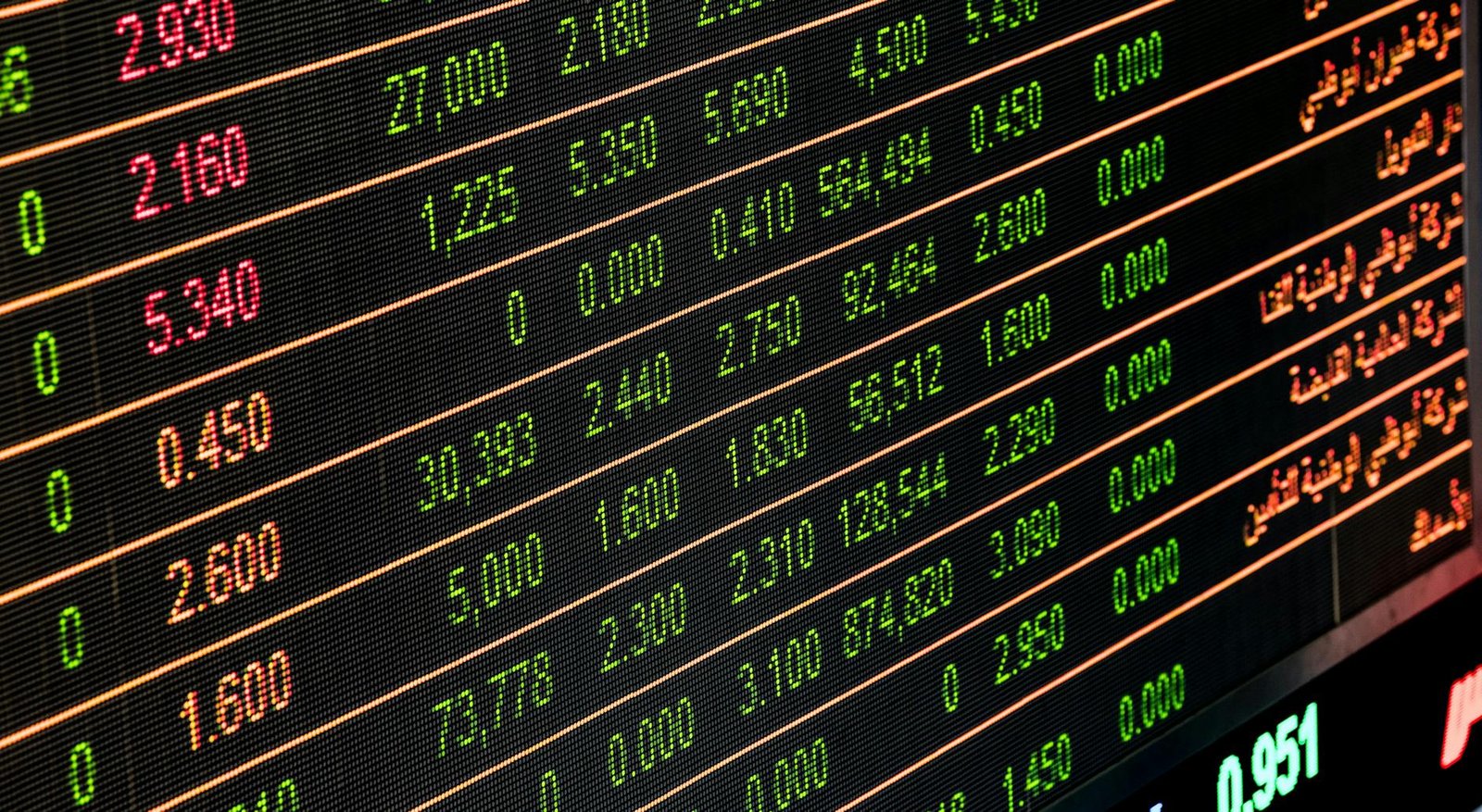
A fresh rise in bond yields, driven by renewed inflation concerns, has pushed stock markets lower after a strong recent run. The move is a reminder that higher borrowing costs can quickly cool appetite for equities.
U.S. stocks retreated from near-record levels in recent trading as bond yields climbed, reflecting investor worry that inflation may prove harder to tame than hoped. When yields rise, the cost of borrowing goes up across the economy — and that tends to make stocks look less attractive compared with the safer income that bonds now offer.
The yield on U.S. Treasury bonds moves inversely to their price. When investors sell bonds — often because they expect inflation to stay elevated or interest rates to remain high — yields go up. A sustained rise in yields can slow corporate investment, weigh on consumer spending, and squeeze company profit margins, all of which give stock investors reason to pause.
Inflation has remained a persistent challenge for the Federal Reserve. The central bank raised interest rates aggressively in recent years to bring prices under control, and while inflation has eased from its peaks, it has not fully returned to the Fed’s 2% target. Any sign that price pressures are rebuilding tends to push bond yields higher, as markets reprice their expectations for how long rates will stay elevated.
For stock markets, the relationship is straightforward: higher yields mean competition. A 10-year Treasury note yielding well above 4% offers meaningful, low-risk income. That makes the riskier returns from stocks less compelling, especially for shares that are priced for strong future growth. Technology and other growth-oriented sectors are typically the most sensitive to this dynamic.
The recent equity rally had lifted major indexes to or near all-time highs, buoyed by optimism about corporate earnings and expectations that the Fed might begin cutting rates later this year. A renewed climb in yields puts that narrative under pressure, since rate cuts become less likely if inflation data stays stubborn.
Markets are now watching closely for the next round of inflation data, as well as any signals from Fed officials about the path of interest rates. The interplay between inflation, yields, and stock prices is likely to remain the central tension for investors in the months ahead.
The next inflation reading and any Fed commentary will be key in determining whether this pullback deepens or stabilizes.