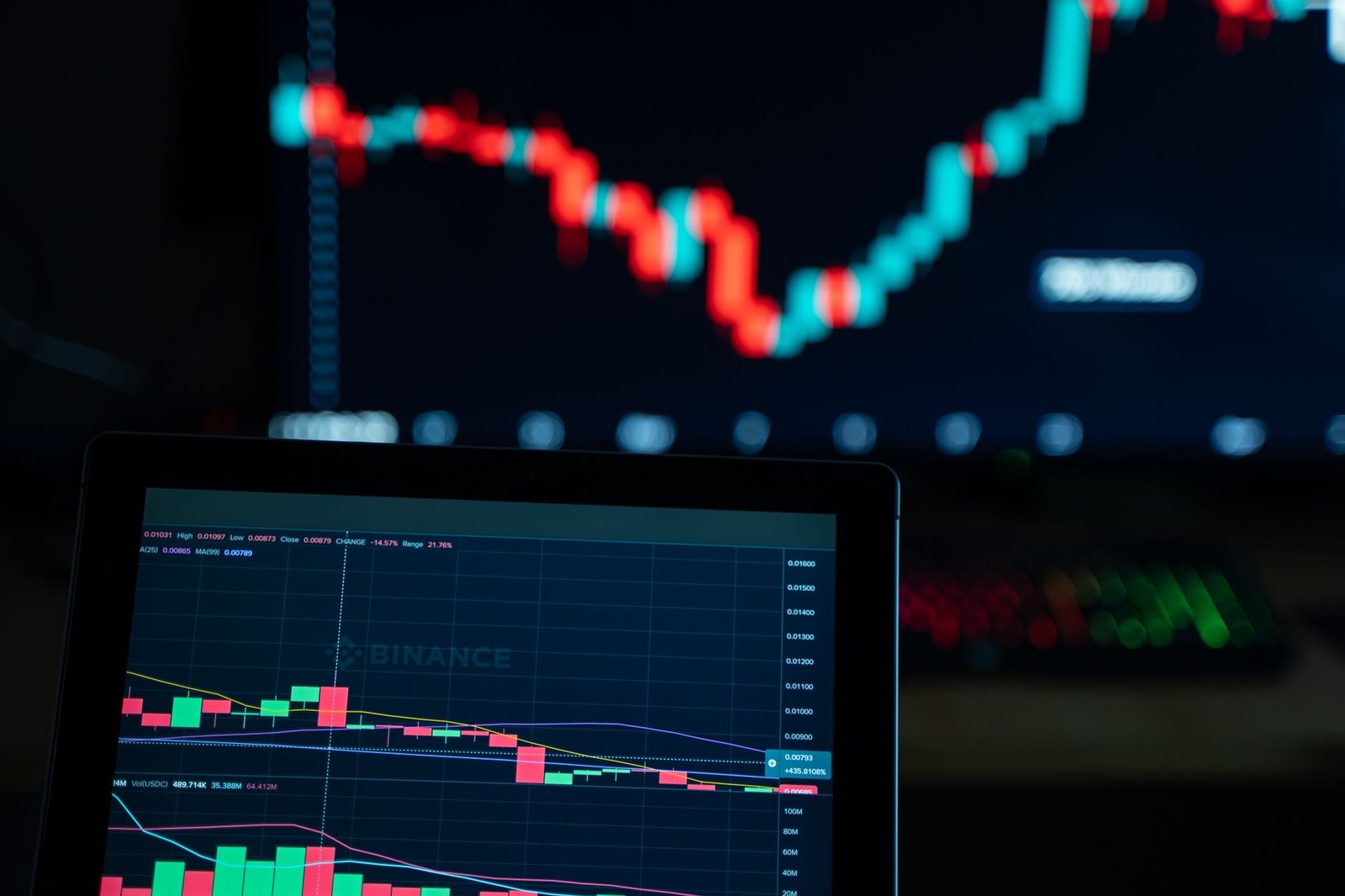
U.S. stock futures moved higher after a weaker-than-expected jobs report reduced concerns that the Federal Reserve will need to raise interest rates further. Softer labor market data often gives the Fed room to hold rates steady, which investors tend to welcome.
Wall Street futures edged up in early trading after the latest U.S. jobs figures came in below expectations, signaling some cooling in the labor market. For investors, a softer jobs report can be good news: it suggests the economy may be slowing just enough to ease inflation pressure without tipping into a serious downturn.
The Federal Reserve watches the labor market closely as it decides where to set interest rates. When hiring is strong and unemployment is low, wages tend to rise, which can push prices higher. That gives the Fed reason to keep rates elevated or even raise them further. But when job growth slows, it can take some of that pressure off — making rate hikes less likely in the near term.
Futures contracts, which allow traders to bet on where major stock indexes will open, rose after the data was released. That kind of move reflects a shift in market expectations: traders are pricing in a lower chance of another rate increase at the Fed’s next meeting. Lower rates are generally seen as positive for stocks, since they reduce borrowing costs for companies and make equities more attractive compared with bonds.
Bond markets also tend to react quickly to jobs data. When rate hike fears ease, Treasury yields often fall, as investors no longer expect the Fed to push short-term rates higher. Falling yields can in turn support stock valuations, particularly for growth-oriented companies whose future earnings are worth more when discounted at a lower rate.
It is worth noting that one month of labor data rarely settles the debate on its own. The Fed has said repeatedly that it is data-dependent — meaning it weighs a range of economic signals before deciding on rates. A single soft report can shift expectations, but policymakers will want to see a sustained trend before changing course.
The Fed’s next policy meeting will be the key test of whether this jobs data is enough to keep rates on hold.