The ongoing conflict involving Iran continues to cast a shadow over the global economy, unsettling trade routes, energy markets, and investor confidence across multiple regions.
Geopolitical tension centered on Iran is weighing on the global economic outlook, adding a layer of risk that policymakers and investors are struggling to price in. Conflicts in and around major oil-producing regions historically push energy prices higher, raise the cost of shipping, and dampen business investment — all of which slow economic growth.
The Middle East remains one of the world’s most critical energy corridors. Disruptions there tend to ripple outward quickly. Oil prices are sensitive to any sign that supply could be interrupted, and elevated energy costs act like a tax on consumers and businesses worldwide, squeezing household budgets and corporate margins alike.
For central banks, the picture becomes more complicated. Higher energy prices can push inflation upward at a moment when many policymakers are still working to bring price growth under control. That tension — between slowing growth on one side and sticky inflation on the other — limits the room central banks have to respond. Cutting interest rates to support growth risks reigniting price pressures; holding rates high risks deepening any economic slowdown.
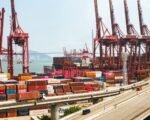
Global financial markets have shown heightened sensitivity to geopolitical shocks in recent years. Investors typically respond to elevated uncertainty by moving toward safer assets — government bonds, the U.S. dollar, and gold — while pulling back from equities and riskier investments. A sustained conflict can also disrupt global trade more broadly, particularly if key shipping lanes or regional partners are affected.
The International Monetary Fund and other multilateral institutions have repeatedly flagged geopolitical conflict as one of the top downside risks to world growth. The longer uncertainty persists, the more it can weigh on business confidence and capital spending — two key engines of economic expansion.
How the conflict evolves in the coming weeks will be a key factor shaping the global growth and inflation outlook for the rest of the year.