How Americans feel about the economy often depends on who they voted for — and that divide is shaping the broader picture of consumer confidence heading into the second half of 2026.
Economic sentiment in the United States has long carried a partisan tint, but the gap between how supporters and opponents of any given administration view the economy can be striking enough to move headline confidence measures. Right now, that divide matters because consumer spending accounts for roughly two-thirds of U.S. economic output. When large groups of people feel worse about their finances, they tend to pull back on purchases — and that restraint can slow growth in a meaningful way.
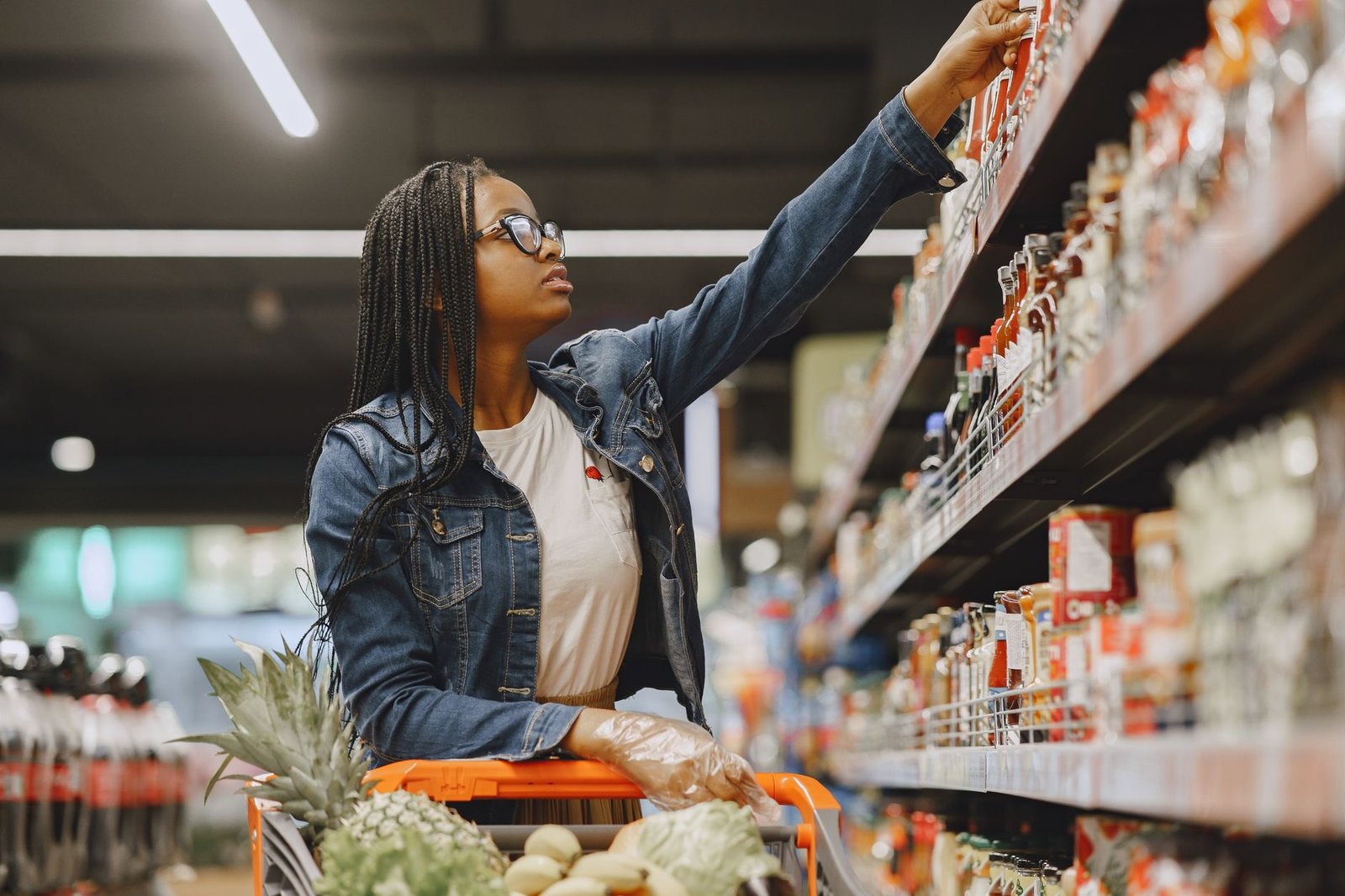
For voters who backed President Trump, the economic picture is a complicated one. Inflation, while down sharply from its 2022 peak, remains a daily reality at the grocery store and the gas pump. Tariffs introduced earlier this year have added cost pressure on imported goods, squeezing household budgets even as the headline unemployment rate stays relatively low. The tension between a strong labor market and persistent price increases is a difficult one for most families to reconcile.
Consumer confidence surveys — including those from the Conference Board and the University of Michigan — have shown notable softness this year, with expectations about the future running especially weak. When people are uncertain about the economy ahead, they tend to save more and spend less, which can become a self-fulfilling drag on growth.
Economists watch these sentiment readings closely because they can serve as an early warning signal. A sustained drop in confidence among a large segment of the population, even one that still has jobs, can foreshadow slower retail sales and weaker business investment down the road.
The Federal Reserve is also paying attention. Policymakers have noted that household expectations for inflation remain elevated, which complicates decisions about when and how much to cut interest rates. If consumers believe prices will keep rising, they often demand higher wages and spend more aggressively today — both of which can keep inflation sticky.
What voters say about the economy is not just a political story. It is an economic input that businesses, central bankers, and investors monitor to gauge where spending — and growth — might be headed next.
Sentiment surveys in the coming months will be a key test of whether consumer confidence stabilizes or continues to weigh on spending and growth.