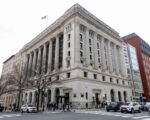
Investors worldwide are focused on the Federal Reserve’s upcoming policy meeting, which is expected to set the tone for financial markets across the globe. The Fed’s signals on interest rates carry enormous weight — for borrowing costs, currencies, and asset prices far beyond U.S. borders.
The Federal Reserve sits at the center of global financial markets this week, as traders and investors wait for the latest signals from U.S. policymakers on the path of interest rates. A Fed meeting — and the statement and press conference that follow — typically ranks among the most closely watched events on the financial calendar.
At stake is guidance on when, and by how much, the Fed might cut or hold its benchmark interest rate. That rate — the federal funds rate — determines the cost of borrowing across the U.S. economy, and its influence radiates outward. When U.S. rates are high, money tends to flow into dollar-denominated assets, lifting the dollar and pressuring currencies and debt in other countries, particularly emerging markets.
In recent months, the Fed has held rates steady while watching for clearer signs that inflation is returning to its 2% target. Economic growth has remained resilient, and the labor market has stayed firm — two factors that give the Fed room to keep rates elevated without triggering an immediate recession. But that same strength also complicates the case for near-term rate cuts.
Markets have been repricing their expectations for Fed policy several times this year, responding to incoming data on jobs, consumer prices, and economic output. Each shift has rippled through bond yields, stock valuations, and exchange rates — a reminder of how closely tied global markets are to U.S. monetary policy decisions.
This week’s meeting will be parsed closely for any change in tone. Policymakers rarely move rates without signaling their intentions first, so even subtle shifts in language can move markets. Investors will pay particular attention to what the Fed says about the balance of risks — between inflation staying too high and growth slowing too much.
The Fed’s statement and any subsequent press conference will be the key events to watch for clues on the timing of any future rate moves.