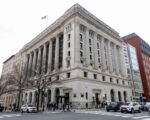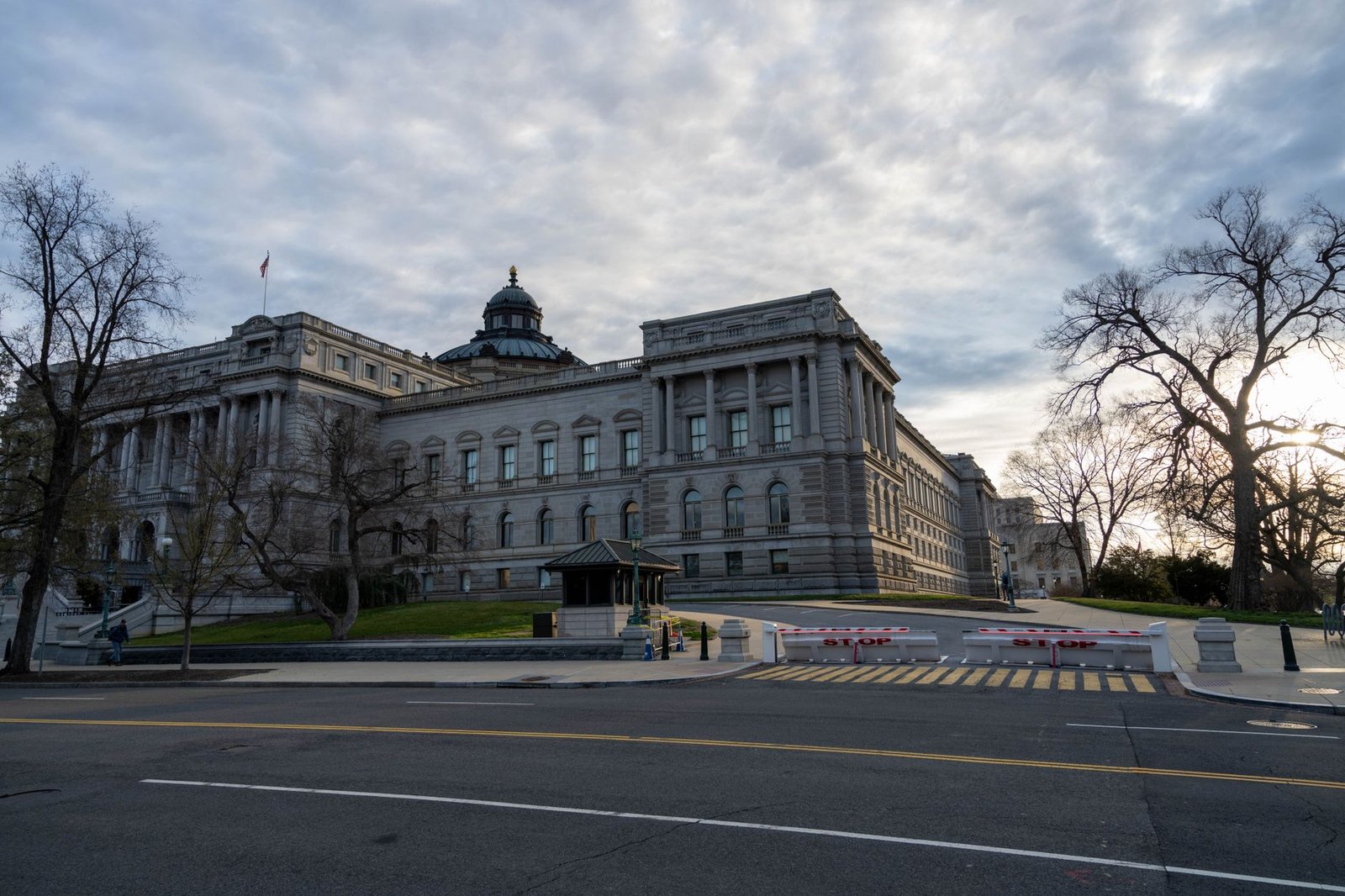
A figure known for raising alarms before the 2008 financial crisis is pushing back against the Federal Reserve’s rationale for keeping interest rates elevated, arguing the U.S. economy is heading into a difficult stretch later this year.
The debate over when — or whether — the Federal Reserve should cut interest rates is heating up again, this time with a prominent skeptic warning that the central bank may be misreading the health of the U.S. economy.
A whistleblower who gained attention for warning about risks in the financial system ahead of the 2008 crisis has publicly challenged the Fed’s argument that the economy remains strong enough to sustain high borrowing costs. The core of the concern: official data and Fed rhetoric may be presenting a more resilient picture than underlying conditions actually support.
The Federal Reserve has kept its benchmark interest rate at elevated levels — near a two-decade high — as it works to bring inflation fully back to its 2% target. Fed officials have repeatedly pointed to a solid labor market and steady consumer spending as reasons to stay cautious about cutting rates. The argument is that cutting too soon could allow inflation to rebound.
Critics of that view, however, contend that the effects of high interest rates accumulate slowly and that the full weight of tighter credit conditions has not yet been felt by households and businesses. When those effects do show up — potentially in the fourth quarter of this year — the economy could slow more sharply than officials expect.
This tension between official optimism and skeptical outside voices is a familiar dynamic. After the 2008 crisis, many analysts argued that regulators and policymakers were too slow to recognize warning signs that were visible in credit markets and housing data long before the broader economy deteriorated. That history gives some credibility to voices urging caution about taking current strength at face value.
The Fed faces a genuinely difficult call. Move too slowly, and a sharper-than-expected slowdown could arrive without enough policy room to respond. Move too quickly, and inflation could prove stickier than hoped. Markets are watching incoming economic data closely for clues about which scenario is more likely.
Upcoming readings on consumer spending, credit conditions, and jobs will be key tests of whether the U.S. economy’s resilience is holding or beginning to fade.