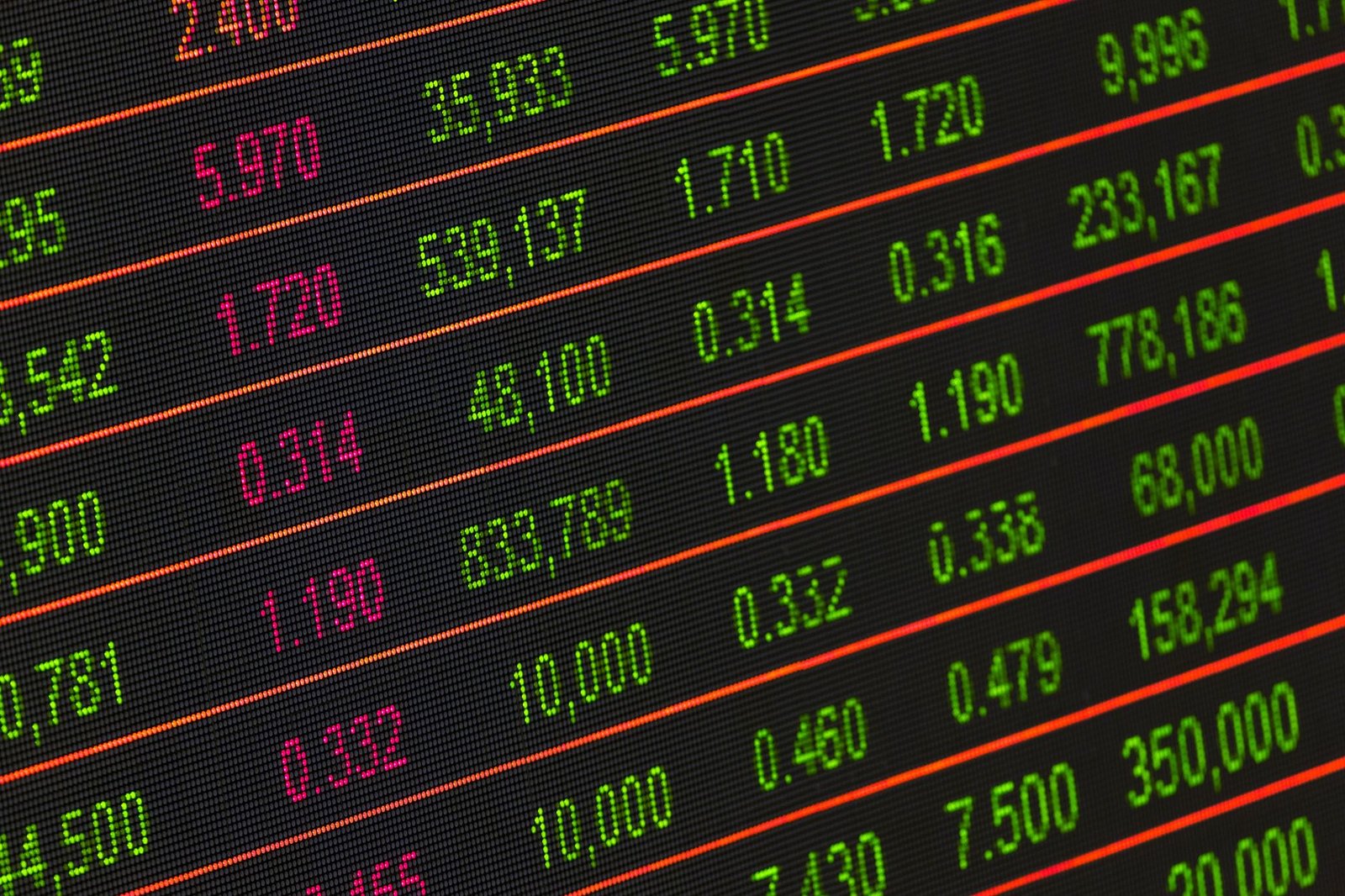
It seems counterintuitive, but stock prices can rise even when economic data disappoints. Understanding why helps investors make sense of market moves that otherwise look puzzling.
Stock markets are not scoreboards for today’s economy. They are, in essence, machines that try to price what the economy will look like months or even years from now. That forward-looking nature is why market reactions to economic data can sometimes seem to run in the wrong direction.
When a jobs report comes in weaker than expected, or when manufacturing data slows, many investors’ first instinct is to expect stocks to fall. Often they do. But sometimes they rise — and the reason comes down to what weak data signals about interest rates.
Interest rates are the price of borrowing money. When rates are high, they tend to weigh on corporate profits and economic activity. So if disappointing economic data leads investors to believe the Federal Reserve will cut rates sooner or more aggressively than previously expected, that shift in expectations can actually lift stock prices. Lower expected rates reduce the cost of doing business and make future corporate earnings worth more in today’s terms.
This dynamic is sometimes summarized as “bad news is good news” — a shorthand for the idea that weaker data can push rate expectations lower, which supports asset prices. The reverse can also be true: stronger-than-expected data may push rate expectations higher and weigh on stocks, even though the underlying economy looks healthy.
Earnings expectations work in a similar way. Stocks tend to reflect what investors think companies will earn over the long run, not just this quarter. A company that misses near-term profit targets but raises its long-term guidance may still see its stock price climb.
The lesson for anyone trying to follow markets is that the data itself matters less than how the data compares to what investors already expected, and how it shapes the outlook for rates and growth going forward. Context, not just the headline number, drives the reaction.
Watching how markets respond to data — not just what the data says — often reveals more about investor sentiment than the numbers themselves.