North Korea’s economy has expanded, driven by weapons sales to Russia and rising trade with China — a shift that carries broader implications for regional stability and global sanctions regimes.
North Korea’s economy is showing signs of growth, fueled by two key forces: arms exports to Russia tied to the war in Ukraine, and a recovery in cross-border trade with China. The development marks a notable change for a country that has long operated under heavy international sanctions designed to limit its access to hard currency.
The arms relationship with Russia has become an important revenue stream for Pyongyang. Analysts believe North Korea has supplied artillery shells and other munitions to Moscow, receiving payment that provides economic relief despite the international isolation that has defined North Korea’s position in the global economy for decades. This kind of barter-adjacent arrangement is difficult to track and harder to sanction.
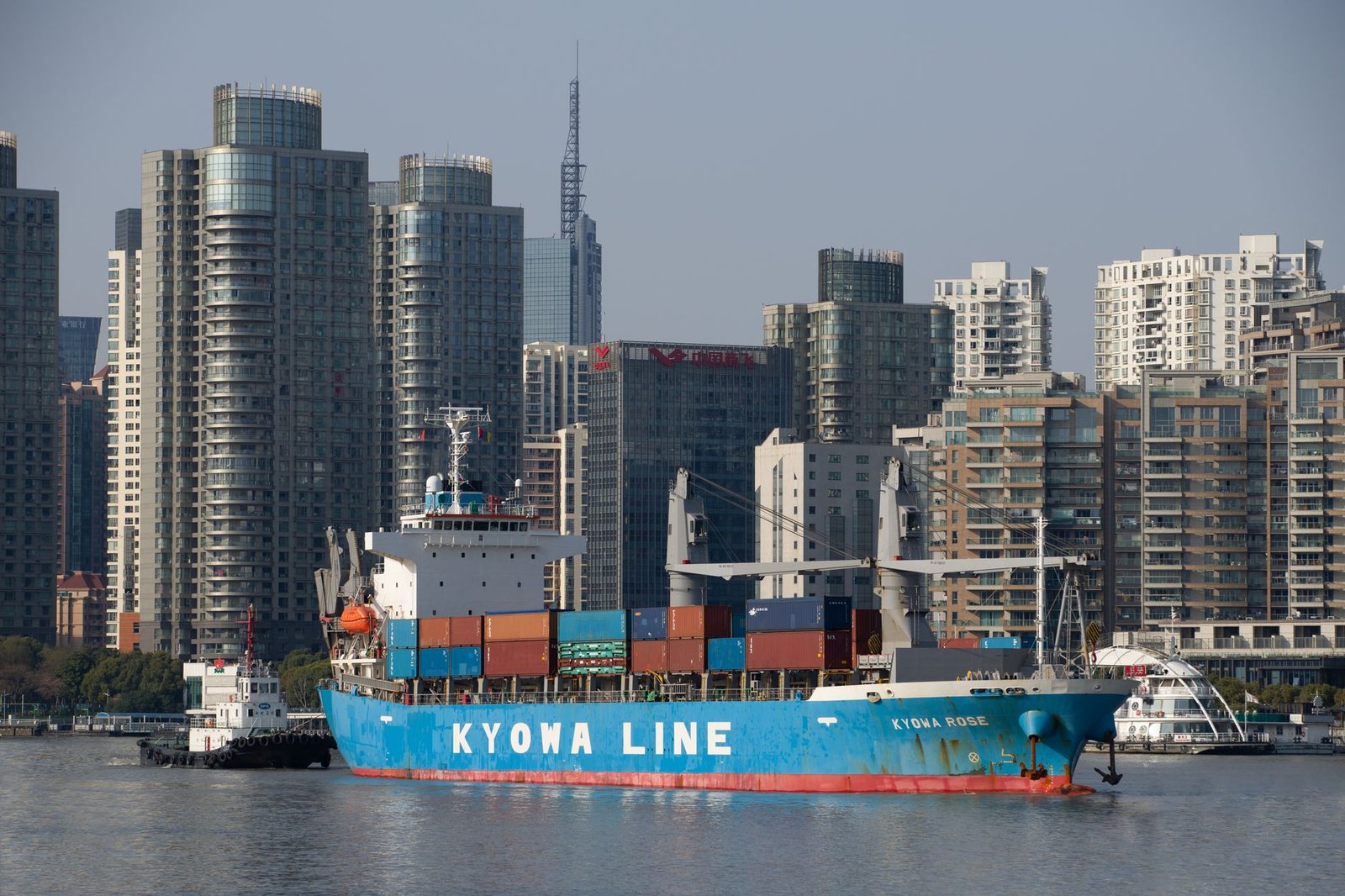
At the same time, trade with China — North Korea’s dominant economic partner — has continued to recover after pandemic-era border closures disrupted commerce for several years. China accounts for the vast majority of North Korea’s external trade, meaning any meaningful rebound there has an outsized effect on the overall economy.
For global markets and policymakers, the significance lies less in North Korea’s economic size — which remains small by any standard — and more in what this growth signals about the durability of the existing sanctions framework. If weapons exports and informal trade channels are generating real economic expansion, it raises questions about whether that framework can achieve its stated goals.
The situation also adds a layer of complexity to diplomacy. A North Korea that is economically less pressured may have less incentive to engage in negotiations over its nuclear and missile programs, which Western governments have long sought to curb through economic isolation.
For investors and analysts watching emerging geopolitical risks, developments on the Korean peninsula remain a background factor in broader assessments of Asian regional stability and global defense spending trends.
Whether international bodies move to tighten oversight of arms-for-revenue arrangements will be a key question in the months ahead.