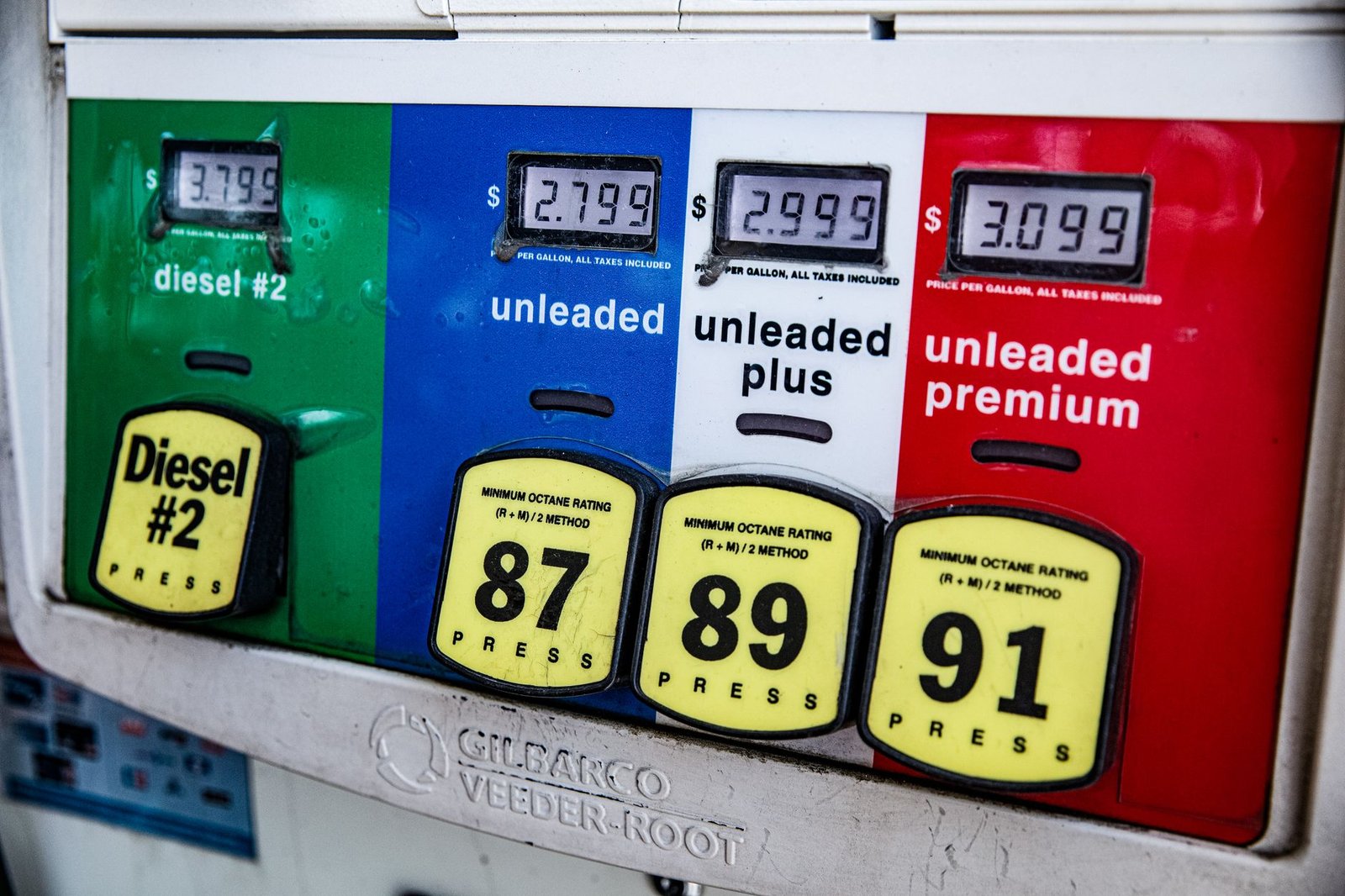
Consumer prices climbed 0.9 percent in March, the government reported, as a surge in gasoline costs pushed overall inflation well above recent monthly trends. Over the past 12 months, prices are up 3.3 percent.
The Consumer Price Index, a broad measure of what Americans pay for everyday goods and services, rose 0.9 percent in March on a seasonally adjusted basis, according to the latest government data. That is a notably large one-month move and was driven in significant part by higher gasoline prices at the pump.
On an annual basis, the index is up 3.3 percent — a rate that remains above the Federal Reserve’s 2 percent inflation target. The Fed uses inflation data like this to decide whether to raise, lower, or hold steady its benchmark interest rate. When inflation stays elevated, the central bank typically keeps borrowing costs higher for longer to cool price pressures.
The picture looks calmer when energy and food are stripped out. So-called core inflation — which excludes those two volatile categories — rose just 0.2 percent for the month and 2.6 percent over the past year. Core inflation is closely watched by economists because it tends to give a cleaner signal about the underlying direction of prices, free from the week-to-week swings in oil and grocery costs.
Still, the headline number will draw attention. A monthly reading near 1 percent is well above the pace consistent with stable, low inflation, and gasoline prices can have a ripple effect — raising the cost of shipping, transportation, and a wide range of goods that depend on fuel to reach store shelves. Whether March’s jump proves to be a one-month spike or part of a broader trend will be a key question for markets and policymakers alike.
Bond markets tend to react quickly to inflation data. Hotter-than-expected prints often push Treasury yields higher, as investors price in a reduced chance of near-term interest-rate cuts. Stock markets can also face pressure when inflation runs hot, since higher borrowing costs can weigh on corporate profits and consumer spending.
The next few months of CPI data will help clarify whether March’s energy-driven spike is temporary or a sign that inflation progress has stalled.