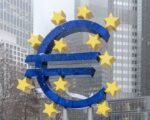
European Central Bank President Christine Lagarde has warned that rising energy costs and food price pressures pose serious threats to the global economy, describing the current environment as one of extreme uncertainty.
Christine Lagarde, president of the European Central Bank, has sounded the alarm over two of the most persistent drivers of inflation worldwide: energy prices and food costs. Her remarks underline how fragile the global economic backdrop remains, even as central banks in Europe and elsewhere have spent the better part of two years trying to bring inflation under control.
Energy shocks are among the most disruptive forces an economy can face. When energy costs rise sharply, they push up prices across nearly every sector — from manufacturing to transport to household heating bills. That makes the central bank’s job harder, because higher inflation may call for tighter monetary policy, even when growth is already under pressure.
Food price inflation carries a similar sting. It falls most heavily on lower-income households, which spend a larger share of their budgets on groceries. When food and energy costs rise together, consumer spending on other goods and services tends to slow, which can weigh on overall economic growth.
Lagarde’s language around “extreme uncertainty” reflects how difficult it is right now to forecast where the economy is headed. Global trade tensions, ongoing geopolitical conflicts, and uneven recoveries across major economies all make it harder for policymakers to plan ahead. For the ECB, that means calibrating interest rate decisions — which directly affect borrowing costs for households and businesses across the eurozone — with imperfect information.
The ECB has been navigating a difficult path: raising rates enough to cool inflation without pushing the eurozone economy into recession. Lagarde’s latest warning suggests that external shocks — events largely outside the ECB’s control — could complicate that balancing act further in the months ahead. Markets and analysts will be watching closely for any signal that the central bank may need to adjust its policy stance in response.
Investors and policymakers alike will be tracking energy and food price trends closely as the ECB weighs its next moves on interest rates.