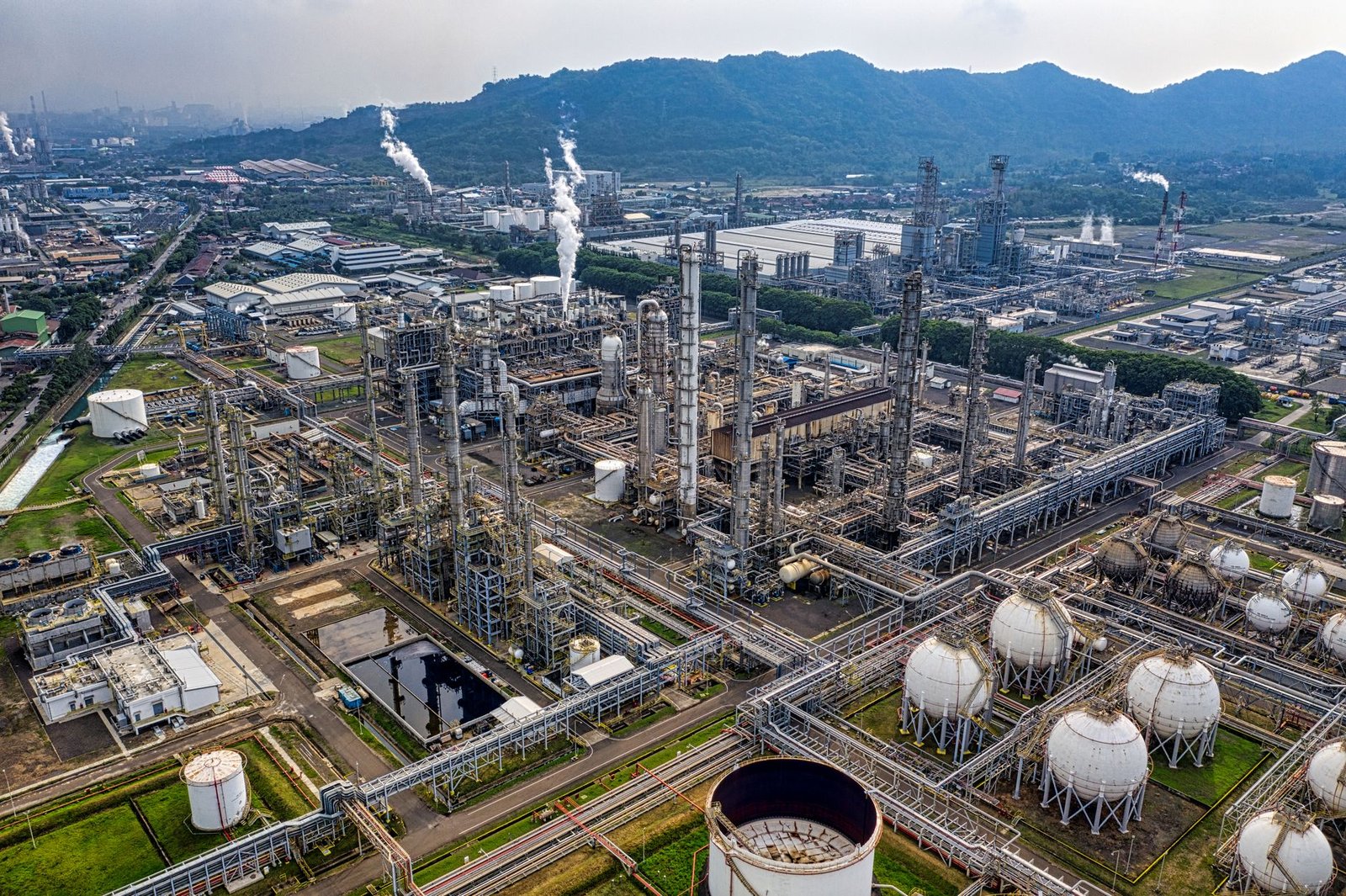
A sharp rise in oil prices and a broad selloff in global government bonds shook financial markets, raising fresh concerns about inflation and the cost of borrowing around the world.
Global markets came under pressure as energy prices surged and bond yields climbed across major economies, a combination that historically signals tighter financial conditions ahead. When bond prices fall, yields — the effective interest rate governments and companies pay to borrow — rise, making debt more expensive for everyone from businesses to households.
Oil price spikes tend to ripple through the broader economy quickly. Higher energy costs push up the price of transportation, manufacturing, and heating. That can reignite inflation just as central banks in many countries have been working to bring price growth back under control. If inflation picks up again, policymakers may have less room to cut interest rates — or may even need to raise them further.
The bond selloff appeared widespread, touching markets in multiple regions. A simultaneous rise in yields across countries suggests investors are reassessing their expectations for inflation and monetary policy on a global scale, not just in one economy. When bond markets move together like this, it can also tighten credit conditions even before central banks formally act.
For stock markets, a rising yield environment tends to be a headwind. Higher yields make bonds more attractive relative to stocks and raise the cost of capital for companies, which can weigh on earnings expectations and valuations. Equity markets in several regions reflected this pressure in recent trading.
The developments add complexity for central banks including the U.S. Federal Reserve, the European Central Bank, and the Bank of England, all of which are navigating the fine line between keeping inflation in check and avoiding unnecessary damage to economic growth. An external shock like a sustained oil price increase complicates that balancing act considerably.
Markets will be watching whether oil prices stabilize and how central bank officials respond to the renewed inflation pressure in the weeks ahead.