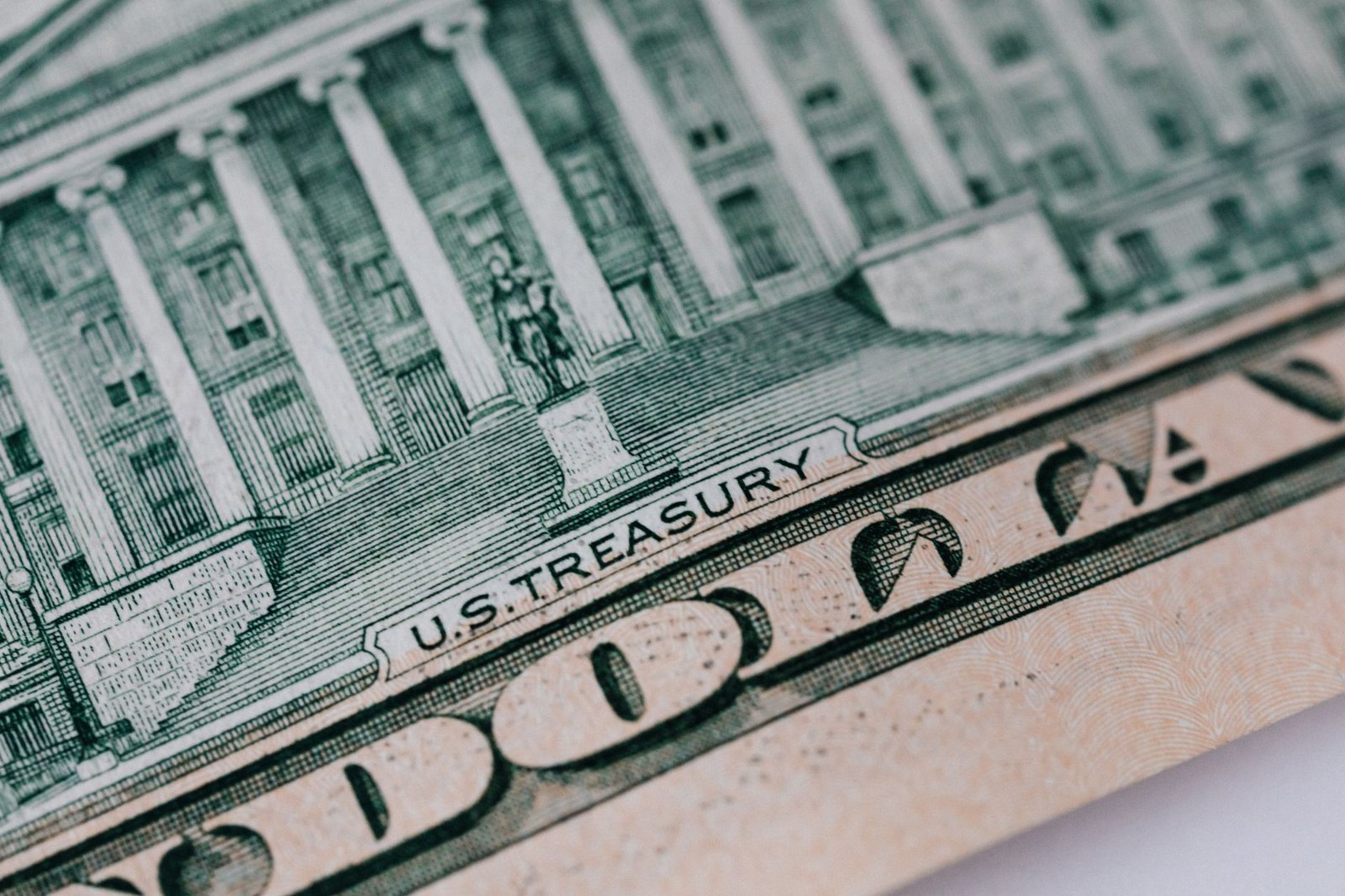
U.S. bond yields climbed close to multi-year peaks after the latest inflation data showed prices accelerating, while Wall Street stocks rallied as investors repositioned around the new figures.
Treasury yields edged toward levels not seen in years after a fresh batch of U.S. inflation data pointed to prices rising faster than many had expected. The move in yields — which reflect what investors demand to lend the government money — signals that markets are rethinking how long the Federal Reserve may need to keep interest rates elevated.
When inflation runs hotter, bond investors typically require higher returns to compensate for the erosion of purchasing power over time. That pushes bond prices down and yields up. A sustained rise in yields can ripple across the economy, raising borrowing costs for mortgages, business loans, and credit cards.
Stocks, meanwhile, moved higher. That may seem counterintuitive, but equity markets sometimes welcome firmer inflation data when it suggests the broader economy is running with genuine momentum rather than slowing sharply. Investors appeared to read the figures as a sign that growth remains intact, at least for now.
The tension between rising yields and rising stocks reflects a broader debate in markets: whether the U.S. economy is strong enough to absorb higher rates without stumbling, or whether pressure is quietly building beneath the surface. That question sits at the center of every major investment and policy decision right now.
For the Federal Reserve, an acceleration in prices complicates any near-term plans to ease monetary policy. Policymakers have said repeatedly that they need sustained evidence inflation is returning to their 2% target before cutting rates. Hotter data pushes that timeline further out and keeps the pressure on borrowing costs across the economy.
The bond market’s reaction is worth watching closely. When yields on long-term Treasuries rise sharply, they can act as a brake on economic activity — dampening housing, business investment, and consumer spending even without any additional Fed action.
Upcoming inflation readings and any Fed commentary will be key in determining whether this yield move holds or fades.