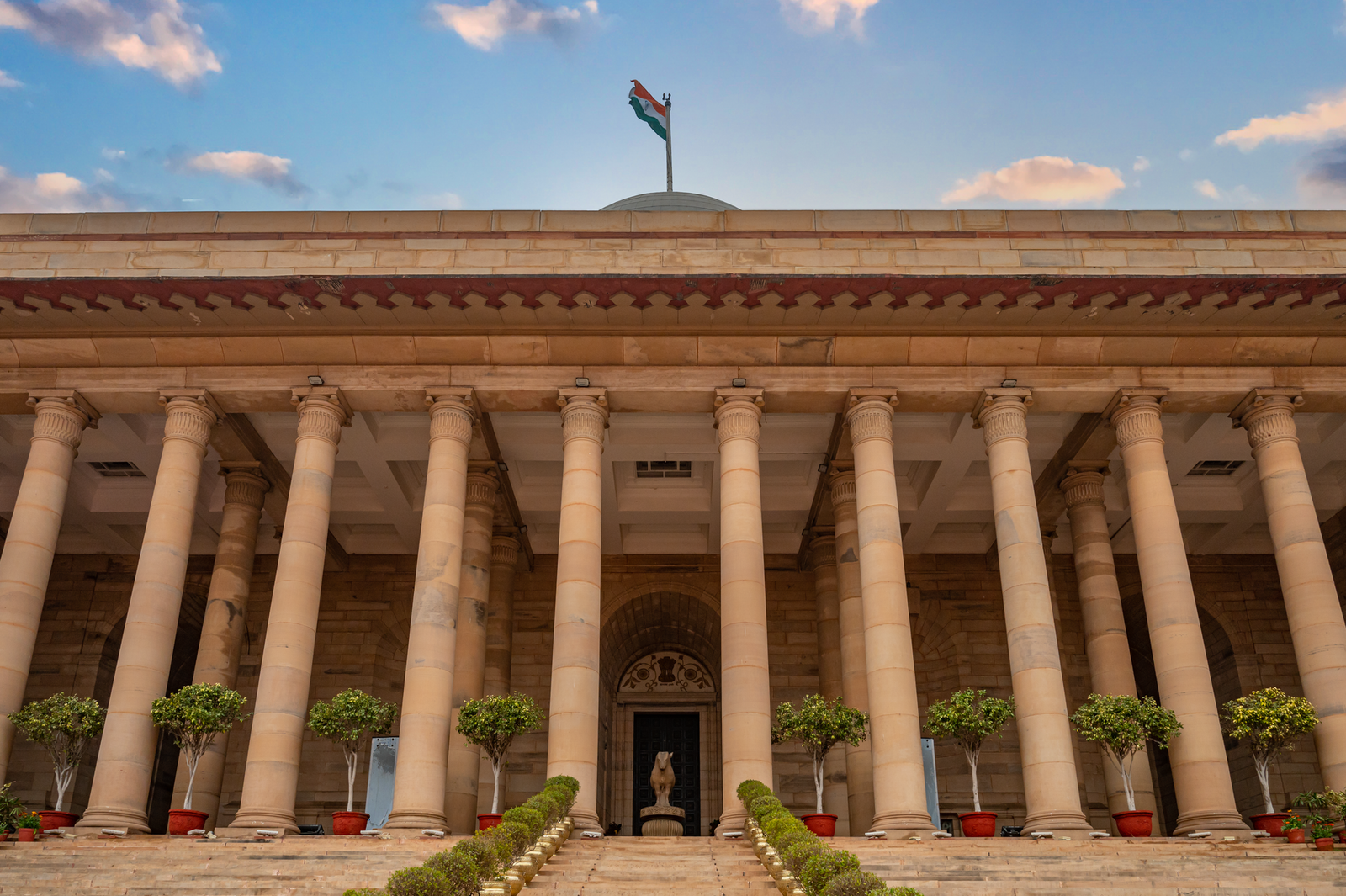
Major emerging-market economies are meeting in India to deepen efforts to reduce reliance on the U.S. dollar, a move with significant implications for global finance and American economic influence.
A grouping of large emerging economies — including Russia, China, Iran, Saudi Arabia, and several African nations — has convened under the BRICS banner to advance plans that would give member states more ways to settle trade outside the U.S. dollar system. The gathering signals a continued and deliberate push by these countries to build financial infrastructure that operates beyond the reach of Western sanctions and dollar-dependent payment networks.
The dollar’s role as the world’s primary reserve currency gives the United States considerable leverage. When countries hold dollars to pay for oil, goods, and loans, demand for the currency stays high. That demand also amplifies the power of U.S. financial sanctions — if a country is cut off from dollar-based systems, it faces serious barriers to global trade. Countries like Russia and Iran, both under broad U.S. and Western sanctions, have strong incentives to find alternatives.
BRICS — originally Brazil, Russia, India, China, and South Africa — has expanded in recent years to include new members such as Iran, Saudi Arabia, and others. The bloc now represents a substantial share of global economic output and population, giving its policy conversations real weight even when concrete agreements are slow to materialize.
Proposals discussed within BRICS circles have included trade settled in local currencies, new payment messaging systems that could bypass Western-controlled networks, and frameworks for central bank cooperation. None of these has yet matched the scale or liquidity of dollar-based systems, and economists note that dethroning the dollar as the dominant reserve currency would take decades, if it happens at all. The infrastructure of dollar dominance — deep U.S. Treasury markets, widespread dollar-denominated debt, and trusted financial institutions — is not easily replicated.
Still, the steady drumbeat of these meetings matters. Each agreement to settle bilateral trade in local currencies, or each new correspondent banking arrangement that avoids the dollar, chips modestly at the margin of dollar demand. For investors and policymakers, the trend is worth watching even if the short-term impact is limited.
Washington and its allies are closely tracking the bloc’s progress. U.S. officials have consistently argued that the dollar’s dominance reflects the strength of American institutions and the depth of its financial markets, not coercion — and that alternatives lack the credibility and liquidity to meaningfully compete.
How far BRICS nations can move from words to workable financial infrastructure will be the key question to watch in the months ahead.