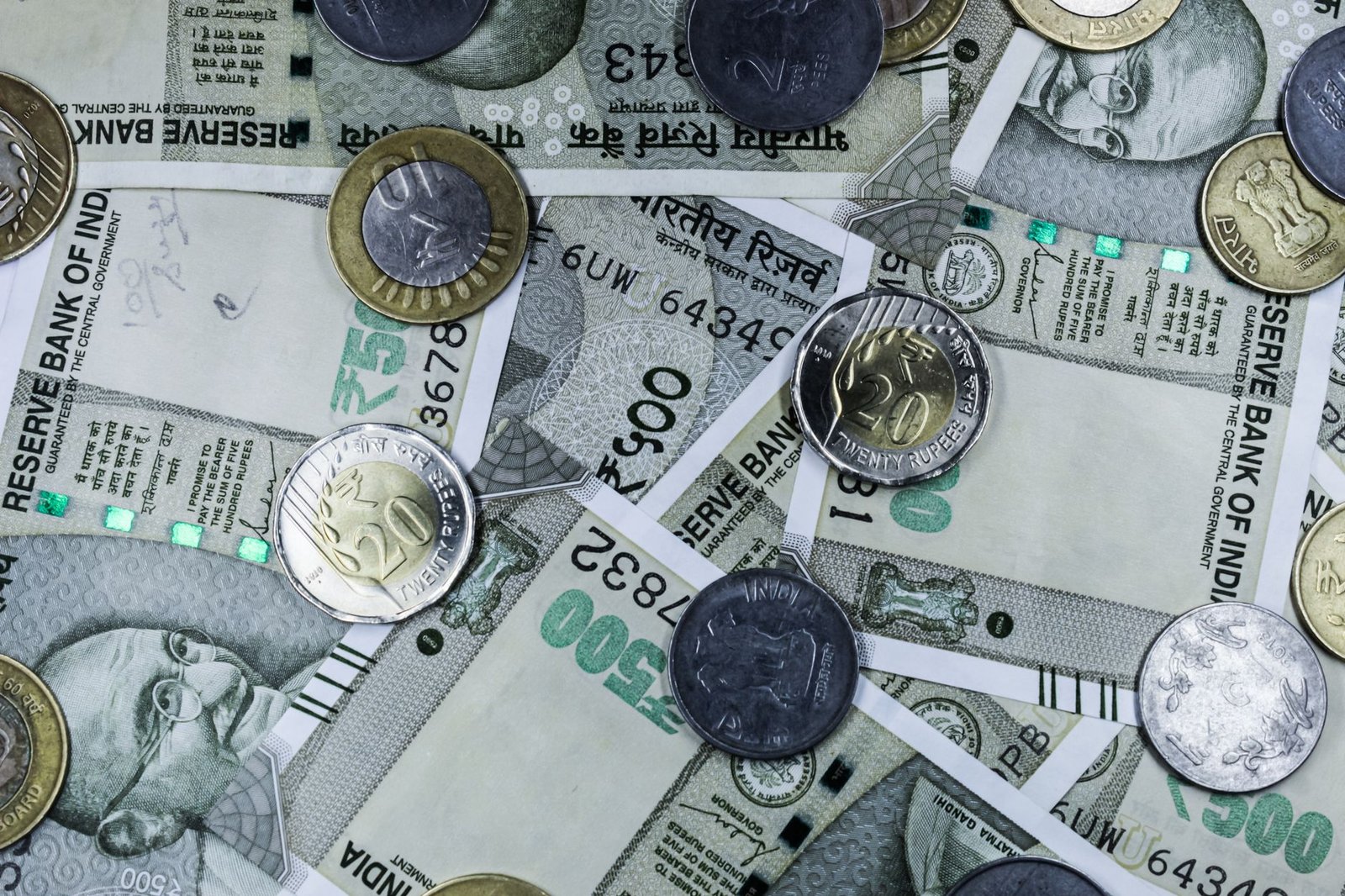
Interest rates are climbing across major economies, putting pressure on central banks in emerging markets — including India’s Reserve Bank — to respond. For millions of borrowers and savers, the ripple effects could be significant.
A broad rise in global borrowing costs is reshaping the financial landscape for households and investors around the world. When rates move higher in large economies — particularly the United States and Europe — the effects rarely stay contained. Capital flows shift, currencies come under pressure, and central banks elsewhere are forced to weigh their next move carefully.
For India’s Reserve Bank (RBI), the question is familiar: follow the global tide to protect the rupee and keep inflation in check, or hold steady to avoid cooling a growing economy. Central banks in emerging markets face this tension every time developed-world rates move sharply. Higher rates abroad can pull investment away from emerging economies, weakening local currencies and making imported goods more expensive.
For ordinary borrowers, the stakes are very direct. Home loans in India are largely tied to floating interest rates, which means monthly payments — known as EMIs — can rise when the RBI adjusts its benchmark rate. Even a modest rate increase of a fraction of a percentage point can add meaningfully to the total cost of a long-term mortgage over its life.
On the investment side, rising rates typically put pressure on bond prices, since existing bonds paying lower yields become less attractive when new ones offer more. Equity markets can also feel the strain, as higher borrowing costs weigh on corporate profits and reduce the appeal of stocks relative to safer, higher-yielding assets. That said, savers holding bank fixed deposits and similar instruments may benefit from better returns.
The broader picture is one of adjustment. After years of historically low rates globally, the shift toward higher borrowing costs has been one of the defining financial themes of recent years. Central banks have generally been trying to balance growth against price stability — and that balancing act is unlikely to end quickly. How the RBI navigates this environment will depend on incoming data on inflation, growth, and the rupee’s performance in currency markets.
Watch for the RBI’s next policy meeting and any signals from major central banks on the pace and direction of rate changes — both will shape borrowing costs and investment returns in the months ahead.