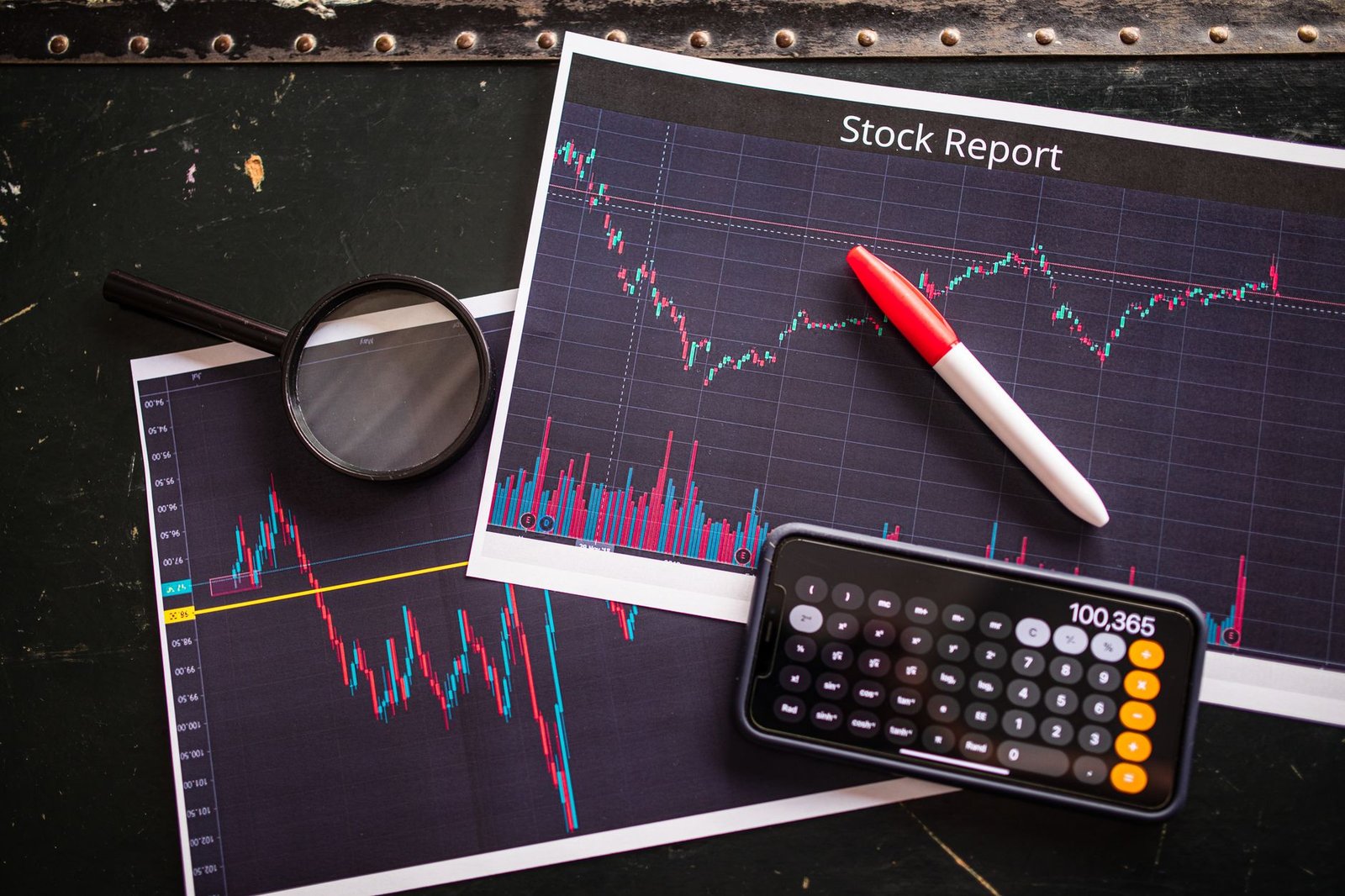
A group of economists has put forward a bearish outlook for the U.S. economy and stock market over the next year or two, predicting a potential downturn. Such forecasts are part of an ongoing debate among analysts about whether current economic conditions can be sustained.
A cluster of economists has raised concerns about the near-term trajectory of the U.S. economy, warning that a combination of factors — including elevated interest rates, stretched asset valuations, and slowing consumer spending — could weigh on growth into 2027. The forecasts represent one end of a wide spectrum of professional opinion, and should be read in that context.
Bearish economic outlooks are a normal part of market discourse. Analysts regularly publish scenarios ranging from soft landings to sharp contractions, and history shows that even well-credentialed forecasters frequently miss both the timing and magnitude of economic turning points. Predicting a specific market level or a precise recession date is notoriously difficult.
What gives some analysts pause right now is the combination of still-elevated borrowing costs, a consumer that has drawn down pandemic-era savings, and stock valuations that remain historically high relative to corporate earnings. When these conditions coincide, the margin for error in the economy narrows, making growth more sensitive to shocks — whether from trade, geopolitics, or a policy misstep.
At the same time, the U.S. labor market has shown considerable resilience over the past two years, and corporate earnings have largely held up. The Federal Reserve has signaled it is watching economic data carefully and retains room to adjust policy if conditions deteriorate. Those factors give a more optimistic camp reason to push back against the darkest scenarios.
For everyday investors, the key takeaway is not any single forecast but the broader uncertainty. Financial markets routinely price in a range of outcomes, and sharp moves in either direction are possible. Diversification and a clear understanding of one’s own time horizon remain the most durable responses to an uncertain outlook — not reactions to any one prediction.
We’ll be watching incoming data on jobs, inflation, and consumer spending for clearer signals about where the U.S. economy is actually headed.