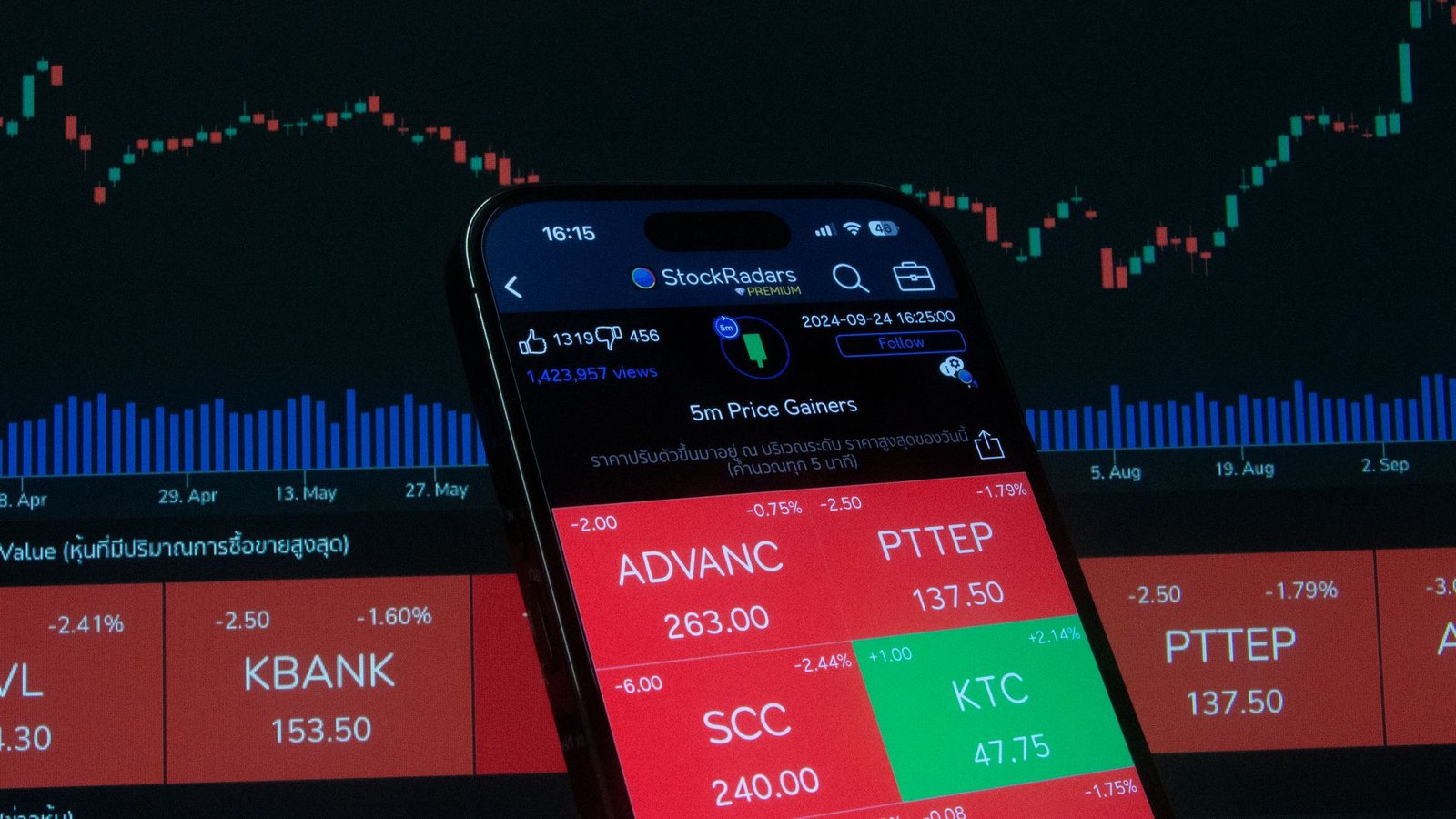
Concerns about the path of interest rates have renewed debate over stock market risk heading into late 2026. Investors are weighing how much higher borrowing costs can go before corporate earnings and consumer spending take a meaningful hit.
Rising interest rates are once again at the center of market anxiety. When central banks lift borrowing costs, the effect ripples through the economy: mortgages get more expensive, business loans cost more, and companies that carry heavy debt face higher interest bills. All of that tends to weigh on corporate profits — and, over time, on stock prices.
The concern is straightforward in theory. Higher rates make bonds and savings accounts more attractive compared with stocks, which are riskier. That can shift money out of equities and into fixed income, putting downward pressure on share prices. The question investors are grappling with now is whether current rate levels are high enough to cause a significant pullback — or whether the economy can absorb them.
History offers a nuanced picture. Rate-hiking cycles do not always end in sharp market declines. Much depends on the pace of hikes, the strength of the underlying economy, and whether earnings hold up. In some cycles, stocks have continued to rise well into a tightening period before eventually turning lower. In others, the correction has come faster.
What is different now is that rates in many major economies are already elevated compared with the decade following the 2008 financial crisis. Investors who got used to near-zero rates may be less prepared for sustained pressure on valuations, particularly for growth-oriented companies whose future earnings are worth less when discounted at higher rates.
That said, dramatic predictions of a specific crash in a specific year have a poor track record. Markets are influenced by dozens of variables at once — labor markets, inflation, geopolitics, and corporate fundamentals among them. Selling based on a single-factor forecast carries its own risks, including missing any recovery that follows a dip.
For investors, the more measured approach is to review portfolio exposure to interest-rate-sensitive sectors, assess whether holdings match their own risk tolerance, and avoid making sweeping changes based on short-term fear. A financial adviser can help assess individual circumstances — this article is news reporting, not investment advice.
The next major data points to watch are inflation readings and any central bank guidance on the rate outlook, both of which will shape how markets price risk in the months ahead.