A confluence of pressures — trade fragmentation, sticky inflation, elevated debt, and slowing growth — is testing the resilience of the world economy heading into late 2026.
Economists and market watchers are growing more vocal about a set of overlapping risks that, taken together, could weigh heavily on global growth in the months ahead. No single threat stands alone. It is the combination that has analysts concerned.
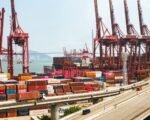
The first pressure point is trade fragmentation. Years of geopolitical tension have pushed major economies toward reshoring supply chains and imposing tariffs. That process raises costs for businesses and consumers alike, and it slows the kind of cross-border investment that has driven global growth for decades.
The second is inflation that has proven harder to fully tame than central banks had hoped. While price growth in many countries has come down from its post-pandemic peaks, it remains above the targets set by the U.S. Federal Reserve, the European Central Bank, and other major monetary authorities. That keeps interest rates higher for longer, which squeezes borrowers and dampens economic activity.
Third is the debt burden. Governments around the world borrowed heavily during the pandemic and have continued to run large deficits since. With interest rates elevated, the cost of servicing that debt has climbed sharply. That leaves less room for fiscal stimulus if growth falters — a problem sometimes called a “fiscal space” shortage.
Fourth is slowing growth itself. China, the world’s second-largest economy, continues to face structural headwinds including a troubled property sector and weak consumer demand. Europe has struggled to regain momentum. Even the U.S. economy, which outperformed expectations for much of 2024 and 2025, is showing signs of cooling.
None of these forces is new. What concerns analysts now is that they are arriving at roughly the same time, and that policymakers have fewer traditional tools available to respond. Interest rates cannot easily be cut if inflation stays elevated. Government spending cannot easily be ramped up if debt levels are already stretched.
Whether these pressures tip the global economy into a meaningful slowdown — or prove manageable — will depend largely on how central banks and governments navigate the difficult trade-offs ahead.