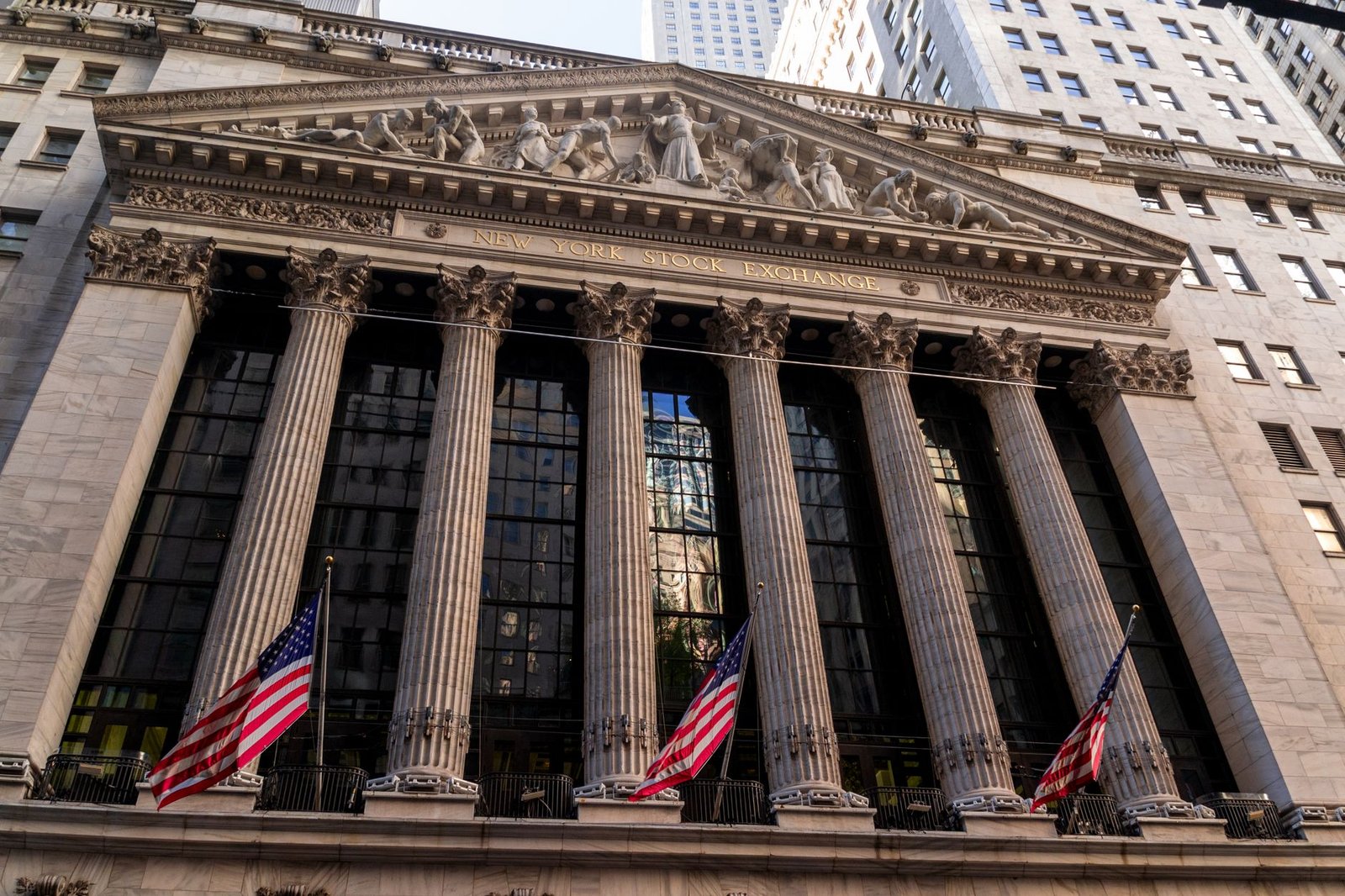
Stocks fell across major markets as rising government bond yields unsettled investors worldwide, raising concerns that a new, less forgiving era for financial assets may be taking hold.
A broad decline in global equities gathered pace in recent trading as bond markets sent a warning signal that investors have been watching closely for months. Rising yields on government debt — in effect, the interest rate that governments pay to borrow money — weighed on stocks in Asia, Europe, and the Americas, reflecting a shared unease about where interest rates and inflation are headed.
When bond yields rise sharply, it tends to push investors out of riskier assets like stocks. Higher yields make the guaranteed return from government bonds more attractive by comparison, and they also raise borrowing costs for businesses and households, which can slow economic growth over time. That double pressure is what markets appeared to be pricing in during this latest selloff.
The move in bonds was notable enough that some analysts described it as a potential turning point — a sign that the era of low rates and abundant cheap money that defined the decade before 2022 may not be returning. Instead, investors may need to adjust to a world where government borrowing is large, inflation is stickier than central banks would like, and the cost of capital stays higher for longer.
Central banks remain central to this story. The U.S. Federal Reserve, the European Central Bank, the Bank of England, and others have all struggled to bring inflation down to their 2% targets without triggering a sharp economic slowdown. Any signal that rate cuts are further away than markets hoped tends to send both stocks and bonds lower at the same time — an uncomfortable combination for diversified investors.
Fiscal concerns are also playing a role. In several major economies, government deficits remain wide, meaning treasuries must issue large volumes of new debt. When supply of bonds is high and demand is uncertain, yields tend to drift upward. That dynamic has added to the unease in fixed-income markets and, by extension, in equities.
For everyday investors, the practical message is that the relationship between stocks and bonds — long seen as a natural hedge, where one rises when the other falls — is less reliable when inflation is the main driver of market moves. In that environment, both assets can fall together, leaving fewer obvious places to shelter.
Bond market signals will be the key gauge to watch as investors weigh whether this is a temporary repricing or the start of a more lasting shift in financial conditions.