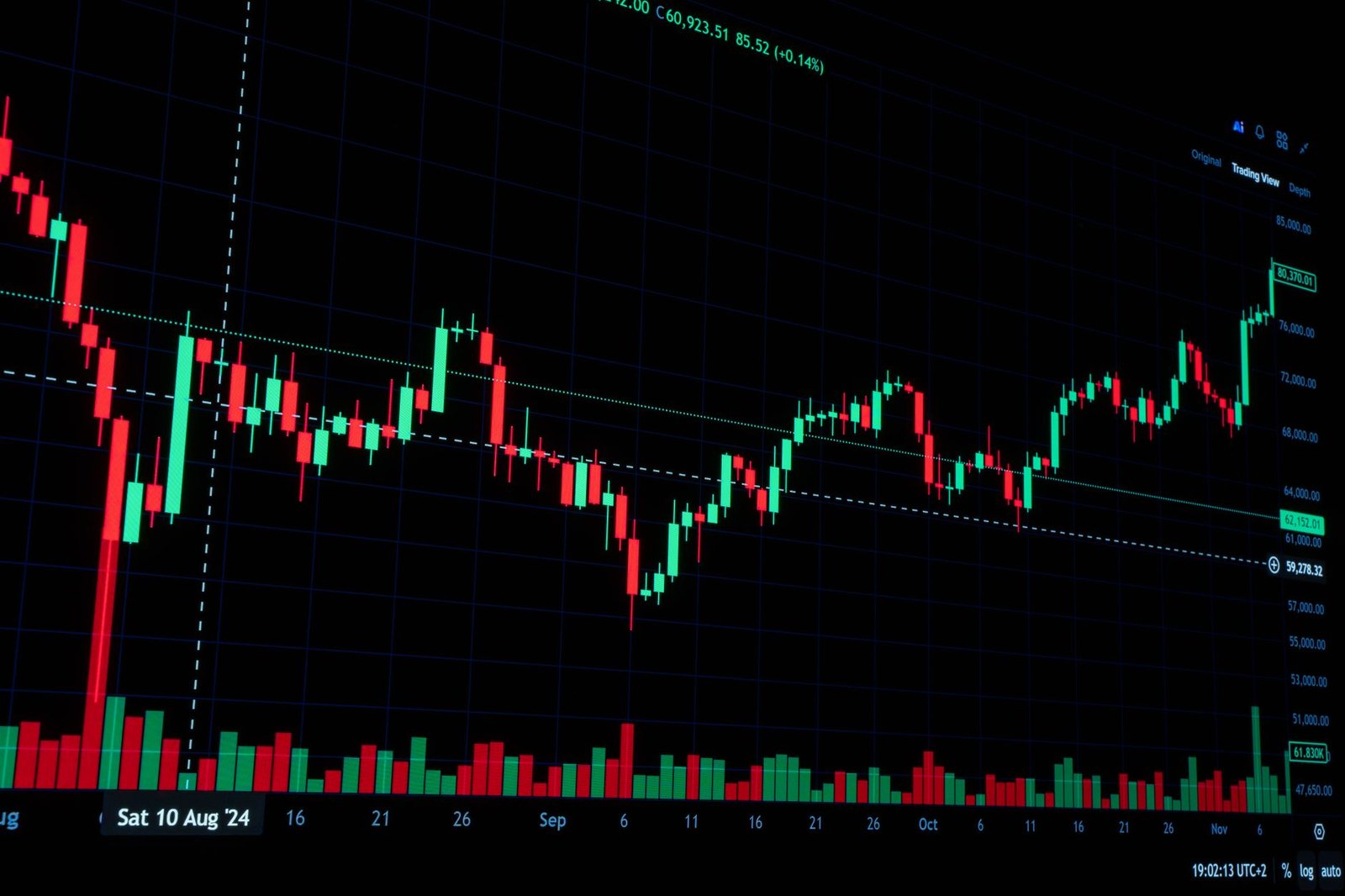
U.S. stock futures pointed lower in early trading, with technology shares leading the retreat as bond yields climbed and oil prices moved higher — a combination that tends to squeeze valuations across Wall Street.
Futures tied to the S&P 500 fell roughly half a percent, while contracts linked to the tech-heavy Nasdaq dropped around 1.2%, signaling a cautious open for U.S. equities. The move reflects a familiar pattern: when bond yields rise, the appeal of future corporate profits — especially those of high-growth technology companies — tends to fade in the eyes of investors.
Rising oil prices added another layer of pressure. Higher energy costs can push inflation higher, which in turn gives the Federal Reserve less room to cut interest rates. That dynamic weighs on stocks broadly, but hits growth-oriented sectors like technology hardest, since those companies are valued heavily on earnings expected years down the road.
Large-cap technology names were among the biggest drags on the futures market. These stocks carry significant weight in both the S&P 500 and the Nasdaq, meaning even modest declines in a handful of names can move the broader index meaningfully. When bond yields — the return investors get from holding government debt — rise, those yields become a more attractive alternative to riskier assets like stocks, putting further pressure on prices.
The dual headwinds of higher yields and rising energy costs present a challenge for markets that have largely priced in a supportive economic backdrop. Investors are now recalibrating expectations around how quickly the Fed may ease monetary policy — or whether it will at all — if inflation pressures persist.
This kind of market environment rewards patience. Volatility in futures does not always translate directly into the final closing prices, and conditions can shift as the trading session unfolds and fresh data comes in.
Investors will be watching upcoming inflation and energy data closely to gauge whether these pressures are temporary or signal a stickier shift in the outlook.