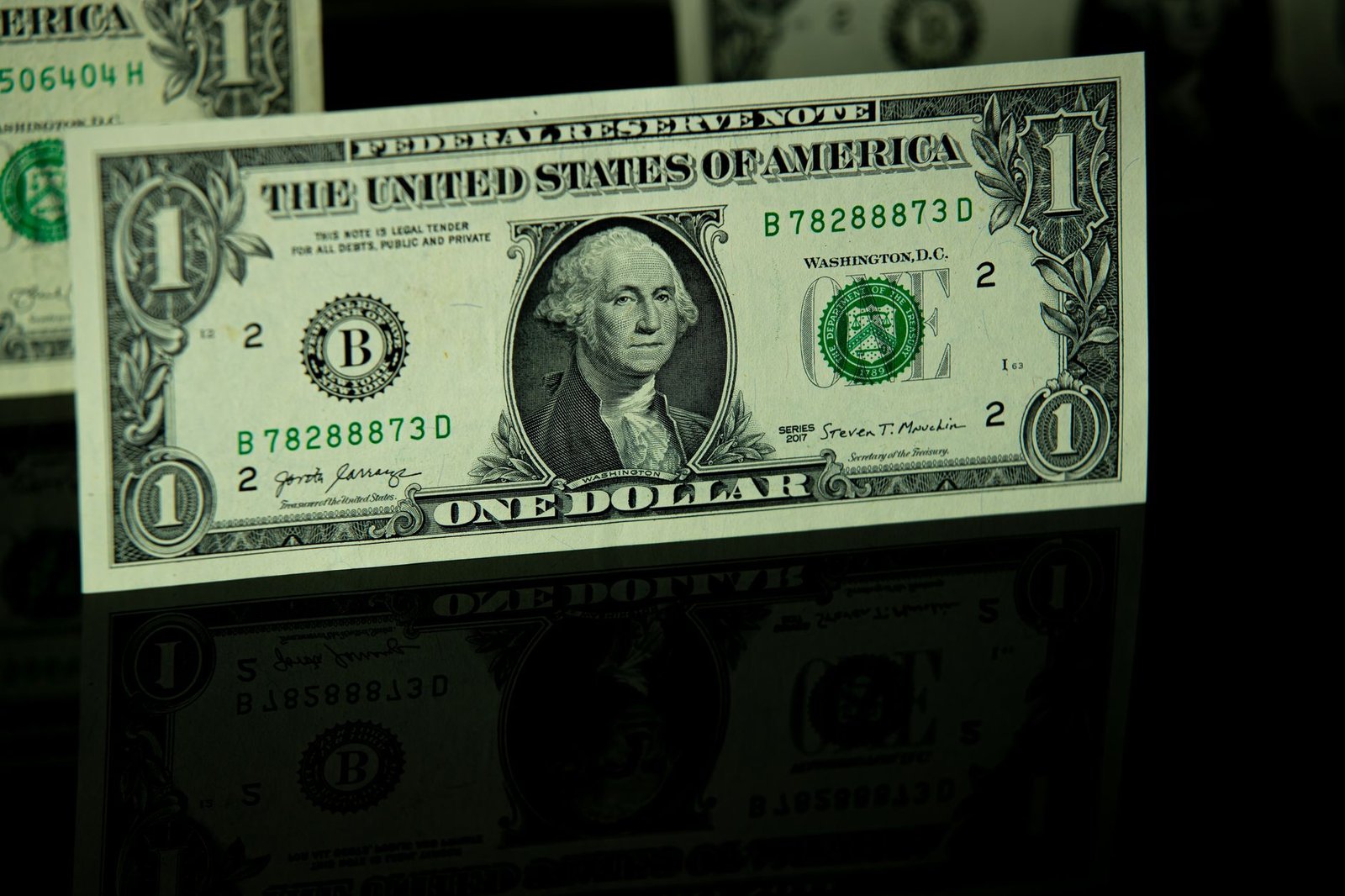
U.S. stocks reversed early gains and closed sharply lower after the Federal Reserve raised interest rates, with the Dow Jones Industrial Average shedding roughly 750 points in the session.
Wall Street turned negative in a meaningful way after the Federal Reserve announced another increase in its benchmark interest rate. The Dow Jones Industrial Average dropped around 750 points, while broader indexes also fell. The reversal was sharp — stocks had been higher earlier in the session before the Fed’s decision hit markets.
The pattern is familiar. When the Fed raises rates, borrowing becomes more expensive for businesses and consumers alike. That can slow spending, reduce corporate profits, and make stocks look less attractive compared to safer assets like bonds, which now pay higher yields. Investors often sell stocks and move into bonds when rate expectations shift higher.
What made this session notable was the early optimism that quickly gave way to selling. Markets sometimes rally ahead of a Fed decision if investors hope for a milder tone from policymakers. When the announcement or the Fed’s accompanying language disappoints those hopes, the pullback can be swift.
The Fed has been using rate increases as its main tool to bring inflation down toward its 2% target. Higher rates slow the economy by making loans — mortgages, car loans, business credit — more costly. The central bank must balance that brake on growth against the risk of pushing the economy into a downturn.
Bond yields typically rise when the Fed tightens policy, and the dollar often strengthens as well. Both of those moves can add pressure to stocks, particularly shares of companies that carry heavy debt or earn a large share of their revenue overseas.
Investors will now focus on any guidance the Fed offered about future rate moves and whether policymakers signaled a pause or further increases ahead. That forward guidance often shapes market direction more than the rate decision itself.
Watch for how bond yields and the dollar settle in coming sessions — their direction will offer clues about where markets go from here.