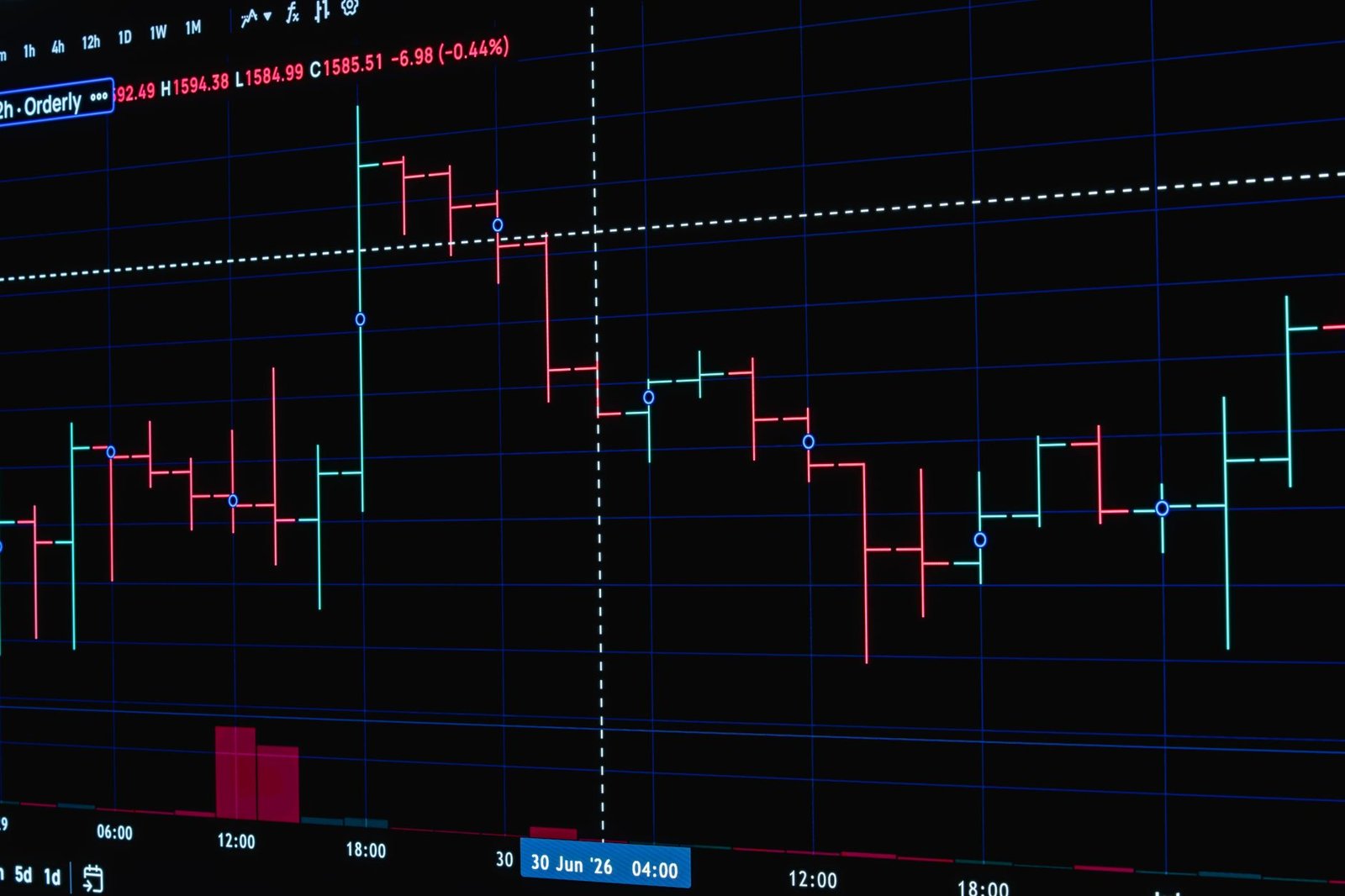
Japanese equities moved higher after the Bank of Japan raised interest rates, even as the yen softened and government bond yields declined — a combination that at first glance appears contradictory but reflects distinct forces at work in Japan’s market.
The Bank of Japan raised its benchmark interest rate in its latest policy decision, a move that would typically be expected to strengthen the yen and push bond yields higher. Instead, both went the other way — and stocks rose. Understanding why requires a look at how markets in Japan are wired differently from those in the United States or Europe.
When a central bank raises rates, it usually makes that country’s currency more attractive to foreign investors seeking higher returns. But the yen’s direction depends heavily on the gap between Japanese interest rates and those elsewhere — particularly in the United States. If markets believe U.S. rates will remain high, or that the Bank of Japan’s hike is modest and unlikely to be followed by more, the yen can still drift lower even after a rate increase.
Japanese government bond yields — the interest rate the government pays to borrow money — also fell rather than rose. This can happen when investors interpret the central bank’s action as nearing the end of a tightening cycle, or when broader global demand for safe assets pulls bond prices up and yields down.
For stocks, the yen’s weakness was a tailwind. Japan’s stock market is heavily weighted toward exporters — companies that sell goods abroad and earn revenue in foreign currencies. When the yen falls, those overseas earnings translate back into more yen at home, boosting profits. That dynamic has long made Japanese equities sensitive to currency moves in ways that are less common in other large markets.
The Bank of Japan has been moving cautiously to unwind years of ultra-loose monetary policy, including negative interest rates and large-scale bond purchases. Each step in that process is watched closely, both because it signals a shift away from decades of stagnation-fighting policy and because Japan is a major creditor nation — meaning Japanese investors hold vast amounts of foreign assets that move when the yen changes direction.
For global investors, the interplay between Japan’s policy path, the yen, and Japanese stocks remains one of the more complex dynamics in international markets. A weaker yen boosts exporters today, but a sustained tightening cycle could eventually tip that balance.
Investors will be watching the Bank of Japan’s next communications closely for signals on the pace and scale of any further rate moves.