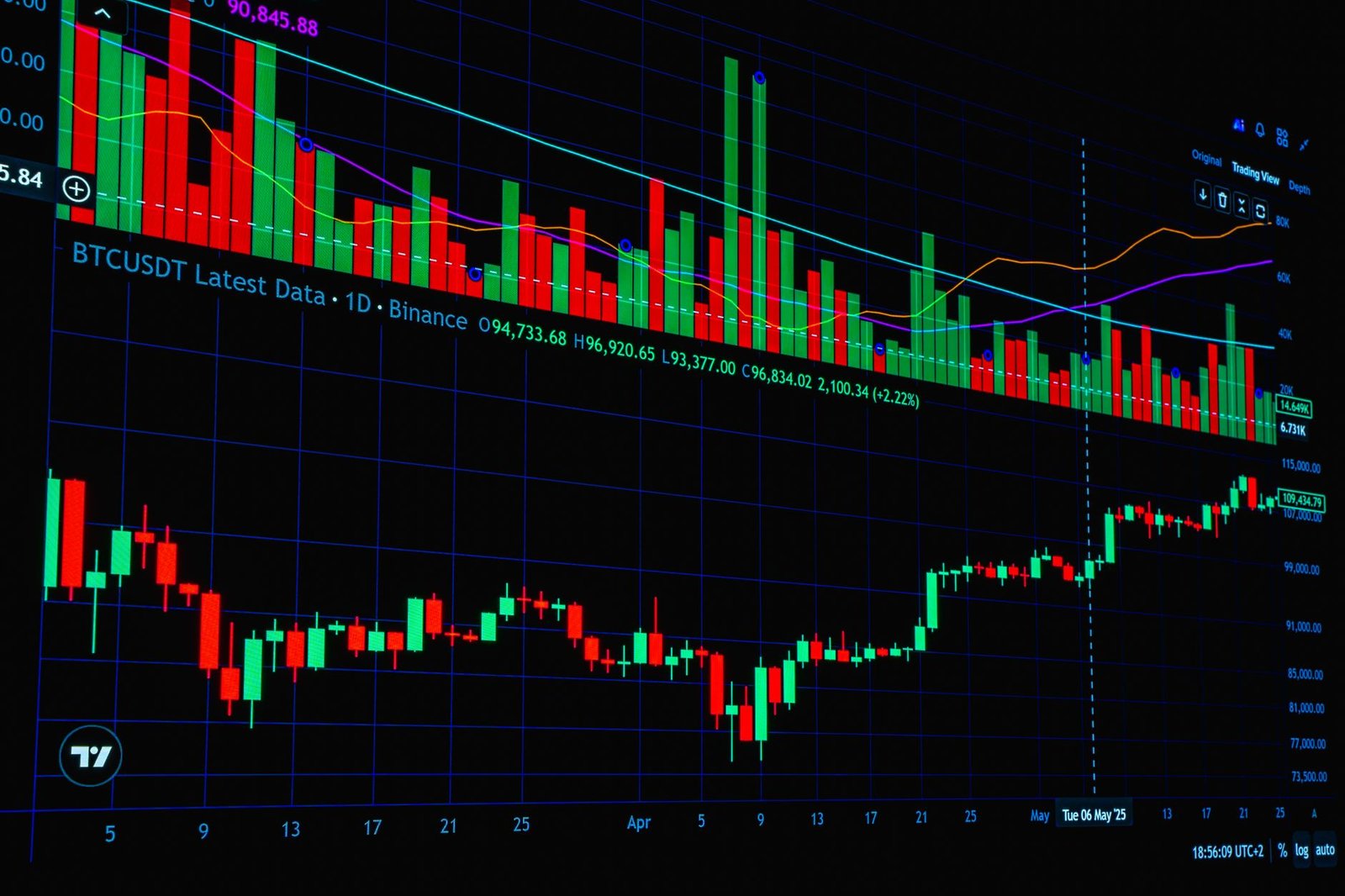
Stock markets around the world moved in opposite directions after a fresh round of central bank interest rate decisions, reflecting how differently economies are absorbing the weight of tighter monetary policy.
Central banks in multiple countries delivered interest rate decisions in recent sessions, and the reaction across global equity markets was far from uniform. Some markets held steady or gained while others pulled back, a pattern that underscores how uneven the global rate-hiking cycle has become.
Higher interest rates are designed to slow inflation by making borrowing more expensive. But they also weigh on company profits and consumer spending, which can drag on stock prices. When different economies are at different points in that cycle — some still hiking, others pausing or cutting — markets in each region tend to respond to their own local conditions rather than moving in lockstep.
The divergence seen in recent trading is a reminder that investors are not simply reacting to one global signal. Instead, they are weighing local growth prospects, how close each central bank might be to cutting rates, and whether corporate earnings can hold up under pressure from higher borrowing costs.
In markets where central banks signaled a continued commitment to higher rates, stocks faced headwinds. Elevated rates push up the return available on lower-risk assets like government bonds, which can pull money away from equities. In markets where rate expectations are shifting toward a peak or eventual easing, investors have been more willing to buy.
The broader backdrop is one of caution. Global growth remains uneven, inflation has not fully returned to target in most major economies, and central banks have been careful not to signal premature victory. That leaves equity investors in a holding pattern, sensitive to any shift in tone from policymakers.
The next wave of inflation and growth data from major economies will be closely watched for clues on how much further central banks still need to go.