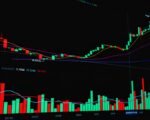
South Korea’s main stock index surged roughly 2.81% in recent trading, as falling oil prices and a Federal Reserve rate move combined to ease investor concerns about persistent global inflation.
South Korea’s KOSPI benchmark posted one of its strongest single-session gains in recent months, climbing approximately 2.81% as a confluence of global factors shifted investor sentiment toward optimism. Two forces drove the rally: a meaningful decline in crude oil prices and a Federal Reserve interest rate decision that markets read as a step toward taming inflation.
Falling oil prices matter because energy costs feed directly into inflation across nearly every economy. When oil drops, businesses face lower input costs, households spend less at the pump, and central banks gain more room to maneuver. For an energy-importing nation like South Korea, cheaper crude is a particular relief — it reduces the country’s import bill and eases pressure on the won, South Korea’s currency.
The Fed’s rate move added a second layer of relief. When the U.S. central bank acts to bring inflation under control, it signals to global investors that price pressures in the world’s largest economy may be nearing a turning point. That kind of signal tends to lift risk appetite — investors feel more comfortable holding equities when the inflation outlook appears to be stabilizing rather than worsening.
Equity markets in Asia and beyond have been sensitive to both oil prices and Fed guidance throughout this rate cycle. Elevated global inflation has weighed on corporate profit outlooks and pushed bond yields higher, making stocks look less attractive by comparison. A simultaneous pullback in oil and a clearer Fed path can quickly reverse that calculus.
The KOSPI’s move reflects how interconnected global markets have become. A policy decision in Washington and a shift in commodity prices can ripple into Seoul within hours, reshaping the earnings expectations of South Korean exporters, manufacturers, and financial firms alike. Analysts will now watch whether this relief holds or proves short-lived, depending on how durably oil prices stay lower and how markets digest the full details of the Fed’s latest guidance.
The durability of the rally will depend on whether oil prices remain subdued and whether incoming global inflation data confirms that price pressures are genuinely easing.