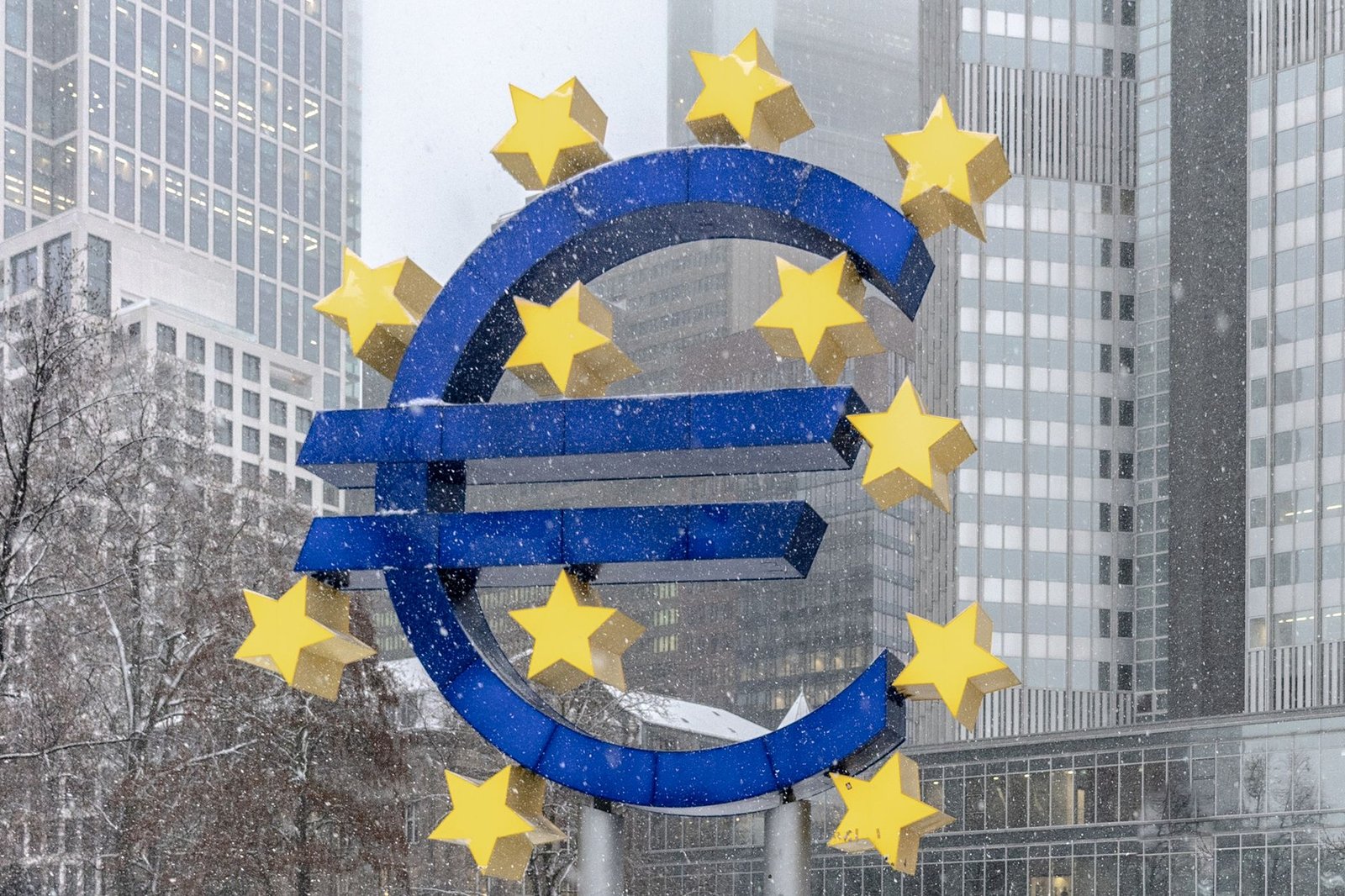
Major central banks are continuing to tighten monetary policy as inflation remains persistently above their targets. The coordinated global push to bring prices under control is putting pressure on borrowing costs, growth, and financial markets across multiple continents.
From North America to Europe and Asia, central banks are holding or raising interest rates in a sustained effort to squeeze inflation out of their economies. The broad-based tightening cycle — one of the most synchronized in modern financial history — reflects how widespread the inflation problem has become since the pandemic disrupted supply chains and governments deployed large-scale stimulus spending.
Tighter monetary policy works by making borrowing more expensive for households and businesses. When loans cost more, people tend to spend less and companies invest less. That slower demand, over time, tends to pull prices down. But the process is slow, and central banks face a difficult balancing act: raise rates too far, too fast, and they risk tipping economies into recession; move too slowly, and inflation becomes entrenched.
The U.S. Federal Reserve has been among the most aggressive in this cycle, lifting its benchmark rate sharply from near zero. The European Central Bank followed a similar path to contain eurozone inflation. The Bank of England has also raised rates repeatedly, even as the U.K. economy shows signs of strain. In Asia, several central banks have moved in the same direction, though policymakers in countries like Japan have taken a more cautious approach given different inflation dynamics.
For everyday borrowers, the effects are tangible. Mortgage rates, car loan costs, and credit card interest rates are all higher than they were just a few years ago. For investors, higher rates mean that safe assets like government bonds offer more competitive returns — making riskier assets like stocks relatively less attractive, and adding pressure to equity valuations.
The global nature of this tightening cycle also creates cross-border ripple effects. Rising rates in the U.S. tend to strengthen the dollar, which can squeeze emerging-market economies that hold dollar-denominated debt. A stronger dollar also makes imported goods cheaper in the U.S. while making American exports more expensive abroad, shaping trade flows around the world.
Central bankers have signaled they are watching incoming economic data closely before deciding on further moves. Inflation data, jobs reports, and consumer spending figures will all influence whether rates stay where they are, rise further, or eventually begin to come down. Markets are pricing in a period of rates remaining elevated, even as growth expectations in many economies are being revised lower.
How long central banks hold rates at restrictive levels — and whether inflation cooperates — will be the defining economic question of the months ahead.