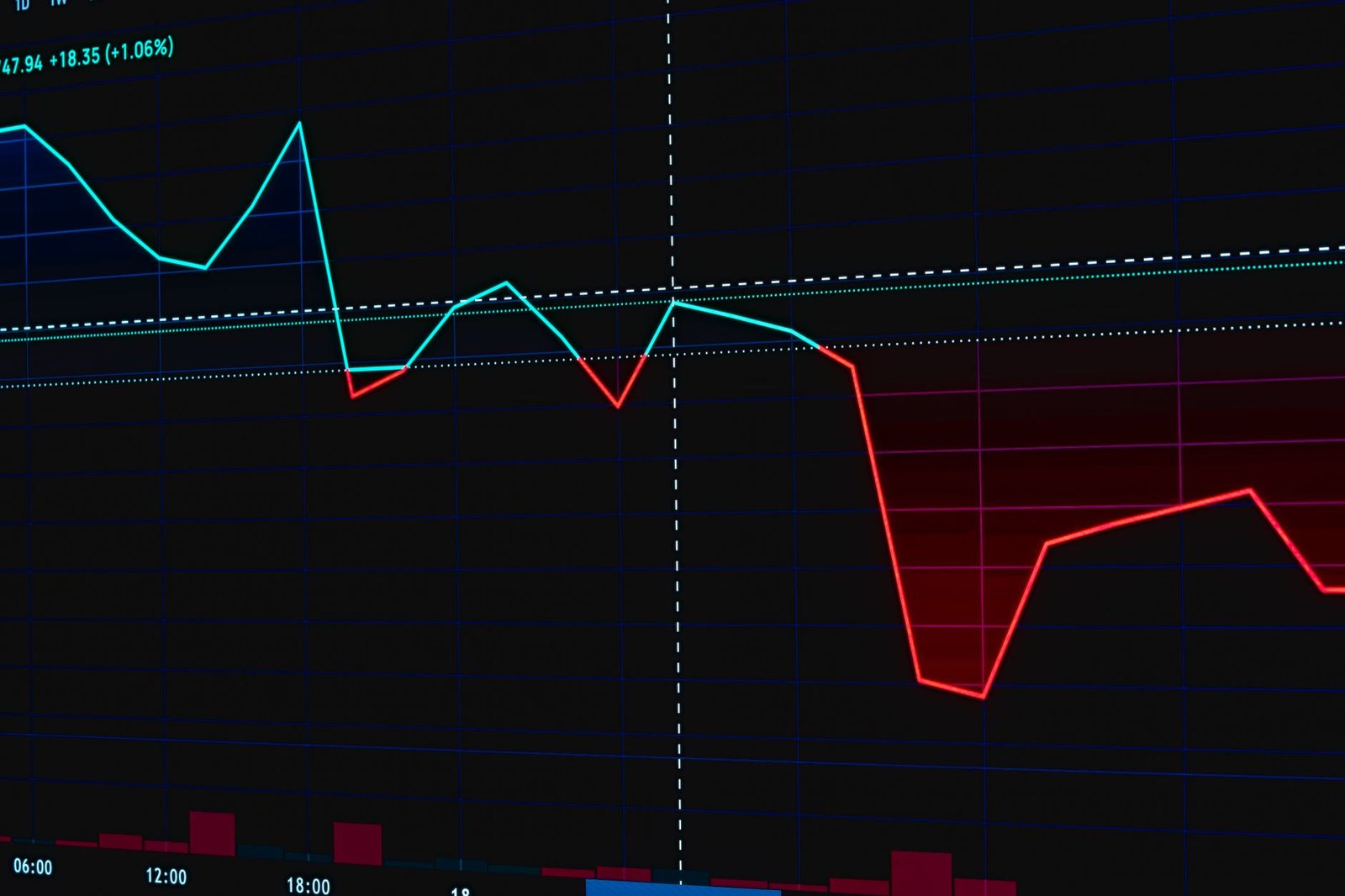
U.S. stocks fell in recent trading as pressure in the bond market intensified, with investors growing more worried that inflation may prove harder to tame than hoped. Higher yields on government bonds made equities look less attractive, triggering a broad market pullback.
American stocks slipped as bond market pressure weighed on investor sentiment, with inflation concerns moving back to the center of attention. When yields on U.S. Treasury bonds rise, borrowing costs go up across the economy — for businesses, homebuyers, and consumers alike — and the appeal of holding stocks tends to fade.
Bond yields and bond prices move in opposite directions. When investors sell bonds — often because they expect inflation to stay high or the Federal Reserve to keep rates elevated — prices fall and yields climb. That is the dynamic that appeared to be at work in recent sessions, putting pressure on equity markets.
Inflation worries have proven stubborn this cycle. Even as the Fed raised interest rates aggressively over the past few years to cool price growth, pockets of the economy have continued to push prices higher. Any sign that inflation is re-accelerating tends to unsettle investors, who fear it could delay or reverse Fed rate cuts.
Higher interest rates are a double burden for stocks. They raise the cost of doing business for companies, which can squeeze profits. They also reduce the present value of future earnings — meaning investors are willing to pay less today for the same stream of profits tomorrow. Both effects tend to push stock prices lower when rates and yields rise.
The move also reflects a broader recalibration in markets. Earlier in the year, many investors had expected the Fed to begin cutting rates at a steady pace. If inflation data continues to come in hotter than expected, those expectations may have to be scaled back, leaving bond yields higher for longer.
We are watching upcoming inflation data releases and Fed communications closely for signs of whether this latest bout of anxiety reflects a short-term repositioning or a more sustained shift in market thinking.
The next major inflation reading will be a key test of whether this bond market pressure eases or deepens.