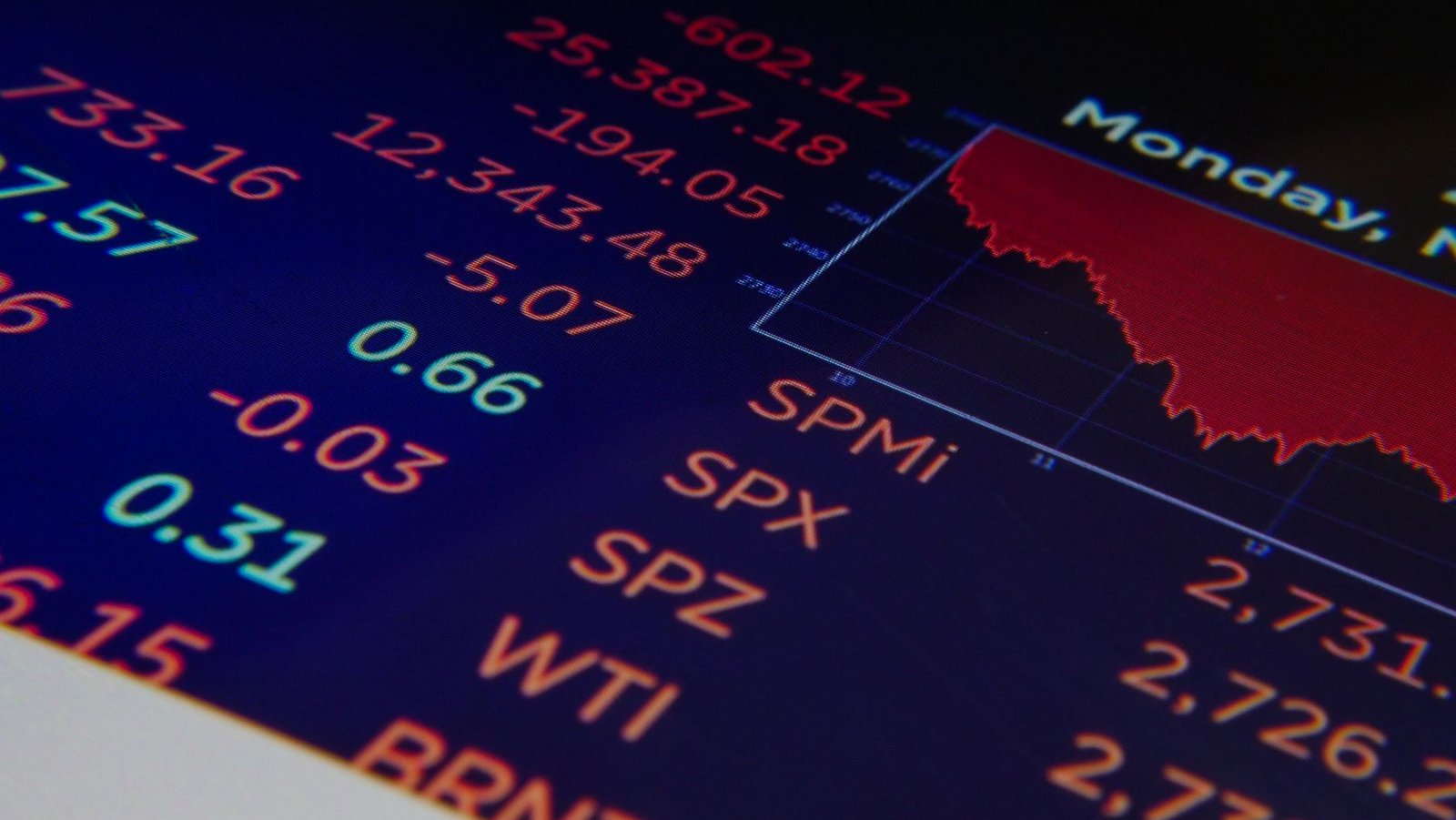
Wall Street fell in recent trading as bond yields climbed and renewed inflation concerns weighed on investor sentiment. The dual pressure from higher borrowing costs and sticky prices rattled equity markets across the board.
U.S. stocks closed lower as a combination of rising Treasury yields and persistent inflation anxiety pushed investors toward the exits. The selloff reflected a familiar tension in financial markets: when yields rise, the appeal of stocks — particularly those priced for future growth — tends to fall.
Bond yields move in the opposite direction of bond prices. When investors sell bonds, yields go up. Higher yields matter for stocks because they raise the cost of borrowing for businesses and make safer fixed-income investments relatively more attractive. When the return on a government bond rises, investors often demand more from riskier assets like stocks to justify holding them.
Inflation remains a central concern driving this dynamic. If prices stay elevated, the Federal Reserve may feel less room to cut interest rates — or could even hold them higher for longer than markets had expected. That prospect tends to dampen enthusiasm for equities, particularly in sectors sensitive to borrowing costs such as technology and real estate.
The latest market moves come at a time when investors are carefully parsing economic data for clues about the Fed’s next steps. A string of firmer-than-expected price readings in recent months has complicated hopes for a swift easing cycle. Markets have repeatedly had to dial back expectations for rate cuts as inflation proves more stubborn than forecast.
Broader sentiment was also cautious. A risk-off mood — where investors pull back from riskier assets and seek safer ground — was evident across asset classes, with equities bearing much of the pressure.
Investors will be watching upcoming inflation data and Fed communications closely for any sign that the rate outlook is shifting.