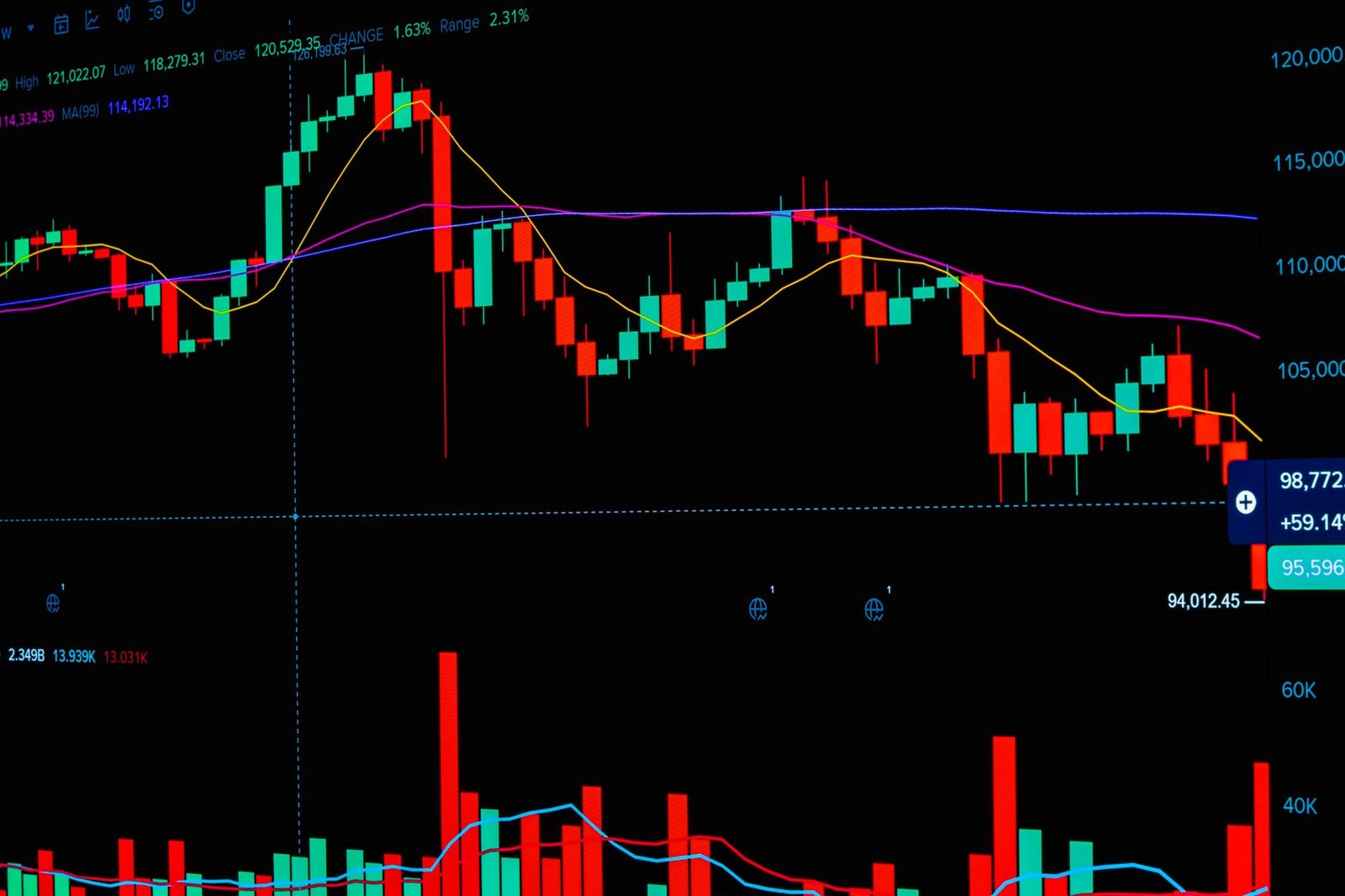
Interest rates are emerging as a fresh source of worry for global markets, with elevated borrowing costs putting pressure on stocks, bonds, and growth expectations across major economies.
Global financial markets are grappling with the renewed stress of high interest rates, as investors reassess how long borrowing costs will remain elevated and what that means for economic growth, corporate profits, and government finances worldwide.
When interest rates stay high for an extended period, the effects ripple across the economy. Companies pay more to borrow money for investment and expansion. Consumers face higher costs on mortgages, car loans, and credit cards. Governments carry heavier debt-service burdens. Together, these pressures slow spending and can weigh on economic output.
For markets, the concern is twofold. First, higher rates make bonds more attractive relative to stocks, which can pull investment dollars away from equities. Second, if rates remain elevated long enough, they risk tipping economies that are already slowing into outright contraction.
The worry is not confined to the United States. Central banks in Europe, the United Kingdom, and parts of Asia have also kept rates at historically high levels in their own battles against inflation. That synchronized tightening has left the global economy with less financial breathing room than in previous cycles. While inflation has cooled considerably from its peaks, it has not fully returned to the targets that most major central banks have set, giving policymakers limited room to cut rates quickly.
Bond markets, often seen as a forward-looking gauge of economic sentiment, have been particularly sensitive to the rate outlook in recent sessions. When yields rise — meaning bond prices fall — it signals that investors expect rates to stay higher for longer, which in turn raises the cost of capital across the entire economy. Equity markets have historically struggled in that environment, especially for sectors that carry heavy debt or depend on cheap financing.
The question now for investors and policymakers alike is whether central banks have done enough to bring inflation under control, or whether further restraint will be needed — and at what cost to growth.
The path of global interest rates remains the single most important variable for markets in the months ahead, and any shift in central bank guidance will be closely watched.