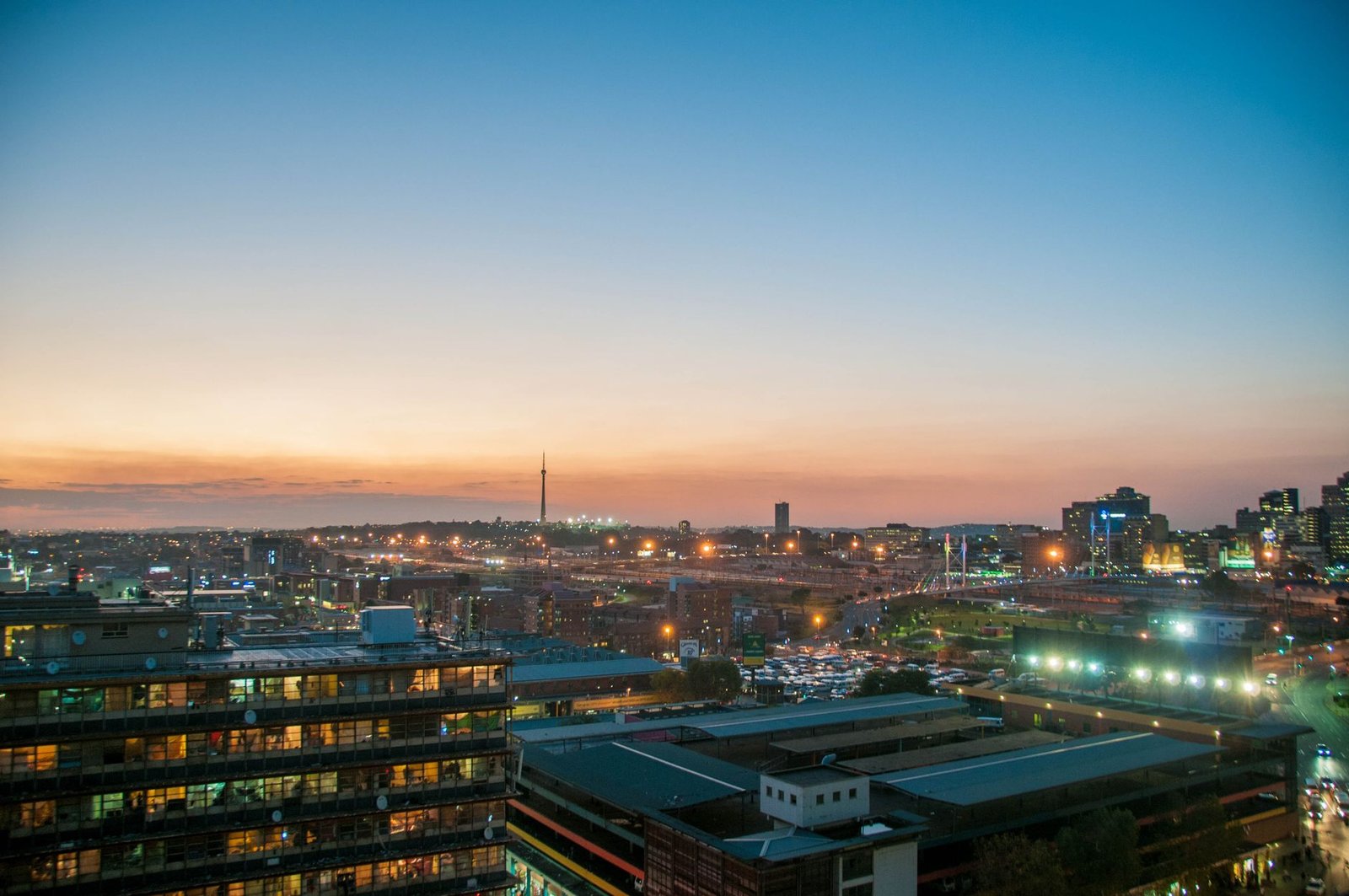
South Africa’s economy is showing fresh signs of strain, with a combination of sluggish growth, persistent unemployment, and infrastructure failures continuing to weigh on one of Africa’s largest economies.
South Africa is grappling with a difficult economic outlook as several long-running pressures converge. Power shortages, weak business confidence, and a fragile fiscal position are among the factors dragging on growth, with little near-term relief in sight for ordinary households and investors alike.
The country’s unemployment rate remains among the highest in the world for a major economy, a problem that has resisted improvement through multiple growth cycles. When jobs are scarce and consumer spending power is limited, the broader economy has little engine to pull it forward — and that dynamic has persisted in South Africa for years.
Electricity supply has been a central problem. Rolling blackouts, known locally as load shedding, have disrupted manufacturing, retail, and services for an extended period. Even when the grid stabilizes temporarily, businesses carry the added cost of backup generators and lost productivity, which eats into profits and discourages new investment.
On the fiscal side, South Africa’s government debt has grown steadily relative to the size of the economy. Higher debt means more of the national budget goes toward interest payments, leaving less room for the kind of infrastructure spending or social investment that could lift long-term growth. The South African Reserve Bank has also had to balance the fight against inflation against the risk of tightening too much in an already weak economy — a difficult trade-off that other emerging-market central banks share.
Global conditions add another layer of difficulty. A stronger U.S. dollar tends to put pressure on emerging-market currencies like the South African rand, making imports more expensive and increasing the cost of dollar-denominated debt. Slower growth in China — a key buyer of South African commodities such as platinum and iron ore — can also reduce export revenues at a time when the country can least afford it.
Taken together, these pressures suggest South Africa’s near-term economic path remains challenging, even if the country avoids an outright contraction.
Investors and policymakers will be watching whether structural reforms — particularly in energy and logistics — gain enough momentum to shift the growth trajectory in the months ahead.