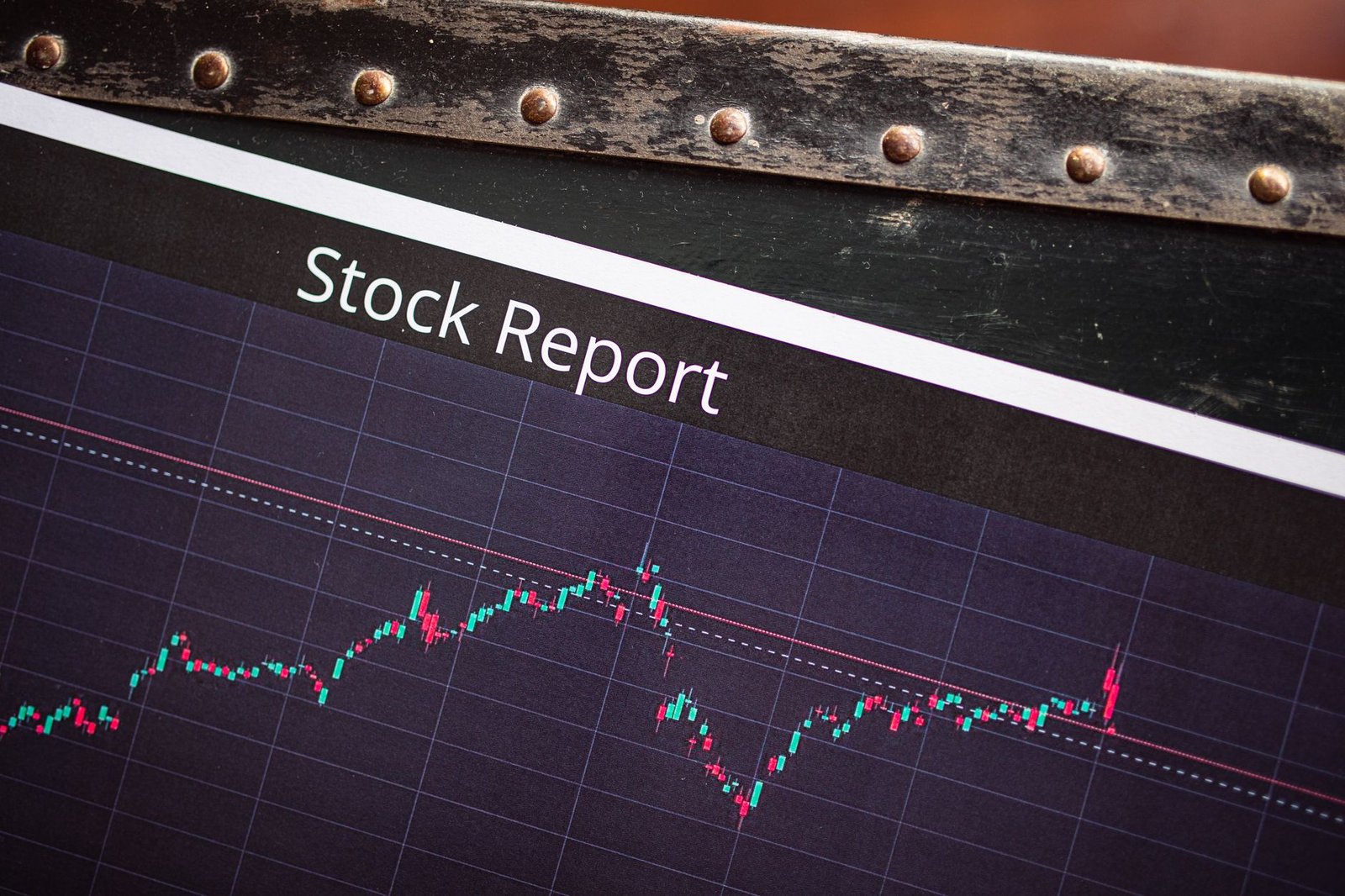
U.S. Treasury yields climbed in recent trading, dragging stock prices lower and widening the gap between equity markets and their recent record levels. The move reflects a familiar tension: when bonds offer higher returns, stocks become comparatively less attractive.
U.S. stock indexes retreated as bond yields pushed higher, keeping major equity benchmarks well below the record levels they touched earlier this year. The sell-off underscores how sensitive markets remain to shifts in borrowing costs — a dynamic that has defined much of this investment cycle.
When yields rise, the calculus for investors changes. Bonds — considered safer than stocks — begin to compete more directly for investor money. At the same time, higher yields raise the cost of borrowing for companies, which can weigh on corporate profits over time. Both forces tend to put downward pressure on stock prices.
The move in yields comes as investors continue to reassess the path ahead for interest rates. Stronger-than-expected economic data or signs that inflation is not cooling as quickly as hoped can push yields upward, as traders price in the possibility that the Federal Reserve may keep rates higher for longer. While the Fed has begun easing policy, markets remain alert to any signals that the pace of future cuts could slow.
Treasury yields serve as a benchmark for borrowing costs across the economy — from mortgages to corporate loans. When they rise sharply, the ripple effects can be felt well beyond Wall Street. Housing affordability, business investment, and consumer credit all tend to tighten when the yield on government debt climbs.
For stock investors, the recent pullback is a reminder that record highs are rarely maintained without interruption. Equity markets have had a strong run in recent years, and periodic retreats driven by bond market moves are a normal feature of the investment landscape, not a sign of structural breakdown.
Investors will be watching upcoming economic data and Fed communications closely for clues on whether yields have further room to climb.