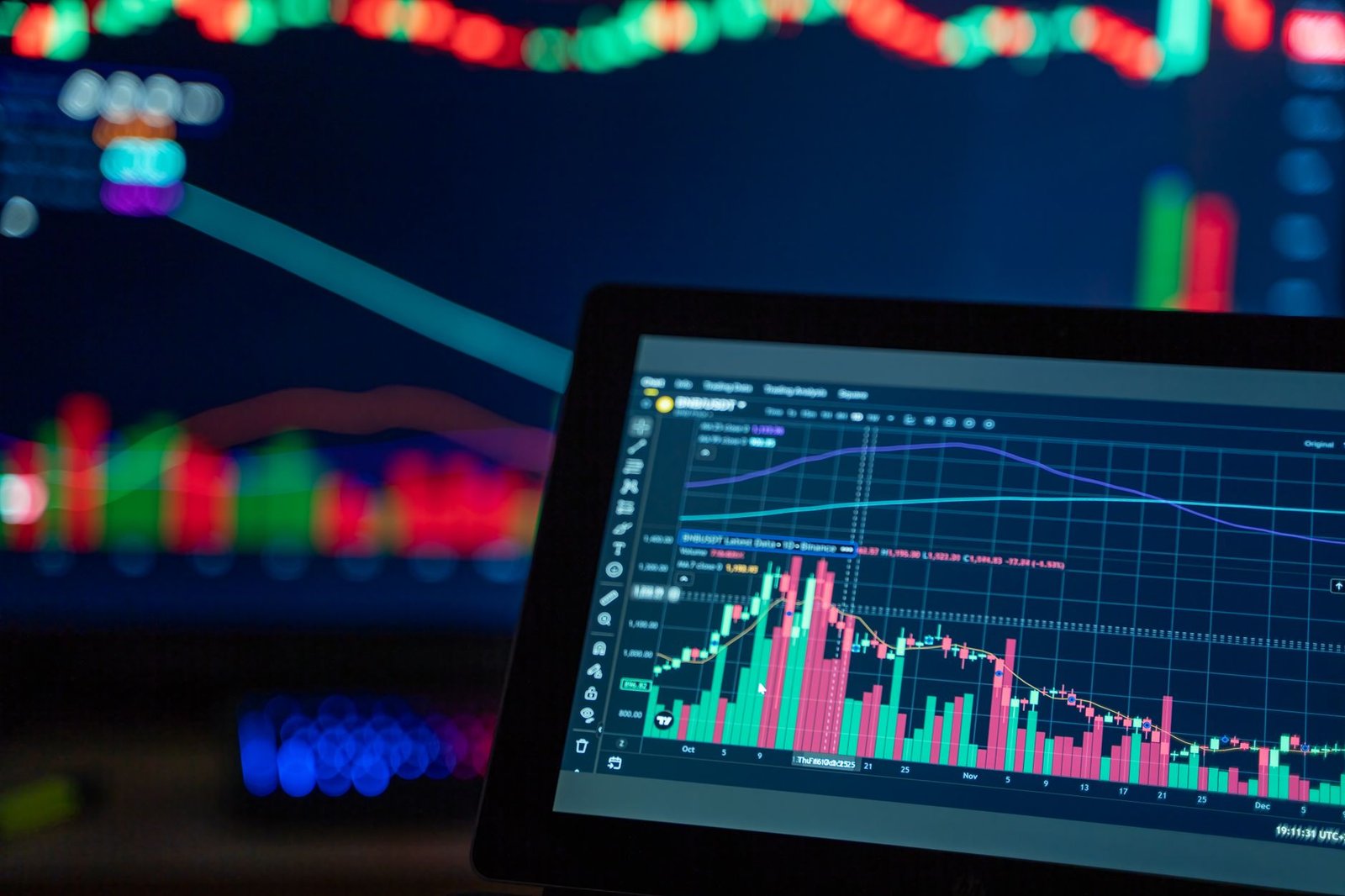
For cryptocurrency traders, prices may be set globally, but the rules — and the risks — are decided at home. Understanding that gap is increasingly important as regulators tighten their grip in markets around the world.
Bitcoin and other digital assets trade around the clock on exchanges spanning dozens of countries. A price move in Asia ripples through Europe before Wall Street opens. On the surface, crypto looks like the most global market in existence.
But that picture is incomplete. The regulatory environment, tax treatment, access to exchanges, and even which currencies traders use to buy and sell digital assets all depend heavily on where a trader lives. Those local conditions can make a significant difference to returns — and to legal exposure.
Consider liquidity. In large, developed markets, traders can usually move in and out of positions quickly and at prices close to the global benchmark. In smaller or more restricted markets, the spread between buying and selling prices can be wider, and access to major trading platforms may be limited by law or by a lack of local banking partners willing to work with crypto businesses.
Currency risk adds another layer. A trader in an emerging market who buys a dollar-denominated digital asset is taking on two bets at once: one on the crypto price, and one on the exchange rate between the local currency and the dollar. If the local currency weakens, gains on paper may shrink or disappear entirely when converted back.
Regulation is perhaps the sharpest dividing line. Some jurisdictions have moved toward clear licensing frameworks for crypto exchanges and service providers. Others have imposed outright bans or heavy restrictions. Traders in tightly regulated or restricted environments face higher compliance costs, fewer platform choices, and in some cases real legal uncertainty about whether their activity is permitted at all.
Tax treatment varies just as widely. In some countries, crypto gains are taxed as capital gains; in others, as ordinary income; in a handful, they are not formally taxed at all — though that is changing. Traders who operate across borders face the additional complexity of understanding which jurisdiction claims the right to tax their activity.
None of this means crypto is not a global asset class. It is. But global prices do not mean uniform conditions. Local market structure, regulation, currency, and tax rules all shape the real-world outcome for any individual trader.
As regulators in more countries move to bring crypto activity under formal oversight, the gap between global price discovery and local market conditions is likely to narrow — but it will not disappear soon.