Rising hostilities between the United States and Iran are drawing fresh attention to oil prices and energy markets worldwide. A significant escalation could ripple quickly through fuel costs, inflation, and global growth.
When tensions flare between the U.S. and Iran, energy markets pay close attention. Iran sits among the world’s major oil producers, and any disruption to its output — or to the critical shipping lanes it neighbors in the Strait of Hormuz — can tighten global oil supply quickly. A tighter supply, all else equal, pushes prices higher.
Oil is a foundational input for the global economy. When crude prices rise sharply, households pay more at the pump, airlines and shippers face higher operating costs, and manufacturers see their raw-material bills climb. That broad pressure can feed through into consumer prices — what economists call cost-push inflation — making life harder for central banks that are already managing price stability.
For the U.S. Federal Reserve and its peers in Europe and Asia, a sustained oil price spike complicates policy decisions. If energy costs lift headline inflation while the broader economy is slowing, policymakers face a difficult trade-off between fighting prices and supporting growth. That scenario is sometimes called stagflation risk, meaning weak growth paired with high inflation.
Financial markets tend to react to geopolitical stress in predictable ways. Investors often move toward safer assets — U.S. Treasury bonds, gold, and the dollar — while stocks in energy-intensive industries may come under pressure. Energy company shares, by contrast, can benefit from higher oil prices, at least in the short term.
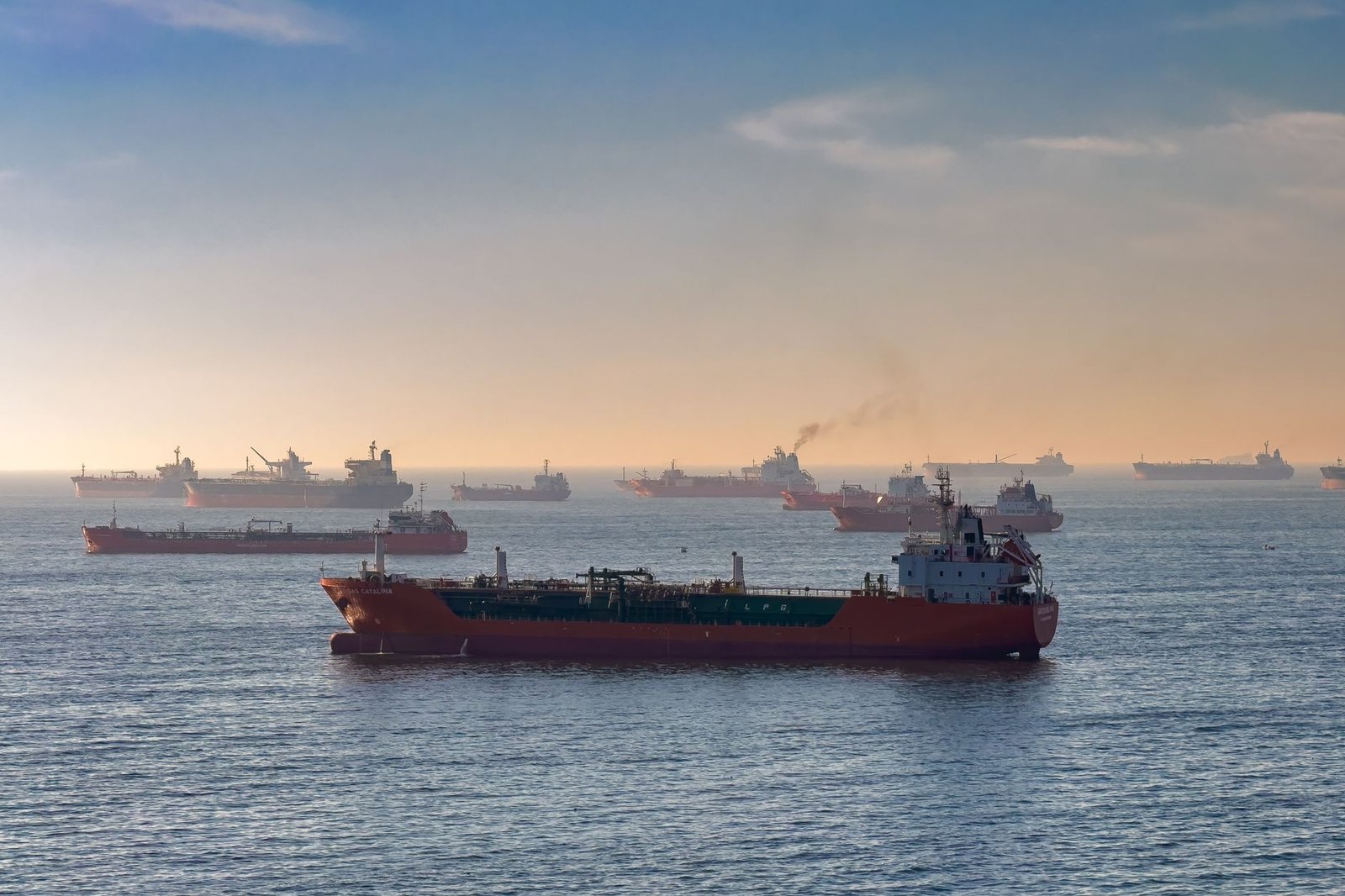
The Strait of Hormuz is the world’s most important oil chokepoint. Roughly one-fifth of global oil trade passes through it. Any threat to that passage — even a credible one — is enough to move crude benchmarks, because traders price in the risk of supply disruption before it actually occurs.
It is worth noting that oil markets are also shaped by other forces: OPEC production decisions, U.S. shale output, global demand trends, and currency movements all matter. A geopolitical shock can amplify or offset those factors depending on the circumstances. The net effect on prices and the broader economy depends heavily on how long tensions persist and whether they translate into actual supply disruptions.
Energy prices and central bank responses will be the key variables to watch as the situation develops.