India’s underlying economy has shown resilience in recent months, yet the country’s benchmark stock index has fallen sharply this year — a split that raises questions about what markets are really signaling.
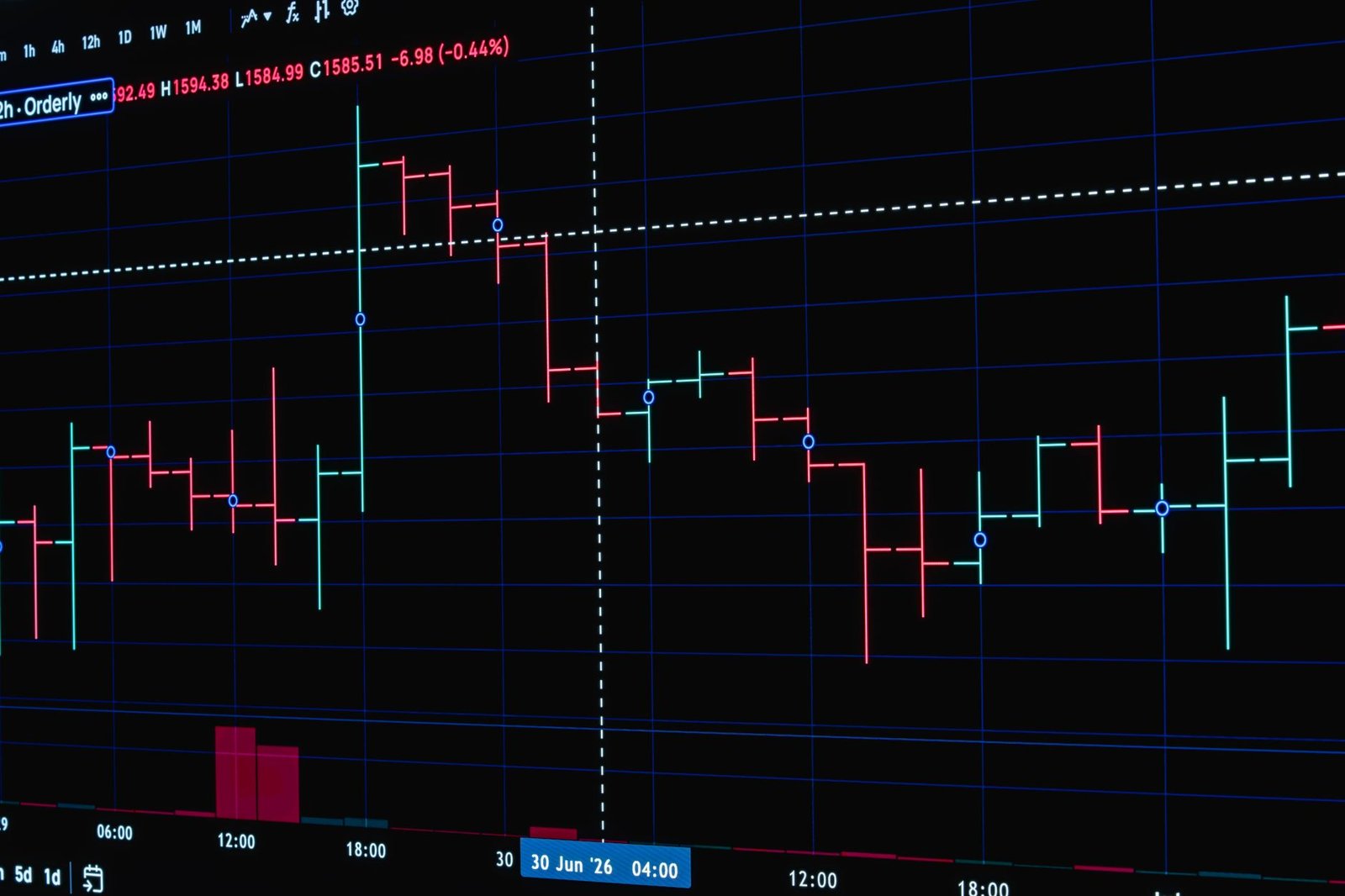
India’s Nifty 50 index, the main measure of the country’s large-cap stocks, is down roughly 13% so far this year. That is a notable decline for one of the world’s fastest-growing major economies — and it sits in tension with a run of solid economic data that points to continued growth.
When an economy and its stock market move in opposite directions, it is not always a sign that one of them is wrong. Markets are forward-looking. They price in expectations, not just current conditions. A stock index can fall even when today’s economic numbers look healthy if investors believe the road ahead looks harder.
Several pressures have weighed on Indian equities this year. Foreign investors have pulled money out of emerging markets broadly, partly in response to a stronger U.S. dollar and higher interest rates in developed economies. When global capital becomes more cautious, developing-world stock markets tend to feel it first and most sharply.
At the same time, Indian corporate earnings have faced pressure from higher input costs and slower global demand for some sectors. Valuations in Indian equities had run high coming into the year, leaving less room for disappointment. Even modest earnings misses can translate into outsized stock-price drops when starting valuations are elevated.
The macro picture, by contrast, remains broadly positive. Consumer spending has held up, services activity has stayed strong, and government infrastructure investment continues to move forward. India’s central bank, the Reserve Bank of India, has navigated a delicate balance between supporting growth and keeping inflation in check.
The gap between economic fundamentals and market performance is a reminder that stock prices reflect many things at once: current earnings, future expectations, global capital flows, currency moves, and investor sentiment. None of those factors operate in isolation. A resilient economy is a genuine positive for long-term prospects, but it does not automatically protect a stock market from short-term global headwinds.
Watch whether foreign investor flows into Indian equities stabilize — that, more than the economic data alone, is likely to determine the near-term direction of the Nifty.