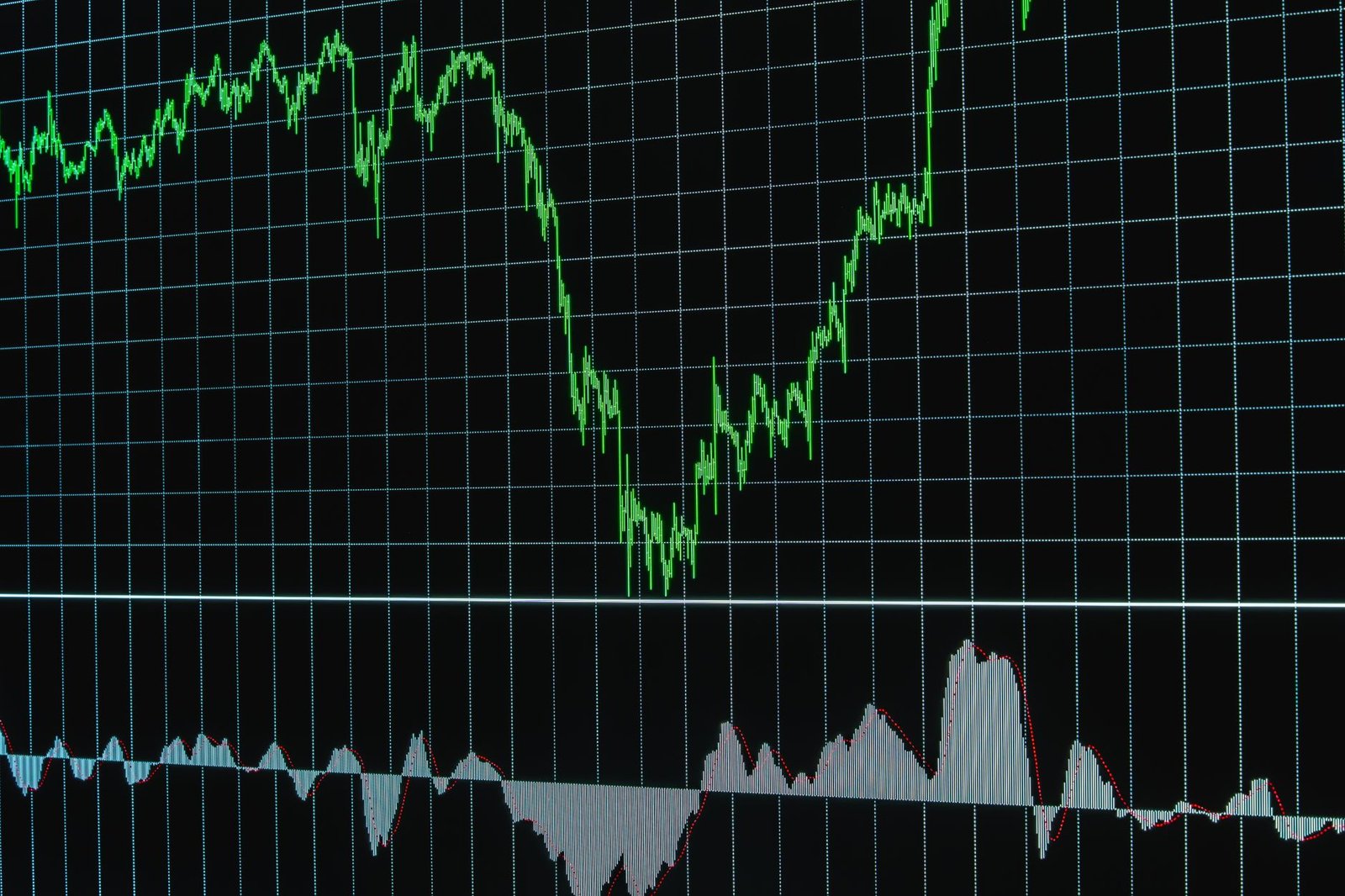
U.S. stocks advanced in recent trading, led by technology shares, after a softer-than-expected jobs reading gave investors fresh reason to believe the Federal Reserve may have room to ease interest rates further.
The Nasdaq Composite outperformed the broader market as investors digested new signs of cooling in the U.S. labor market. A pullback in hiring tends to shift Wall Street’s attention toward the possibility of Federal Reserve rate cuts, which can be especially supportive for growth-oriented technology stocks.
When hiring slows, it signals that the labor market — one of the key gauges the Fed watches alongside inflation — may be losing some of its heat. That, in turn, raises the likelihood that policymakers could lower borrowing costs to keep the economy on a steady path. Lower interest rates generally reduce the cost of capital, which tends to benefit fast-growing companies whose value is tied heavily to future earnings.
The broader S&P 500 also moved higher, though technology-heavy indices saw the sharper gains. Bond markets, which often move ahead of the Fed, were also in focus: when growth concerns rise, investors frequently move into U.S. Treasuries, pushing yields lower — a move that further supports equity valuations.
The labor market has been a central preoccupation for the Fed over the past two years. Officials have repeatedly said they want to see more balance between labor supply and demand before committing to a sustained easing cycle. Data suggesting hiring is softening — without a sharp spike in unemployment — is generally read on Wall Street as a “soft landing” signal: the economy slowing just enough to bring inflation down without tipping into recession.
Still, a single data point rarely settles the debate. Markets will be watching upcoming inflation reports and Fed communications closely to gauge whether today’s hiring data is part of a durable trend or a one-month fluctuation. The Fed has emphasized it remains data-dependent, meaning each new economic release carries real weight for the rate outlook.
Upcoming inflation data and Fed officials’ public remarks will be the next tests of whether the market’s rate-cut optimism is well-founded.