South Sudan’s president has received a briefing on investment prospects following senior-level discussions at the annual IMF and World Bank meetings, signaling the country’s continued efforts to attract outside capital amid deep economic challenges.
South Sudan’s president was recently updated on the country’s investment outlook after officials attended the annual gatherings of the International Monetary Fund and the World Bank — two of the world’s most influential financial institutions. These annual meetings bring together finance ministers, central bank governors, and development officials from across the globe to discuss the state of the world economy and coordinate financial support for lower-income nations.
For fragile and conflict-affected states like South Sudan, participation in these forums carries particular weight. The IMF and World Bank serve as critical gatekeepers for international financing, debt relief, and structural reform programs. A positive signal from either institution can open doors to broader investment flows and concessional loans — funding offered on favorable terms to support development.
South Sudan faces significant headwinds. The country has long struggled with political instability, a heavy dependence on oil revenues, and limited domestic infrastructure. A sharp fall in oil production in recent years has squeezed government finances, and the currency has faced sustained pressure. In that context, any forward movement on investment dialogue is closely watched by development economists and frontier market observers.
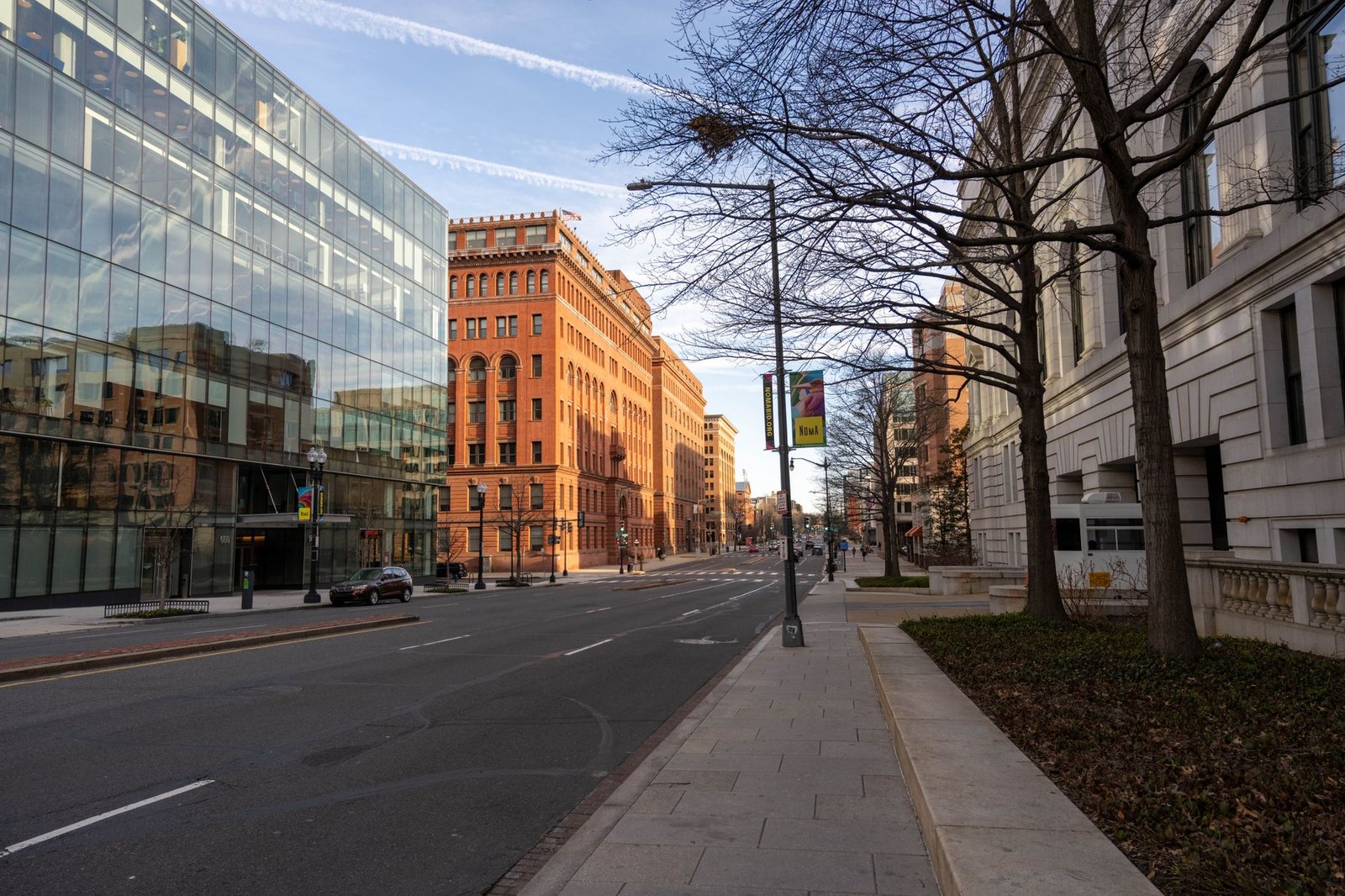
The IMF and World Bank meetings, typically held each autumn in Washington, provide a platform for smaller and developing economies to make their case to international lenders and private investors. Delegations often return with pledges of technical assistance, reform roadmaps, or signals of renewed engagement — though translating those into on-the-ground capital can take time.
Details on specific commitments or investment figures discussed at the meetings were not immediately available. We will continue to monitor developments as more information emerges.
Concrete outcomes from these high-level meetings often take months to materialize, making follow-through the key metric to watch.