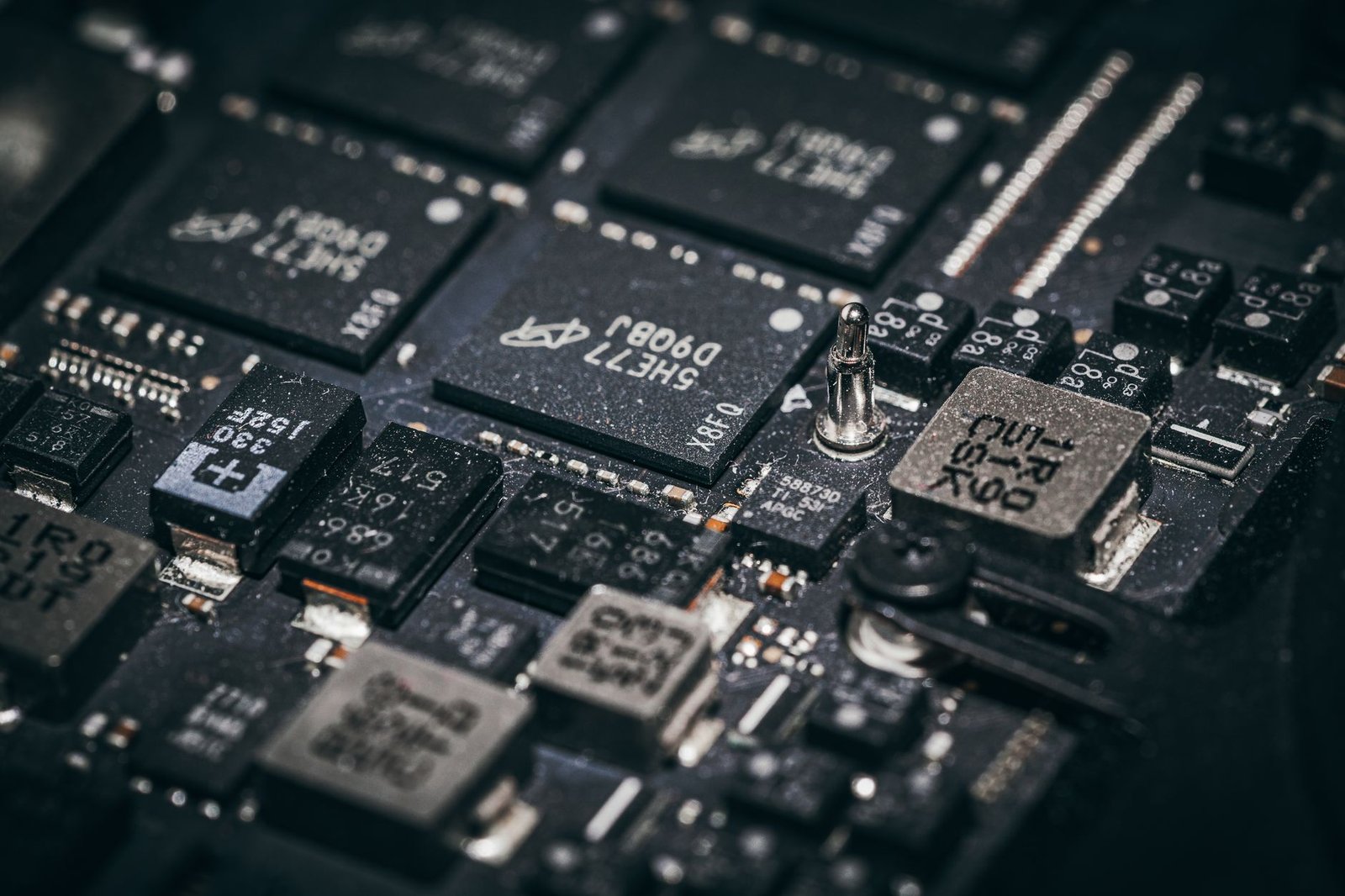
Semiconductor stocks gained ground after a softer-than-expected U.S. jobs report renewed hopes that the Federal Reserve could ease interest rates, giving a boost to rate-sensitive technology shares.
A disappointing U.S. employment report sent a ripple through financial markets, with chip stocks among the clearest beneficiaries. When job growth comes in below expectations, investors often read it as a signal that the Federal Reserve may have more room to cut interest rates — and lower rates tend to make future corporate earnings look more valuable today.
Semiconductor companies are particularly sensitive to this dynamic. They are capital-intensive businesses whose stock prices depend heavily on long-term earnings projections. When interest rates fall — or are expected to fall — those future profits are worth more in today’s dollars, pushing share prices higher. The inverse is also true: rising rates have weighed heavily on chip stocks over the past few years.
The latest jobs data added to a growing debate about the health of the U.S. labor market. A cooler labor market can slow consumer spending and business investment, which eventually feeds through to demand for electronics and the chips inside them. But in the short run, markets often focus on the rate-cut angle first.
It is worth keeping some perspective. A single jobs report rarely changes the Fed’s direction on its own. Policymakers look at a broad range of data — inflation, wage growth, and broader economic conditions — before adjusting rates. One soft reading can shift market sentiment quickly, but the Fed tends to move more deliberately.
Investors will be watching upcoming inflation reports and Fed communications closely to see whether the central bank validates the market’s more optimistic rate outlook. Until then, any shift in jobs or price data is likely to keep moving rate-sensitive sectors like semiconductors.
The next major inflation reading will be a key test of whether the market’s rate-cut optimism has staying power.