Stocks and bonds slipped across global markets after the release of Federal Reserve meeting minutes reinforced expectations that interest rates may need to rise further to bring inflation under control.
Markets around the world turned lower after the Federal Reserve published the minutes from its most recent policy meeting, which showed officials remain concerned about inflation and have not ruled out additional rate increases. The minutes — a detailed record of what policymakers discussed — gave investors little reason to expect a quick pivot toward rate cuts.
When the Fed signals that borrowing costs could keep climbing, the ripple effects reach well beyond the United States. Higher U.S. rates tend to strengthen the dollar, which puts pressure on other currencies and can make it more expensive for governments and companies in emerging markets to repay dollar-denominated debt. At the same time, rising rates make bonds more attractive relative to stocks, prompting investors to shift money out of equities.
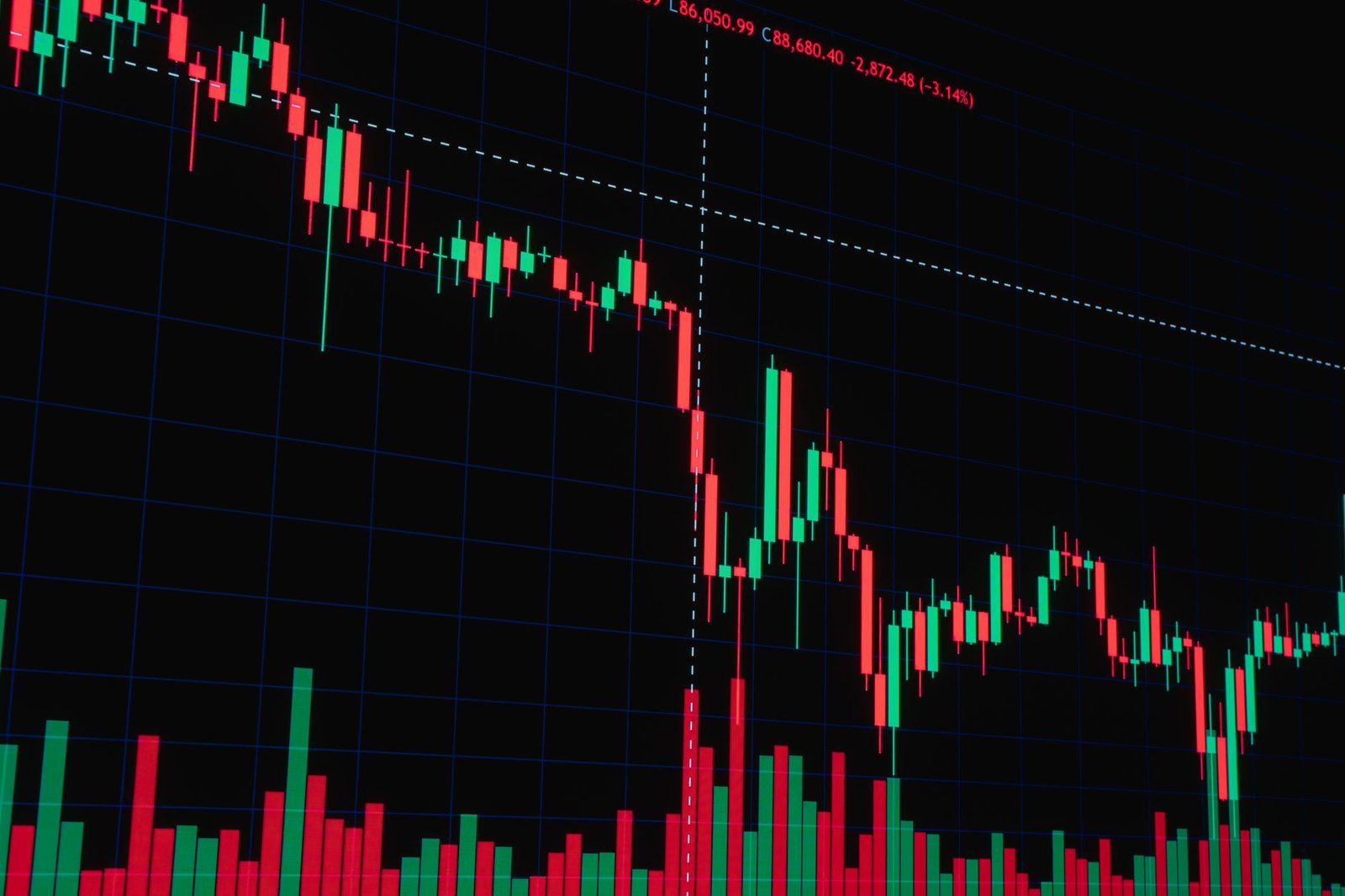
That dynamic played out broadly in recent trading, with equity indexes in multiple regions declining as investors repriced the outlook for monetary policy. Bond yields, which move in the opposite direction of bond prices, also shifted as traders adjusted their bets on where rates are headed.
The Fed has been working to lower inflation toward its 2 percent target by raising its benchmark interest rate from near zero to the current level over the past couple of years. Officials have said repeatedly that they are willing to hold rates higher for longer if price pressures do not ease sufficiently — and the latest minutes appear to have reinforced that message.
For everyday investors, the key question is whether the economy can absorb sustained higher rates without tipping into a significant slowdown. A strong labor market has helped cushion the blow so far, but cracks can appear with a lag, and markets are watching incoming data carefully for any sign that growth is softening faster than expected.
Upcoming inflation and jobs data will be closely watched for clues on whether the Fed’s next move is another hike or a prolonged pause.