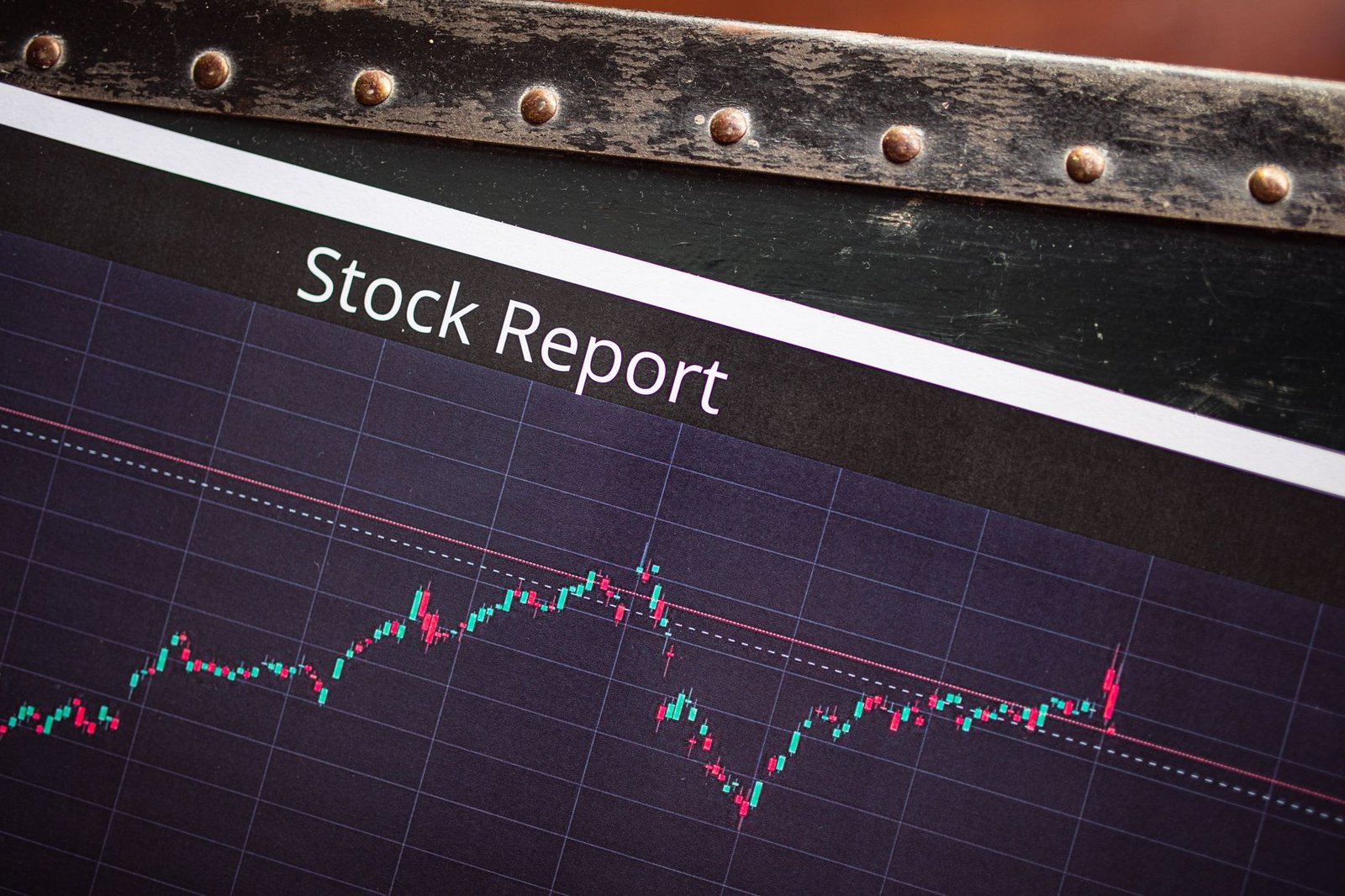
U.S. equities fell in recent trading as a sharp rise in oil prices and broadly higher Treasury yields weighed on investor sentiment. Markets are also bracing for a closely watched government debt auction that could signal appetite for U.S. bonds.
American stocks pulled back as two familiar pressures — rising energy costs and climbing borrowing rates — combined to sour the mood on Wall Street. The S&P 500 and other major indexes posted losses, reflecting caution among investors rather than outright panic.
Oil prices were a major driver of the session’s unease. When crude climbs sharply, it raises costs across the economy — for transportation, manufacturing, and consumers at the pump. That can stoke inflation fears and make the Federal Reserve’s job of keeping prices stable harder. Higher energy costs also squeeze company profit margins, which is bad news for stocks.
Treasury yields — the interest rates the U.S. government pays on its debt — moved mostly higher as well. Bond yields rise when prices fall, and when yields go up, they make borrowing more expensive for businesses and households alike. They also make bonds look more attractive compared to stocks, which can pull money out of equities and into fixed income.
Adding to the uncertainty was an upcoming U.S. Treasury auction. The government regularly sells bonds to raise money, and the results of these auctions reveal how much demand exists for U.S. debt. A weak auction — where investors demand higher yields to buy bonds — can push rates up further and put fresh pressure on stocks. Markets tend to grow cautious ahead of large auctions for exactly this reason.
The combination of higher oil, rising yields, and auction jitters created a risk-off environment, meaning investors were in a mood to reduce exposure to assets they see as vulnerable. This kind of session is not unusual when multiple headwinds appear at once, but it does highlight how sensitive markets remain to energy prices and the direction of interest rates.
The outcome of the Treasury auction will be closely watched as a gauge of bond market demand — and its results could set the tone for equities and yields in the sessions ahead.