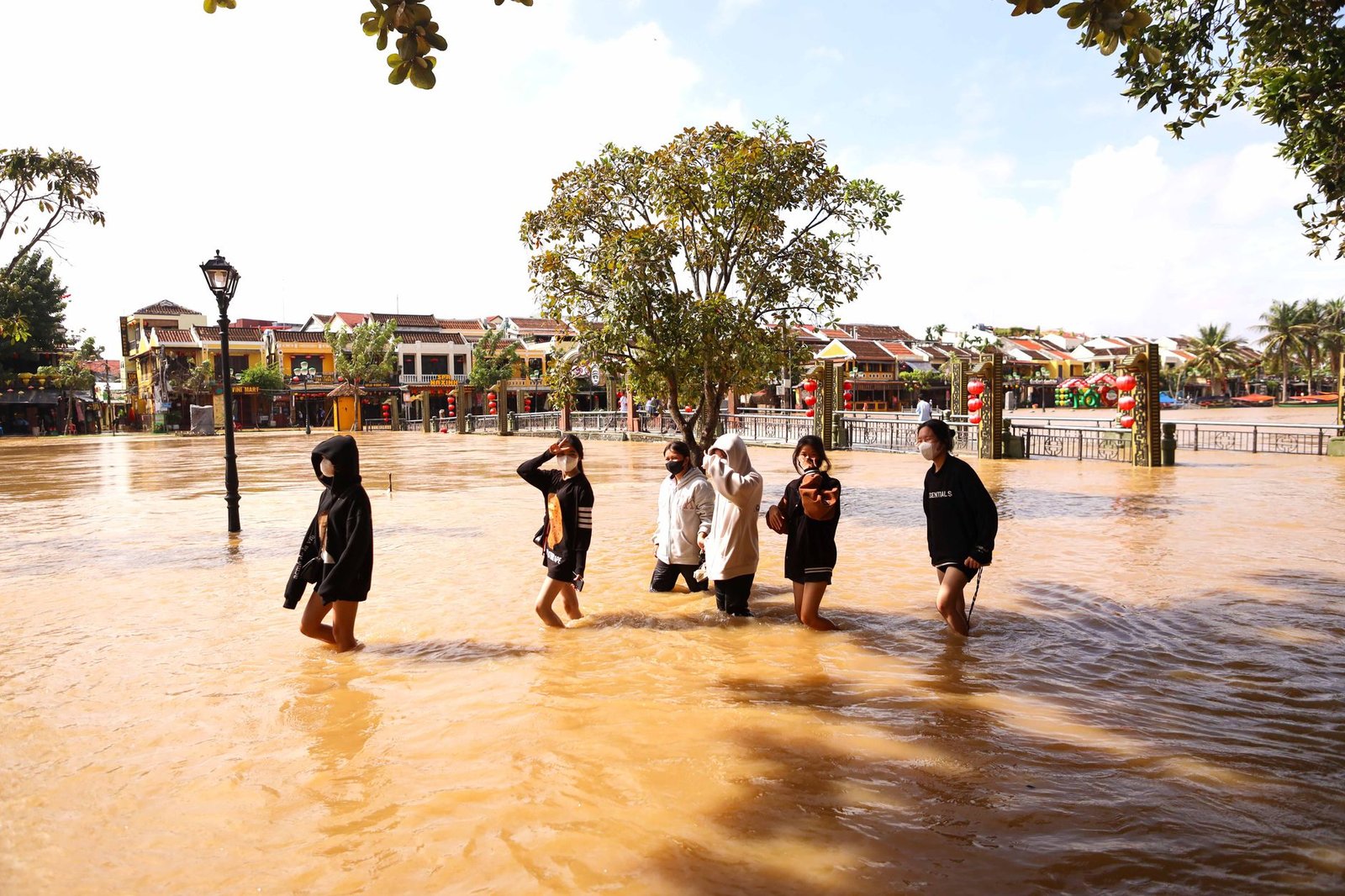
Severe flooding across Thailand has caused widespread destruction to homes, farmland, and businesses, adding a new strain to an economy already navigating a fragile recovery. The timing is notable: global finance officials are set to convene for the International Monetary Fund’s annual meetings, where natural disaster risks to emerging economies are likely to feature prominently.
Floodwaters have swept through parts of Thailand, killing residents and wiping out livelihoods in affected communities. Agricultural land, small businesses, and local infrastructure have taken significant damage, with some areas described by residents as entirely ruined. Events of this scale can set back regional economies for months or longer, disrupting supply chains, reducing farm output, and forcing government spending away from development priorities toward emergency relief.
For Thailand, the floods arrive at a sensitive moment. The country has been working to strengthen growth after years of pressure from weak tourism, sluggish exports, and rising household debt. A major natural disaster compounds those headwinds by destroying productive capacity and dampening consumer confidence, particularly in rural areas where farming is the primary source of income.
The economic damage from floods is typically felt in two stages. The immediate hit comes from lost output — crops that cannot be harvested, businesses that cannot operate, roads and bridges that cannot move goods. The second wave comes through the rebuilding process, which strains government finances and can push up prices for construction materials and food if supply is significantly disrupted.
The disaster lands just before the IMF’s annual meetings, a gathering that brings together finance ministers and central bank governors from around the world. Climate-related economic shocks have become a recurring topic at such forums, as extreme weather events grow more frequent and more costly for developing nations. Thailand’s situation could draw attention to the vulnerability of Southeast Asian economies to floods, droughts, and other climate risks that can rapidly undo years of economic progress.
How much lasting damage Thailand sustains will depend on the extent of the flooding, the speed of government relief efforts, and whether international assistance is mobilized. Analysts watching the region will be tracking any revised growth forecasts in the weeks ahead.
The scale of economic disruption will come into clearer focus as damage assessments are completed and Thailand’s government outlines its relief and recovery plan.