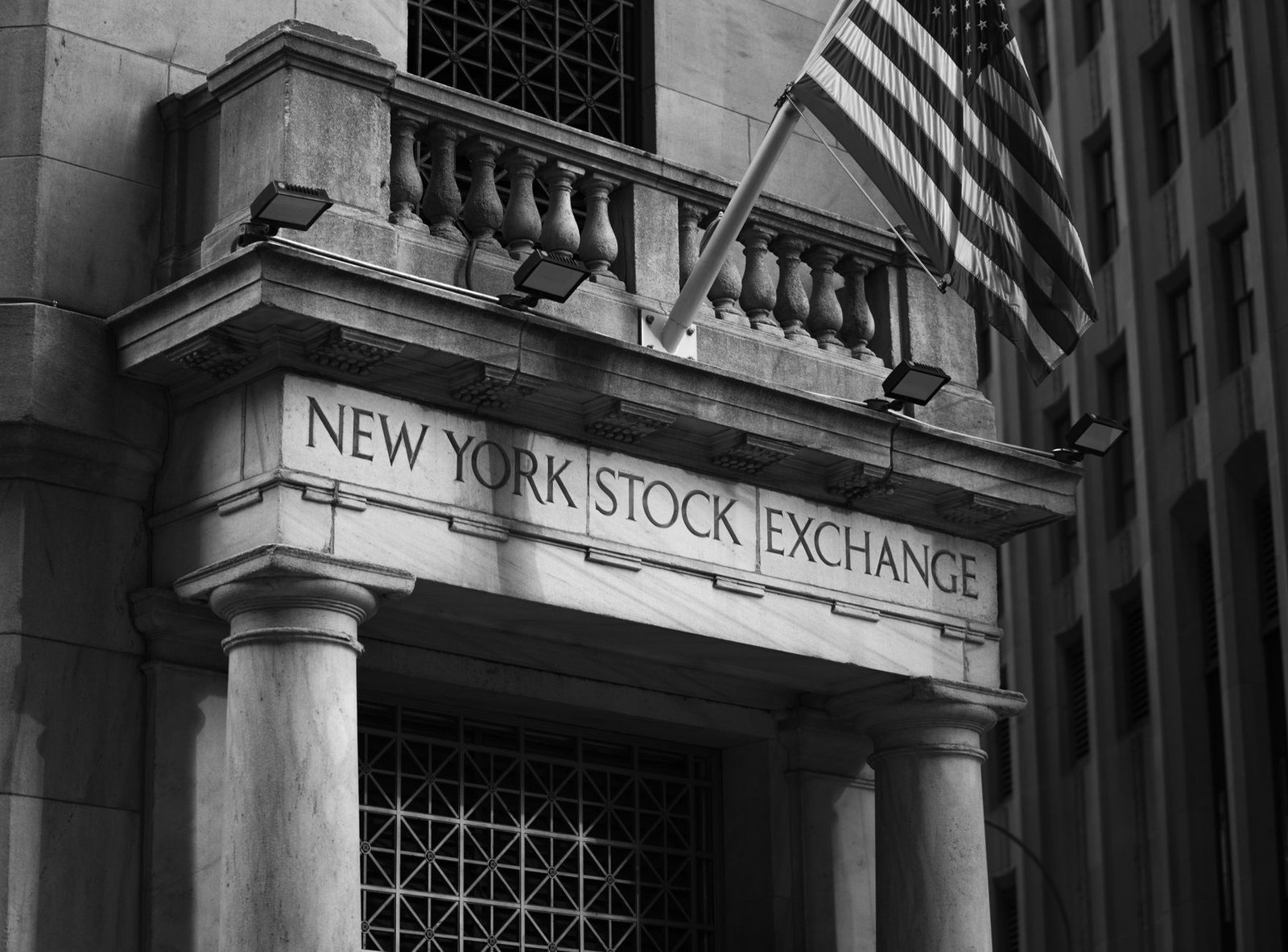
A mood shift is under way on Wall Street. Investors and analysts who spent much of the year pointing to resilient consumer spending and a solid job market are now paying closer attention to signs that the U.S. economy may be more fragile than headline numbers suggest.
For most of this year, the broad story on the U.S. economy has been one of durability. Unemployment stayed low, consumer spending held up, and corporate earnings came in well enough to keep stocks near their highs. But a growing number of market participants are now asking whether that picture has been too optimistic.
The concern is not that a downturn is imminent, but that the cushions that absorbed earlier shocks — excess savings, a strong labor market, pent-up demand — may be thinning out. Credit card balances have climbed, delinquency rates on consumer loans have ticked higher, and lower-income households in particular are showing signs of financial strain. Those are the kinds of slower-moving signals that rarely make headlines but often matter more over time.
Interest rates remain elevated by historical standards. The Federal Reserve has kept its benchmark rate well above pre-pandemic levels as it works to bring inflation fully under control. High rates slow the economy by making borrowing more expensive for households and businesses alike. The longer rates stay high, the more pressure accumulates — and economists call this the “long and variable lags” of monetary policy, meaning the full effect of past rate hikes may not yet be visible in the data.
Housing is one area where that pressure is already clear. Affordability is stretched, mortgage applications remain depressed, and construction activity has softened. A slowdown in housing tends to ripple into related industries — appliances, furniture, financial services — which can quietly drag on broader growth.
Global headwinds add another layer of uncertainty. Weak demand from major trading partners, a strong dollar, and unresolved trade tensions could weigh on U.S. exports and corporate profit margins in the months ahead.
None of this means a recession is the base case. The U.S. economy has defied pessimistic forecasts before, and the labor market remains the single biggest buffer against a sharper slowdown. But the shift in tone on Wall Street reflects a more honest accounting of the risks — and a recognition that soft landings are never guaranteed.
The coming weeks of economic data — particularly on jobs, consumer spending, and credit — will be closely watched for any sign that underlying vulnerabilities are moving from worry to reality.