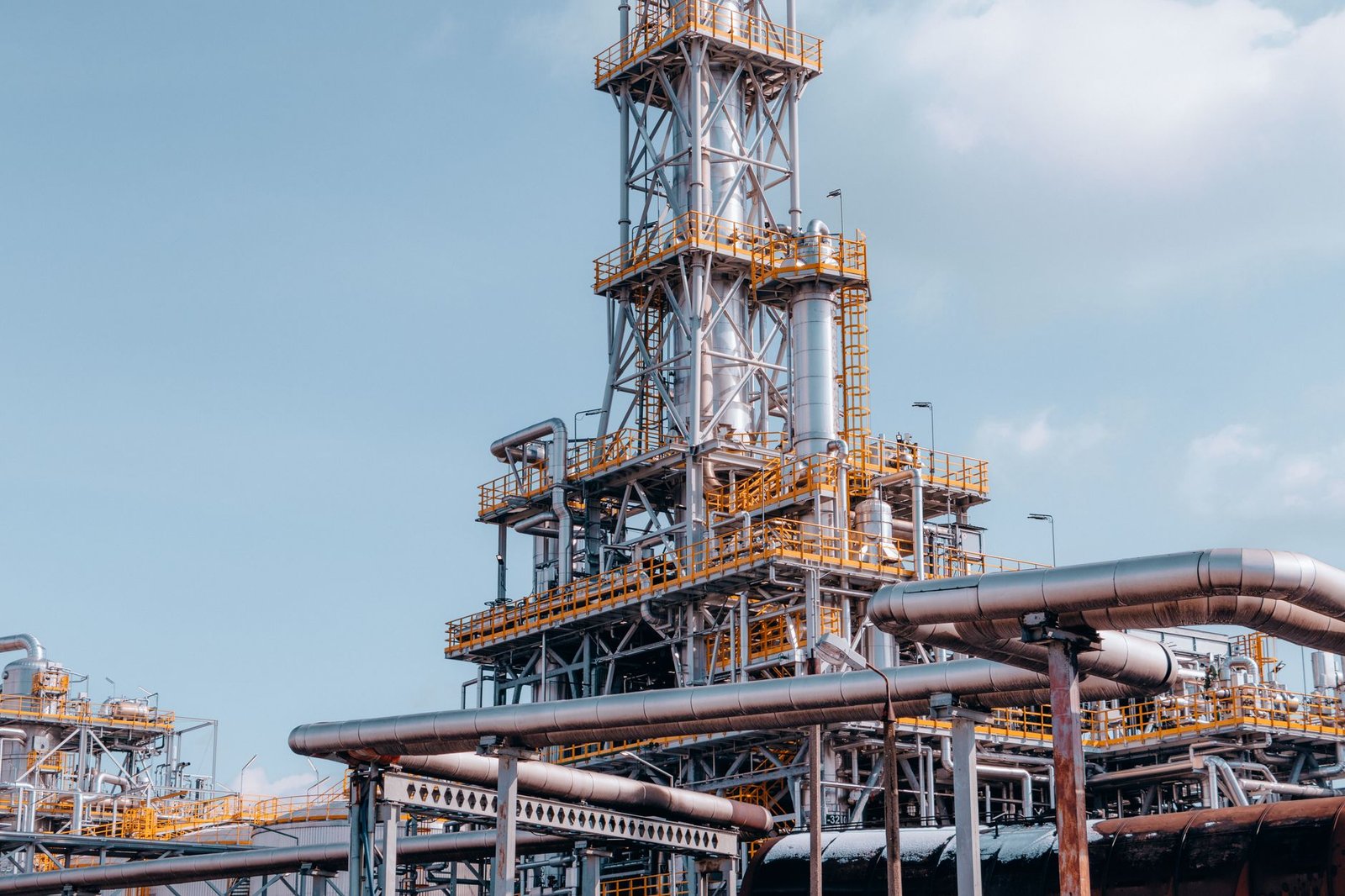
Crude oil has surged dramatically in 2026, and some market watchers now see Brent crude potentially reaching $120 a barrel — a level that would put meaningful pressure on growth and inflation worldwide.
Oil prices have climbed sharply this year, with some forecasts pointing to Brent crude — the global benchmark — possibly hitting $120 per barrel. If realized, a gain of that magnitude from the start of the year would represent one of the more significant energy price shocks in recent memory, with wide-ranging consequences for households, businesses, and governments around the world.
Higher energy costs act like a tax on the global economy. When oil prices rise, transportation, manufacturing, and heating costs all increase. That squeezes consumer budgets and corporate profit margins simultaneously. In past oil price spikes — most recently in 2022 following the Russia-Ukraine conflict — the ripple effects showed up quickly in inflation data, forcing central banks to respond with interest rate increases.
For central banks that have spent the past few years trying to bring inflation back to target, a sustained oil price surge complicates the picture considerably. Higher energy prices tend to push headline inflation higher even when underlying price pressures are contained. That can make it harder for policymakers to cut interest rates, even if economic growth is slowing — a difficult combination sometimes referred to as stagflation risk.
The impact would vary by region. Oil-importing economies — including most of Europe, Japan, India, and parts of Asia — are generally more exposed to rising crude prices. Oil-exporting nations, including those in the Middle East, parts of Africa, and North America, tend to benefit from higher revenues, though the global slowdown that could follow an energy shock can offset some of those gains.
Emerging market economies face particular vulnerability. Many of them subsidize domestic fuel prices, meaning that a sustained rise in crude oil either strains government finances or gets passed directly to consumers. Meanwhile, a stronger dollar — which often accompanies global risk-off moves and energy shocks — makes dollar-priced oil even more expensive for countries that trade in other currencies.
Markets will be watching upcoming inflation reports closely for early signs of energy-driven price pressure, as well as any central bank signals about how policymakers plan to respond if oil sustains these levels.
The trajectory of crude oil in the months ahead will be a key variable for inflation expectations, interest rate decisions, and growth forecasts across the global economy.