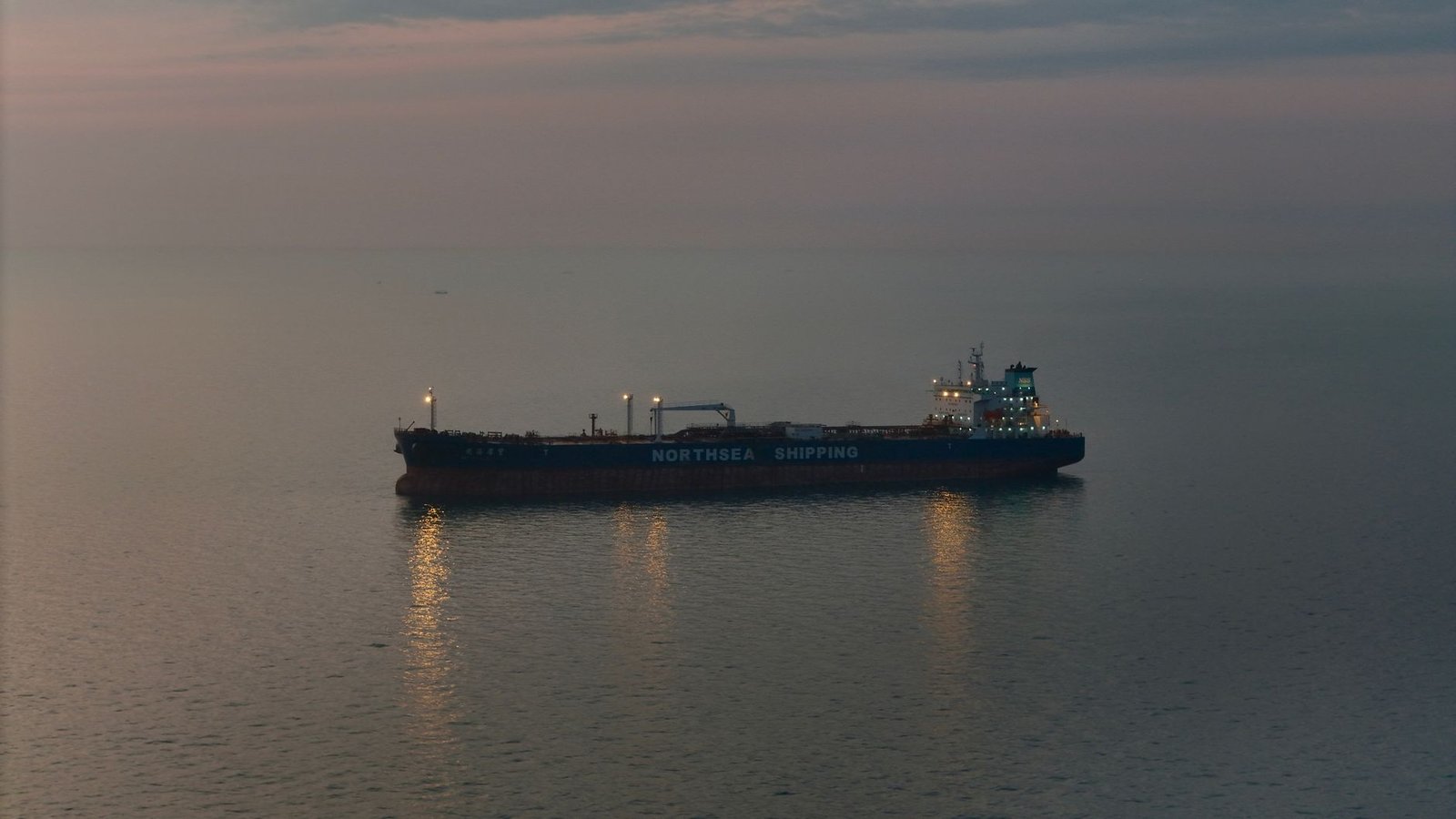
Ongoing shipping disruptions in two of the world’s most critical maritime corridors — the Strait of Hormuz and the Red Sea — are squeezing global energy supply chains at a moment when oil inventories are already running thin, raising fresh concerns about energy costs in Western economies.
The Strait of Hormuz and the Red Sea together handle a substantial share of the world’s daily seaborne oil and liquefied natural gas trade. When passage through either corridor is disrupted — whether by conflict, threat, or blockade — the effect ripples quickly through global energy markets. Right now, both routes face pressure simultaneously, and the timing is difficult: oil stockpiles in major consuming nations have fallen to low levels even as producers have been pumping more crude.
Low inventories act as a buffer. When supplies are plentiful in storage, markets can absorb short-term disruptions without large price swings. When stockpiles are thin, even a modest supply shock can push energy prices meaningfully higher. That dynamic is now at play, and traders and analysts are watching closely to see whether disruptions intensify or ease.
For Western economies, the concern is what higher energy costs could do to inflation. Consumer prices in the United States and Europe have come down significantly from their post-pandemic peaks, but central banks including the Federal Reserve and the European Central Bank have been cautious about declaring victory too soon. A sustained rise in energy prices — particularly oil and natural gas — feeds directly into transportation costs, manufacturing, and household energy bills, all of which show up in broad price indexes.
The Red Sea has already seen elevated risk in recent periods, with attacks on commercial vessels prompting some shipping companies to reroute cargo around the southern tip of Africa. That longer route adds time and cost to deliveries, effectively tightening supply even when physical production has not changed. Hormuz, which connects Persian Gulf producers to global markets, carries its own strategic weight — any sustained interference there would affect a large portion of the world’s oil exports.
Higher oil prices, if they persist, would complicate the task facing central banks that are trying to bring interest rates down gradually without allowing inflation to reaccelerate. Energy is one of the more volatile and visible components of the inflation picture, influencing not just fuel prices but costs across the broader economy. Policymakers tend to look past short spikes, but prolonged disruptions are harder to dismiss.
We are watching whether shipping conditions in these corridors stabilize or worsen, and how quickly energy markets price in the evolving risk.