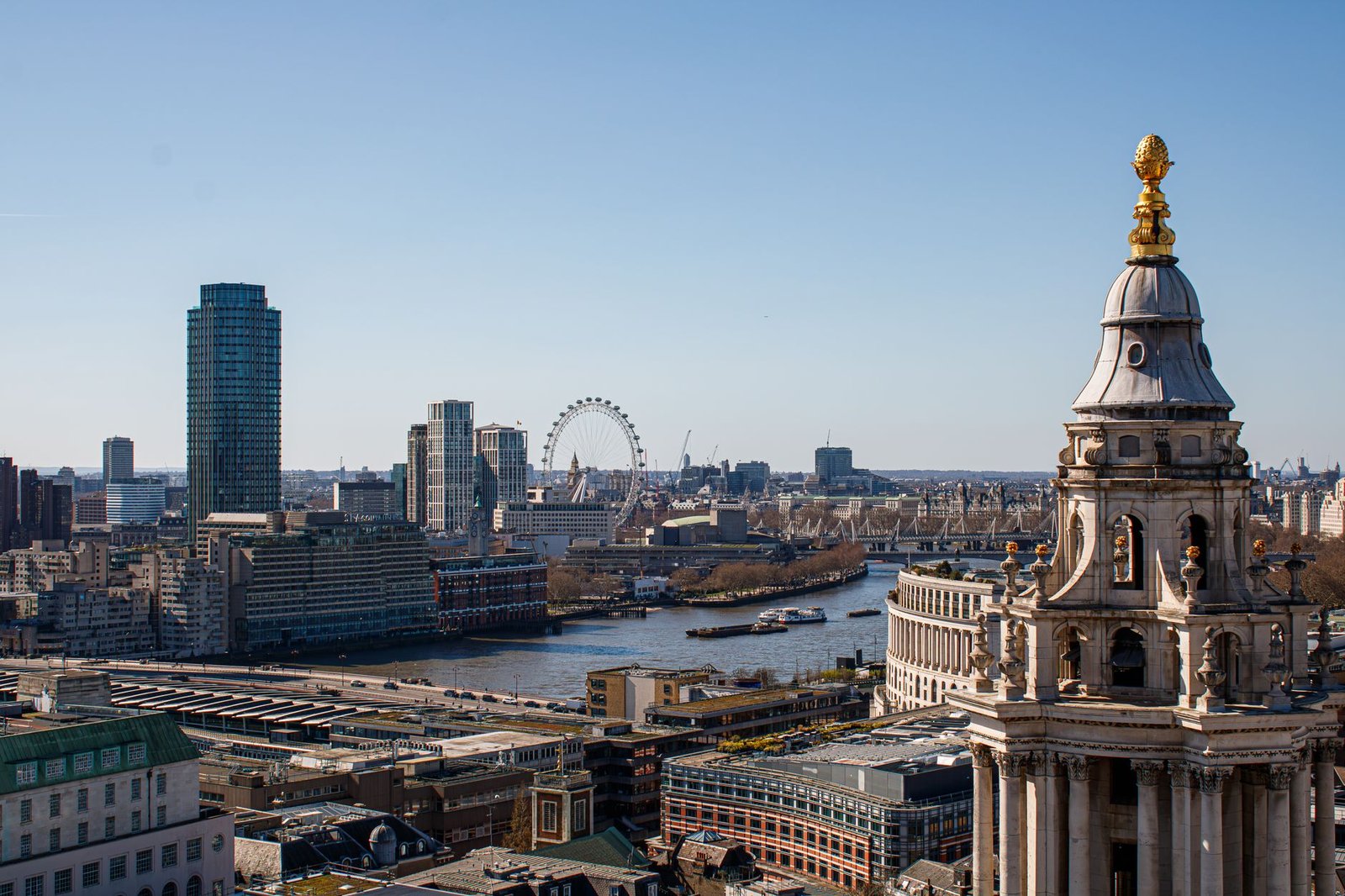
The Bank of England left its benchmark interest rate unchanged at 3.75%, a notable pause as many central banks around the world continue to raise borrowing costs.
The Bank of England held its key interest rate steady at 3.75% at its latest policy meeting, stepping back from the pattern of rate increases that has defined central bank behavior across much of the world in recent years. The decision signals that policymakers in London see reasons to wait before pushing borrowing costs any higher.
Central banks raise interest rates to cool inflation — that is, to slow the pace at which prices rise. Higher rates make borrowing more expensive for households and businesses, which tends to reduce spending and ease price pressures over time. When a major central bank pauses, it often means officials believe rates are already high enough to do the job, or that the economy faces enough headwinds that further tightening could cause unnecessary harm.
The Bank of England’s decision stands out because several other large central banks have continued tightening in recent months. Holding rates in that environment is a deliberate choice — one that suggests the Monetary Policy Committee sees the balance of risks differently than some of its peers. The United Kingdom has faced a particularly difficult combination of high inflation and sluggish economic growth, leaving policymakers with less room to maneuver than central banks in economies growing more steadily.
Markets and investors will be watching how the Bank of England explains its thinking. Communication around a hold matters as much as the decision itself — policymakers will want to convince financial markets that the pause does not mean rates will stay low for long if inflation proves stubborn. Conversely, if economic data weakens further, a hold could be the first step toward eventual rate cuts.
The pound and UK government bonds — known as gilts — are likely to react as investors reassess the path for UK borrowing costs relative to those in the United States, the eurozone, and other major economies.
The Bank of England’s next policy meeting and any updated inflation or growth forecasts will be key to understanding whether this pause is a brief stop or the start of a more sustained shift in UK monetary policy.