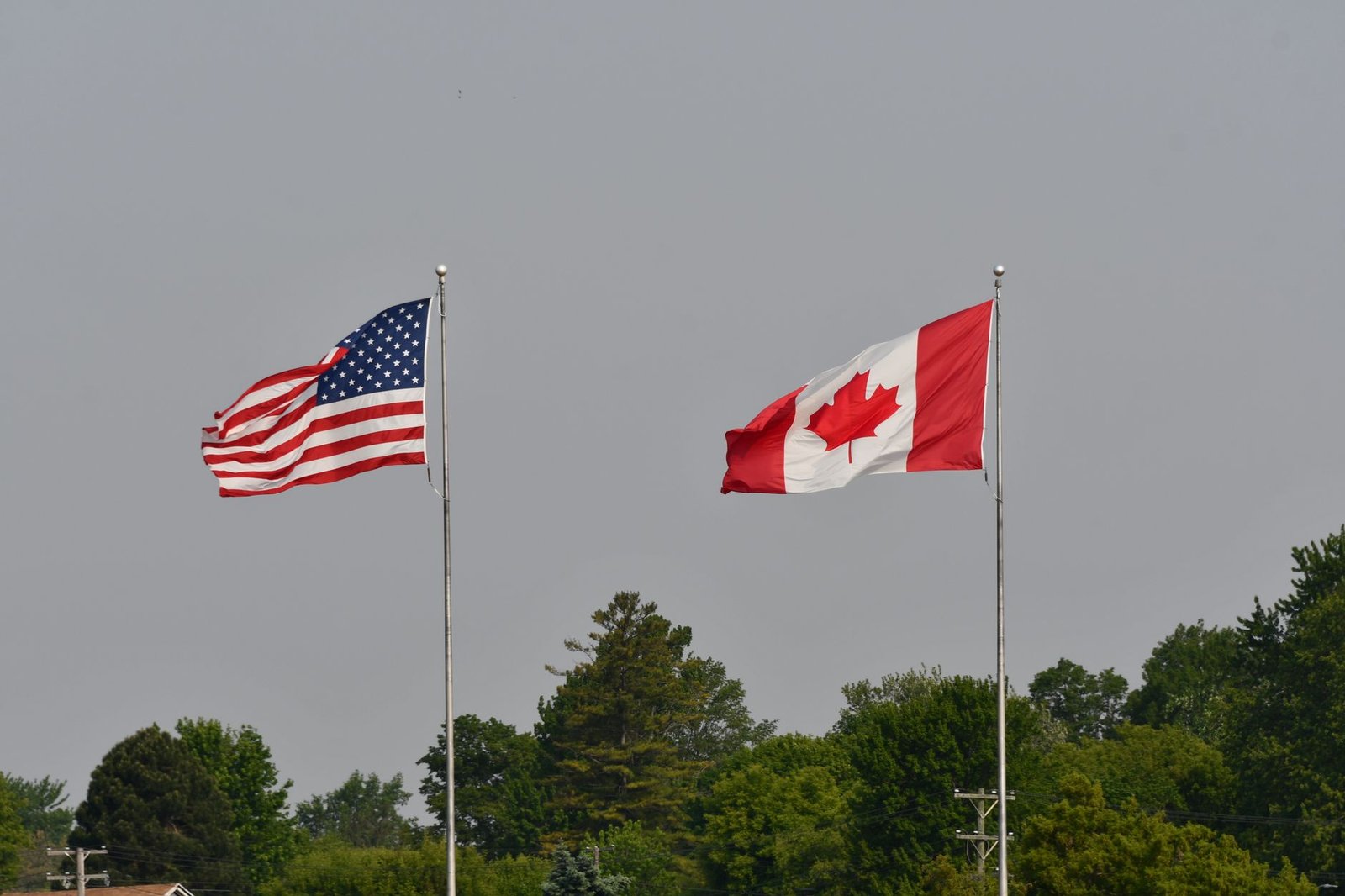
Canadian Prime Minister Mark Carney and U.S. President Donald Trump have agreed to intensify trade negotiations between the two countries, a signal that both sides want to move past months of friction caused by tariffs and sharp rhetoric.
The announcement marks a potential turning point in a bilateral relationship that has been under significant strain. Trump’s administration has imposed tariffs on a range of Canadian goods, and the repeated public sparring between Washington and Ottawa has unsettled businesses and investors on both sides of the border.
Canada is the United States’ largest trading partner by some measures, and the two economies are deeply intertwined through supply chains in autos, energy, agriculture, and manufacturing. When trade between them is disrupted or uncertain, the effects ripple through both labor markets and corporate earnings.
The word “intensify” in the joint statement is notable. It suggests negotiations were already underway but that leaders want to pick up the pace — a sign of mutual urgency. Trade talks that drag on tend to suppress business investment, as companies hold back on decisions until they know the rules.
Markets generally respond positively to signs that trade disputes may be heading toward resolution. Reduced tariff uncertainty can lift business confidence, support the Canadian dollar, and ease pressure on sectors most exposed to cross-border commerce. The reverse is also true: a breakdown in talks, or fresh tariff threats, can quickly reverse those gains.
It is too early to know what a final deal might look like or how quickly a framework could be reached. Trade negotiations between major economies are complex and can stall even after high-level commitments to move forward. The existing tariffs remain in place for now, and their removal — or any further escalation — will likely depend on how talks proceed in the weeks ahead.
Watch for concrete timelines, any changes to existing tariffs, and market reactions in Canadian dollar and trade-exposed sectors as talks develop.