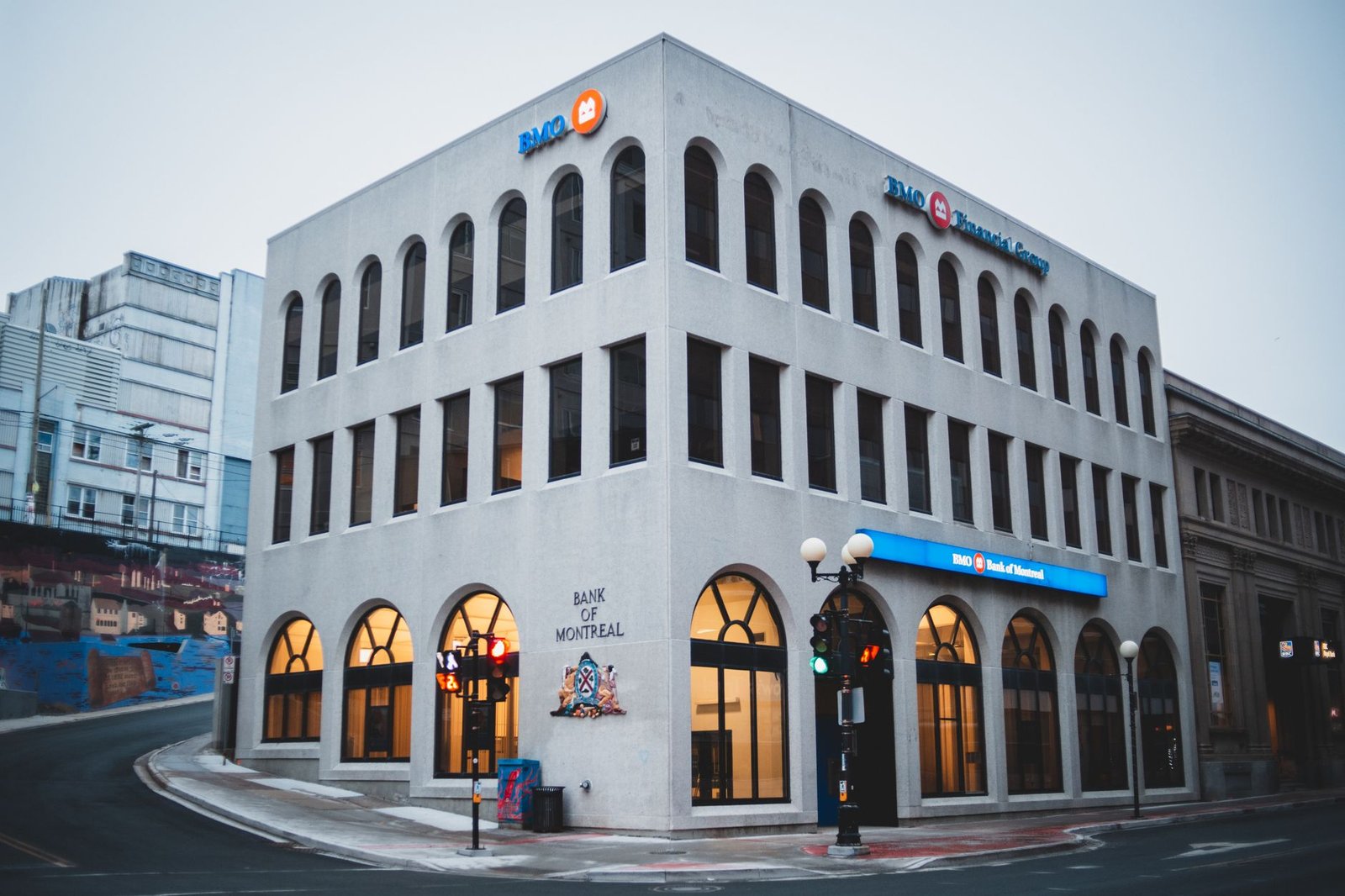
A central bank kept its benchmark interest rate unchanged at its latest policy meeting, even as officials flagged that rising energy prices and higher memory chip costs could push inflation higher in the months ahead.
Policymakers opted to hold borrowing costs steady, signaling a cautious approach at a moment when the inflation outlook is being complicated by two distinct pressures: energy markets and the global semiconductor supply chain.
Energy prices have a direct and well-documented effect on consumer inflation. When fuel and utility costs rise, households and businesses face higher bills almost immediately, and those costs tend to ripple through the wider economy — lifting the price of goods that are expensive to produce or transport. A sustained move higher in energy can quickly undo the progress central banks have made in bringing inflation back toward their targets.
Memory chips — the components used in smartphones, laptops, servers, and a wide range of consumer electronics — add a second source of upward pressure. When chip prices rise, manufacturers typically pass those costs on to buyers, pushing up the prices of finished goods. With demand for electronics remaining firm globally, any tightening of chip supply has the potential to feed into broader price indexes.
Against that backdrop, the decision to hold rates rather than cut them reflects the difficulty central banks face right now. After an aggressive tightening cycle to combat the post-pandemic inflation surge, many banks have been cautious about easing too quickly, wary of allowing price pressures to re-ignite before the job is fully done.
Holding rates steady buys time. It allows policymakers to watch whether energy and chip-driven inflation proves temporary — a short-lived spike — or something more persistent that would require a stronger policy response. The distinction matters enormously for borrowers, businesses, and financial markets alike.
All eyes will be on incoming inflation and energy data in the weeks ahead to determine whether the bank’s pause holds or whether fresh price pressures force a rethink.