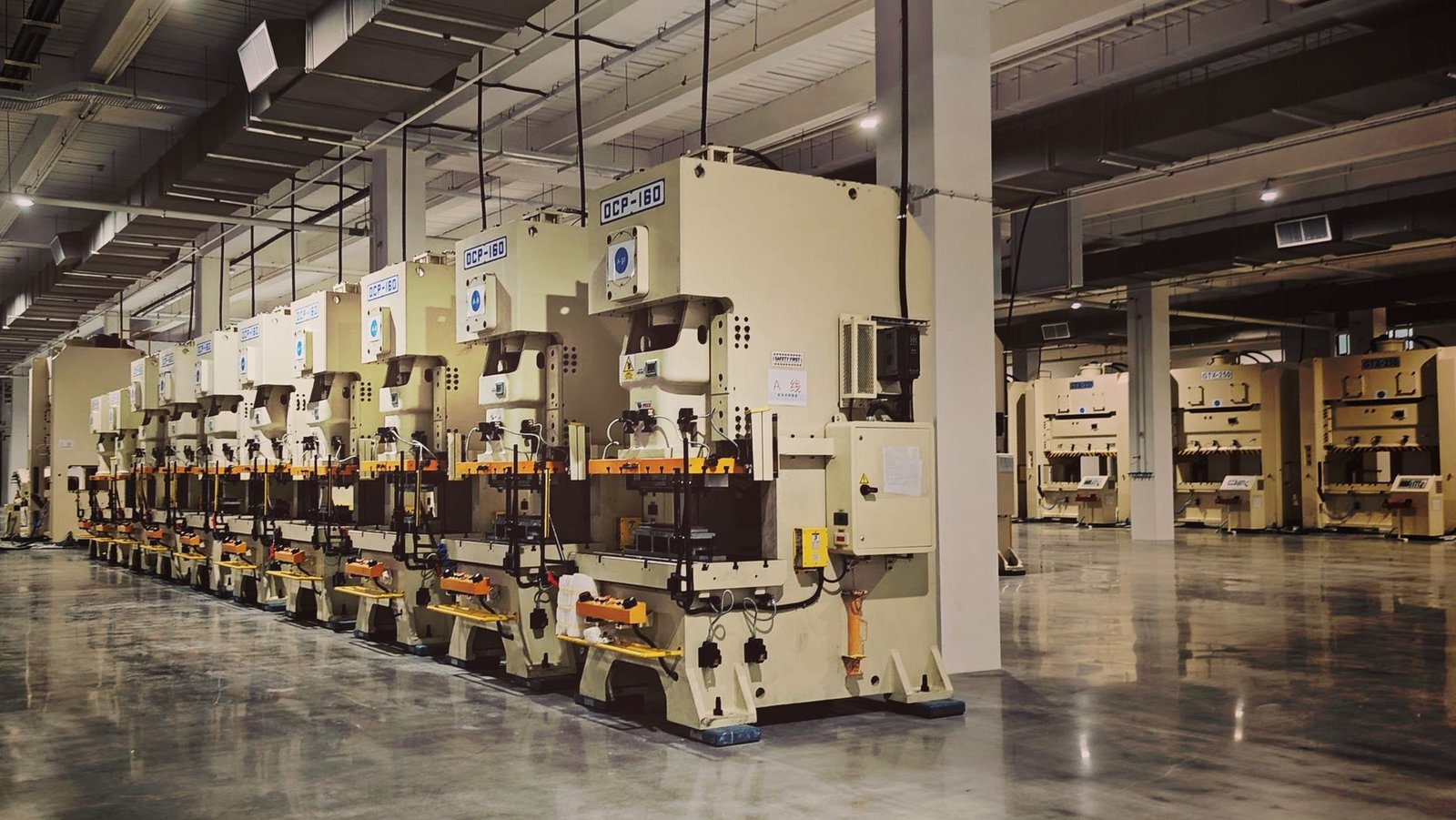
Manufacturing activity in China expanded again after a period of contraction, offering a rare piece of positive news for the world’s second-largest economy as it navigates persistent headwinds.
China’s factory sector moved back into expansion territory, according to the latest purchasing managers’ index data, signaling that industrial output is picking up after a stretch of weakness. A reading above 50 on the PMI scale indicates growth; a reading below signals contraction. The return to expansion suggests factories are producing more and receiving more orders than in recent months.
The timing matters. China’s economy has faced a difficult combination of pressures this year, including a slow-moving property sector downturn, cautious consumer spending, and weaker demand from key export markets. Any sign that manufacturing — the backbone of China’s economic model — is stabilizing tends to carry weight for global investors and policymakers alike.
China is a major supplier of goods and raw materials to the rest of the world, and its factory health ripples outward quickly. When Chinese manufacturing slows, it can drag on commodity prices and dampen growth in export-dependent economies across Asia. A recovery in output, on the other hand, can support global trade volumes and lift demand for industrial metals and energy.
Markets in the region have been watching Chinese economic data closely for signals that Beijing’s stimulus measures — which have included interest-rate cuts, targeted spending, and support for the property market — are gaining traction. A single month of expansion does not confirm a durable turnaround, but it adds to a small but growing body of evidence that conditions may be stabilizing.
Analysts caution that the path ahead remains uncertain. External demand from the United States and Europe, two of China’s largest trading partners, is not guaranteed to hold steady. Domestic consumption, which Beijing has been trying to boost, has been harder to revive than industrial output. Policymakers will be watching the next several months of data carefully before drawing firm conclusions.
The next PMI readings and trade data out of China will be key tests of whether this expansion marks the beginning of a genuine recovery or a brief respite.