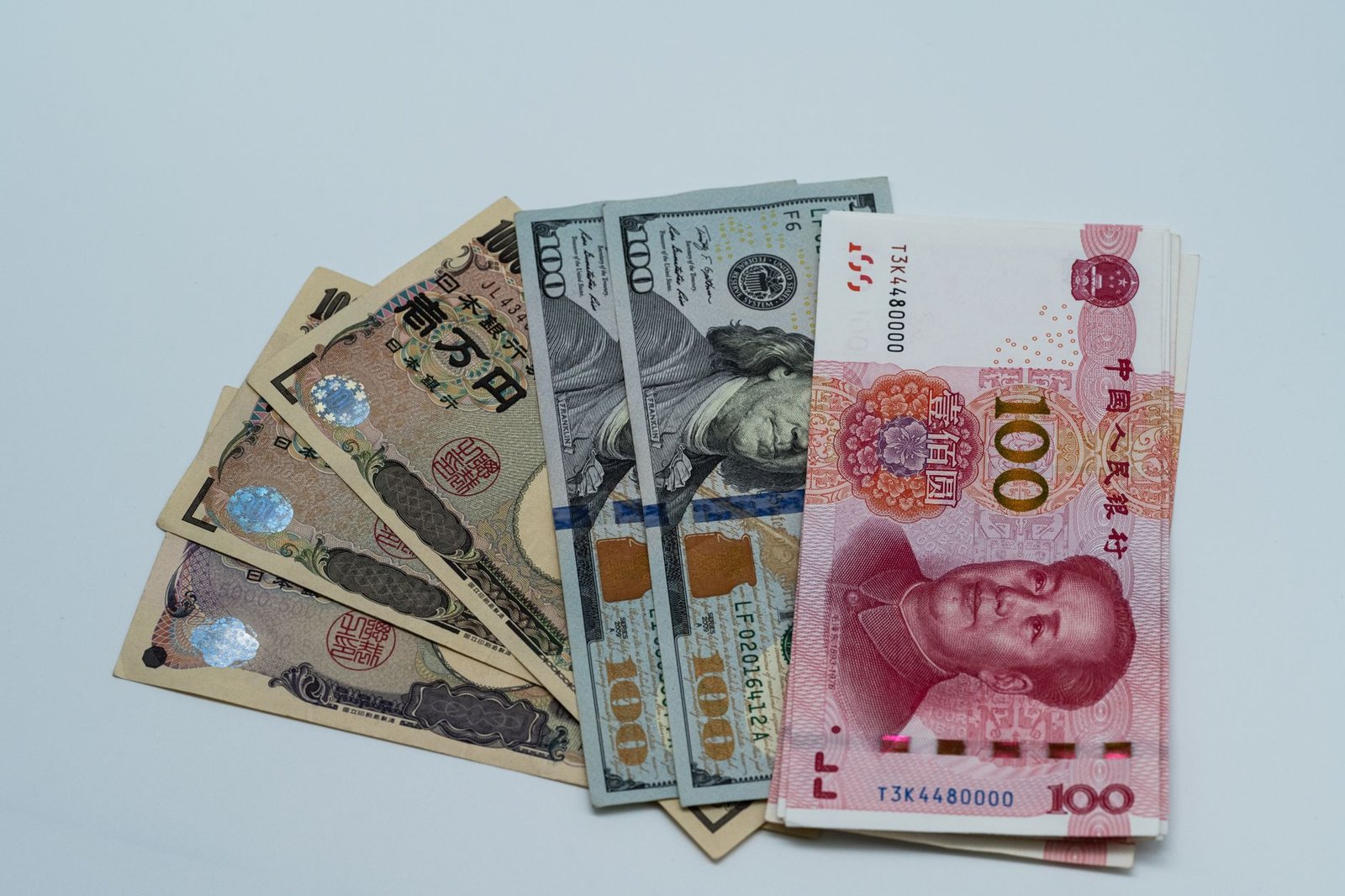
China’s management of its currency, the yuan, is once again under the spotlight, as analysts examine whether Beijing keeps the exchange rate artificially low to boost its exports and strengthen its grip on global supply chains.
Currency policy is rarely simple, but China’s approach to managing the yuan — also called the renminbi — stands out as one of the more closely watched tools in global trade. The People’s Bank of China sets a daily reference rate for the yuan and allows it to trade only within a narrow band around that rate. Critics argue this gives Chinese exporters a built-in price advantage over competitors in other countries.
When a currency is kept below its fair market value, goods produced in that country become cheaper for foreign buyers. That can translate directly into stronger export volumes and a larger share of global manufacturing activity. For a country like China, which is the world’s largest exporter, even modest currency undervaluation can have an outsized effect on trade flows.
The supply chain dimension matters equally. Many industries — from electronics to pharmaceuticals to automotive parts — rely on Chinese factories as a central node in their production networks. If Chinese goods remain competitively priced partly due to currency management, it becomes harder for manufacturers in other countries to win back that business, even when wages or other costs shift.
The debate over whether the yuan is genuinely undervalued is not settled. China’s central bank and government officials have long rejected the characterization, arguing that the yuan’s value reflects economic fundamentals. The U.S. Treasury reviews major trading partners’ currency practices regularly, and China has at various times been placed on a monitoring list.
For investors and businesses, the yuan’s trajectory carries real consequences. A weaker yuan can weigh on the earnings of multinational companies selling into China, while also putting competitive pressure on manufacturers elsewhere. Bond and equity markets in Asia often react quickly to shifts in the yuan’s daily fixing rate, treating it as a signal of Beijing’s broader economic intentions.
Watch for shifts in China’s daily yuan fixing rate and any U.S. Treasury currency report updates as indicators of where this long-running policy debate heads next.