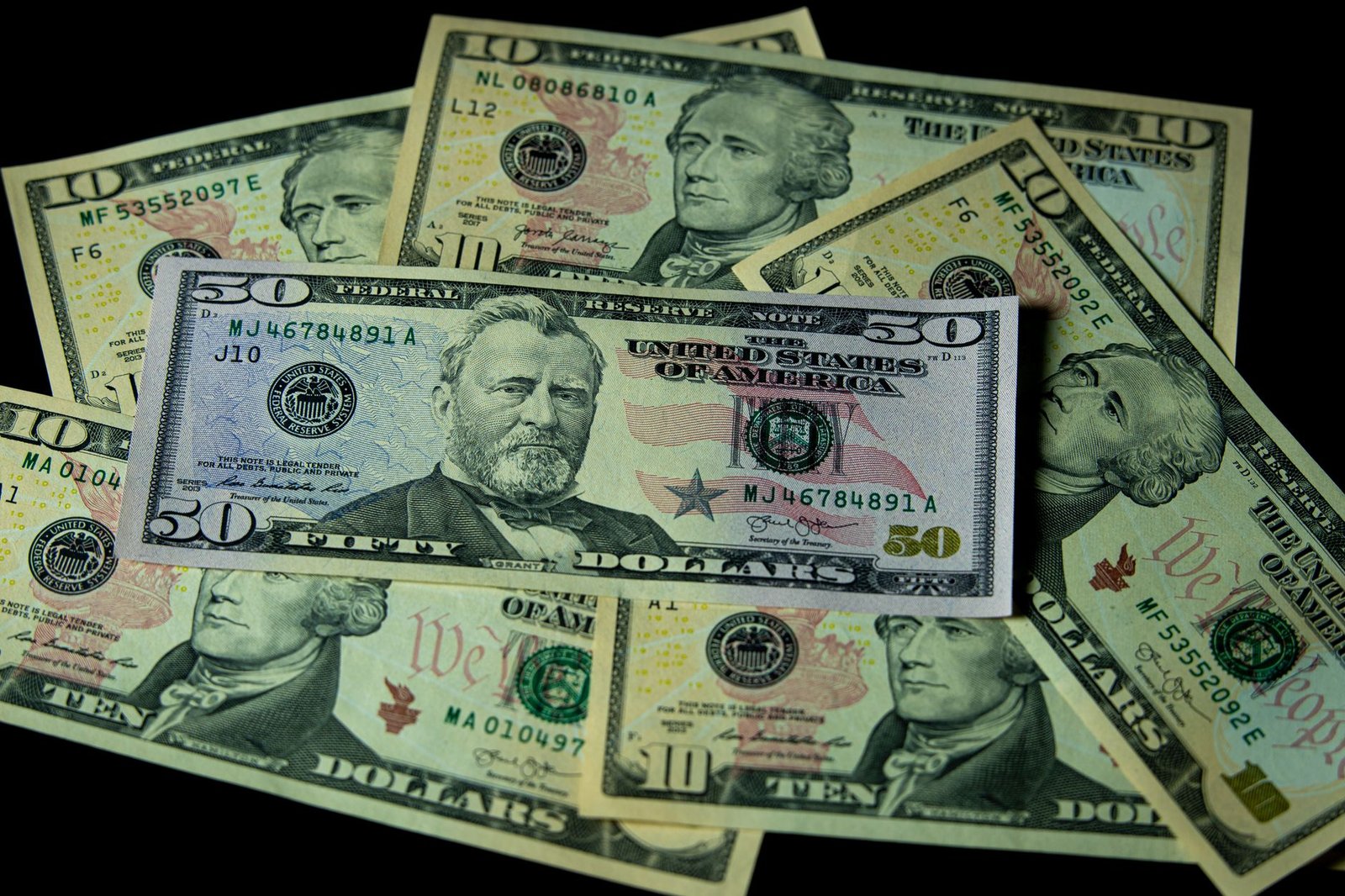
The U.S. dollar strengthened to its highest level in two months, driven by growing market expectations that the Federal Reserve will raise interest rates again. A stronger dollar reflects bets that U.S. borrowing costs will stay elevated — or climb higher — for longer.
The dollar gained ground against a broad basket of major currencies, reaching its strongest point since July, as investors positioned for the possibility that the Federal Reserve is not yet finished tightening monetary policy. When traders expect higher interest rates, they tend to buy the dollar, because higher rates make dollar-denominated assets more attractive to global investors seeking returns.
The move in the currency market reflects a broader recalibration of rate expectations. Recent U.S. economic data — including resilient consumer spending and a still-tight labor market — has made some investors question whether the Fed will feel confident enough to hold rates steady or begin cutting them anytime soon. That uncertainty tends to push the dollar higher.
A stronger dollar has ripple effects across the global economy. It raises the cost of dollar-denominated debt for countries and companies outside the United States, and it can put downward pressure on commodity prices, which are priced in dollars. Emerging-market currencies typically face the most strain when the greenback rallies, as capital can flow toward the perceived safety and yield of U.S. assets.
For American consumers and businesses, a stronger dollar can be a double-edged development. It makes imports cheaper, which can ease some inflation pressure at home. At the same time, it makes U.S. exports more expensive for foreign buyers, which can weigh on American manufacturers and multinationals that earn significant revenue overseas.
The Federal Reserve has raised its benchmark interest rate sharply over the past two years to bring inflation down from multi-decade highs. While inflation has cooled considerably, it remains above the Fed’s 2% target, leaving policymakers with little room to signal an early end to their restrictive stance.
Markets will be watching upcoming inflation data and Fed officials’ remarks closely for any fresh signals on the pace and duration of U.S. rate policy.