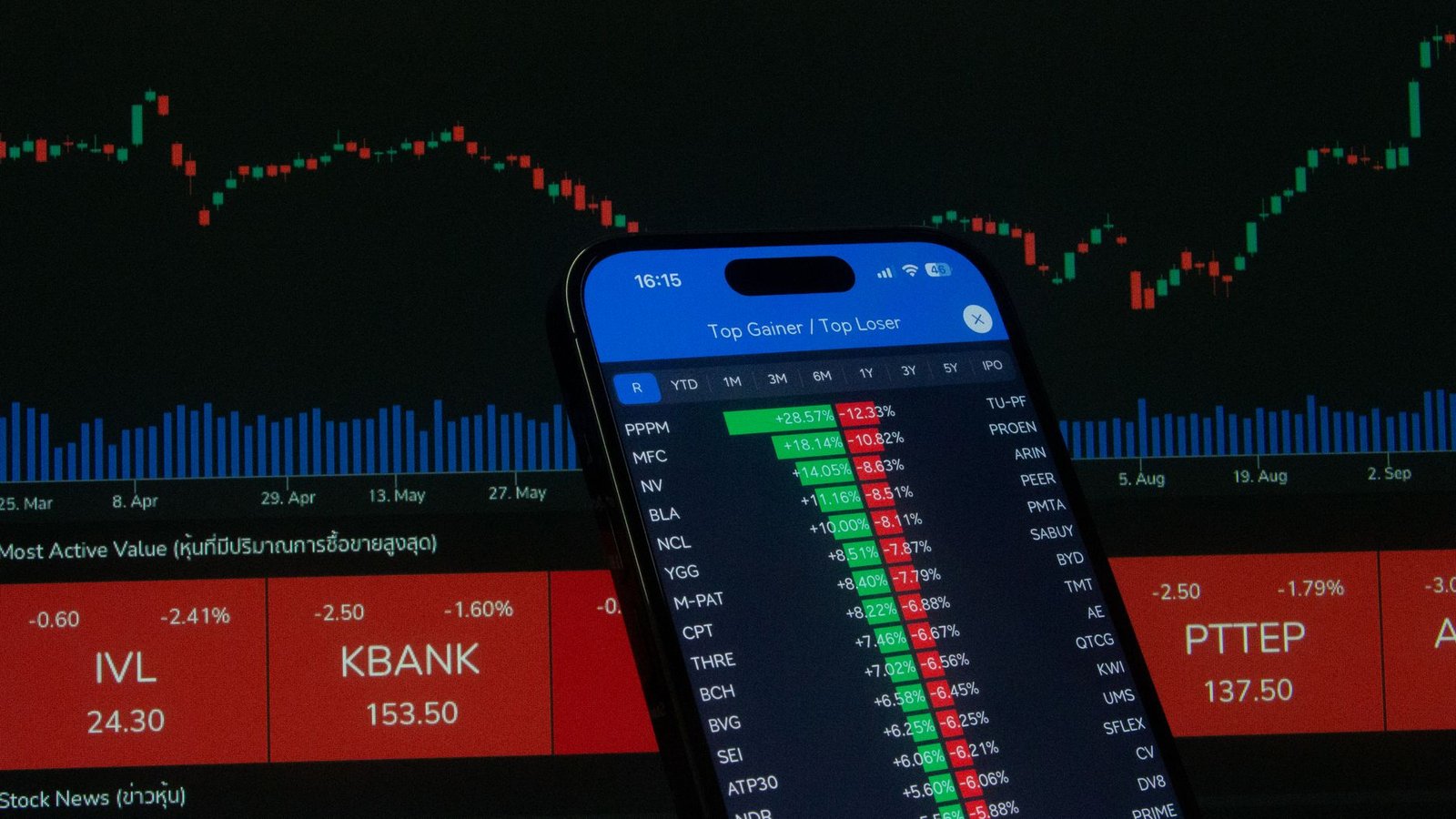
U.S. stocks dropped sharply in recent trading after the 10-year Treasury yield crossed the 5% threshold, a level that tends to raise borrowing costs across the economy and weigh heavily on equities.
The Dow Jones Industrial Average shed roughly 500 points as investors reacted to a significant move in the bond market — the 10-year U.S. Treasury yield rising above 5%. That level is closely watched because it signals that the government must pay more to borrow money, and those higher rates ripple outward into mortgages, corporate loans, and consumer credit.
When Treasury yields rise sharply, stocks often fall. The reason is straightforward: bonds become more attractive compared with stocks when they offer higher returns, so money tends to flow out of equities and into fixed income. Higher yields also increase the cost of doing business for companies that rely on borrowed money, which can reduce future profits and drag on stock valuations.
The 5% mark on the 10-year yield is psychologically significant. It had not been a sustained reality for investors in many years, and its return tends to prompt a reassessment of risk across portfolios. Stocks that are priced on the expectation of strong future earnings — particularly technology and growth-oriented companies — are especially sensitive to this kind of rate move, because higher yields make those distant future profits worth less in today’s dollars.
The move also reflects ongoing uncertainty about the Federal Reserve’s path. If the bond market is pushing yields higher on its own, it suggests investors may believe inflation remains stubborn or that the supply of government debt is outpacing demand. Either scenario complicates the Fed’s ability to guide rates lower without reigniting price pressures.
Broader market indexes followed the Dow lower, and the sell-off touched multiple sectors. Consumer spending, housing, and business investment are all sensitive to the cost of borrowing, so sustained elevated yields would be felt well beyond Wall Street.
Whether the 10-year yield holds above 5% — and for how long — will be a key signal for markets and the broader economy in the weeks ahead.