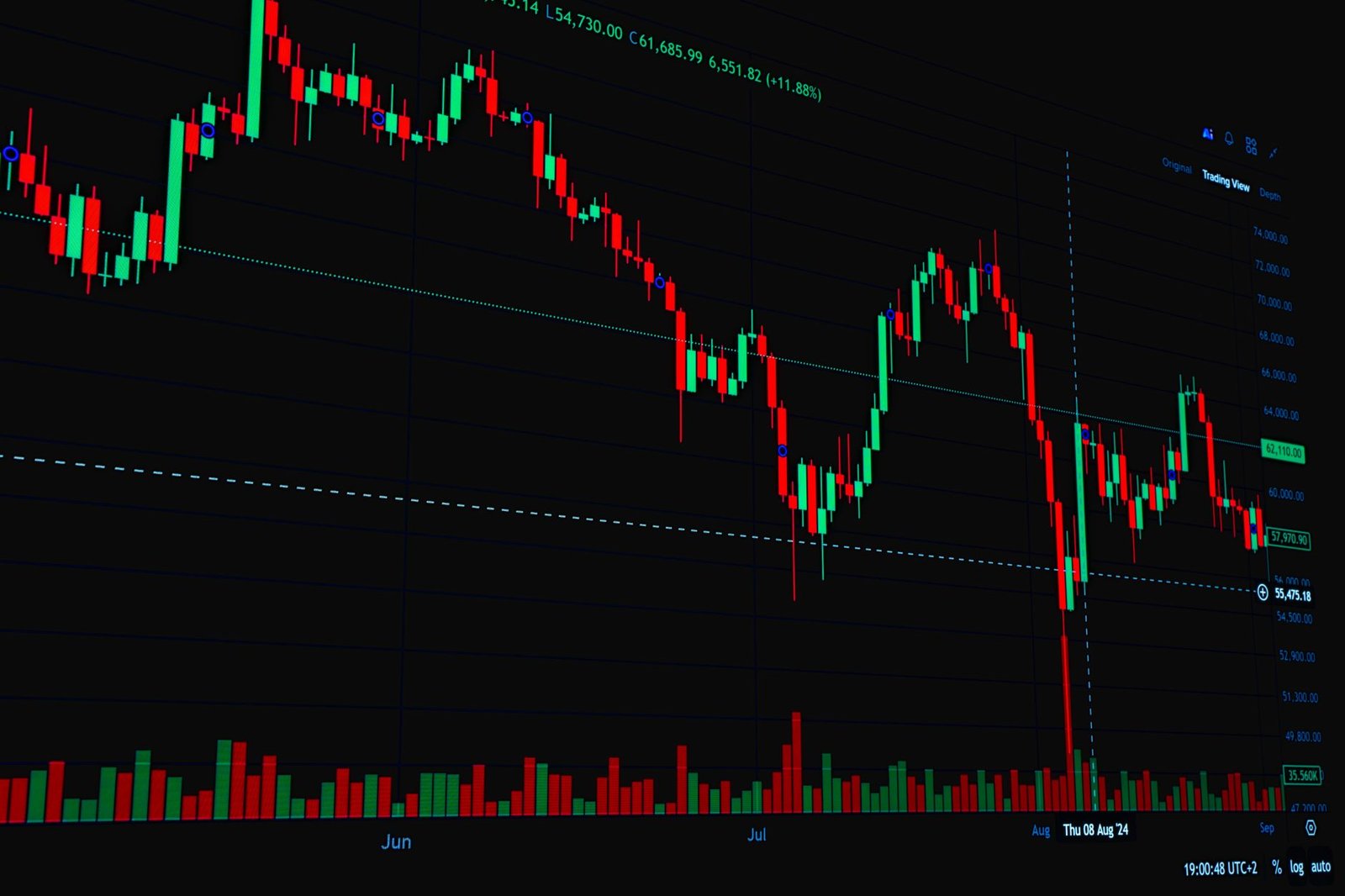
The Dow Jones Industrial Average settled at 53,414.25 in recent trading, continuing to hold ground at historically elevated levels as investors weigh the outlook for interest rates and the broader economy.
The Dow Jones Industrial Average, the century-old benchmark of 30 large U.S. companies, closed at 53,414.25 in the latest session. The index remains one of the most widely watched gauges of Wall Street’s health, tracking household names across industries from finance and healthcare to technology and consumer goods.
Markets have been navigating a complex backdrop in recent months. The Federal Reserve’s path on interest rates remains a central concern for investors. When rates are high, borrowing costs rise for businesses and consumers alike, which can weigh on corporate profits and slow economic activity. Any signal that the Fed may ease policy tends to lift stocks, while signs of persistent inflation or a stubborn labor market can push the other way.
The Dow’s current level reflects resilience in the face of those pressures. A close above 53,000 would have seemed ambitious not long ago, and the index’s sustained altitude suggests investor confidence has held up — though conditions can shift quickly depending on incoming economic data.
Traders are closely watching upcoming reports on inflation and employment for clues about where the Fed heads next. The bond market, where yields move inversely to prices, also feeds into stock valuations. When Treasury yields rise, they offer investors a competing return to equities, which can make stocks look less attractive by comparison.
For everyday investors, the Dow’s closing level is a headline number, but the underlying drivers — corporate earnings, consumer spending, and central bank policy — tell a fuller story about where the economy stands and where markets may be headed.
Upcoming inflation and jobs data are likely to set the tone for markets in the sessions ahead.