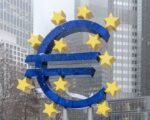
The European Central Bank lifted its key interest rates by 25 basis points, pressing ahead with its effort to bring stubborn, energy-driven inflation back under control across the eurozone.
The European Central Bank moved to tighten monetary policy again, raising its benchmark interest rates by a quarter of a percentage point. The decision signals that policymakers in Frankfurt remain concerned that energy costs are keeping price pressures too high for comfort, even as the broader global fight against inflation has shown signs of progress.
Energy prices have been a persistent driver of inflation across Europe, where households and businesses have faced elevated utility and fuel costs linked to supply disruptions and geopolitical pressures. When energy costs stay high for an extended period, they tend to bleed into the prices of goods and services more broadly — a process economists call second-round effects — making it harder for central banks to declare victory on inflation.
By raising rates, the ECB makes borrowing more expensive throughout the eurozone economy. The aim is to slow spending and investment enough to reduce upward pressure on prices. The risk, as always, is that tighter financial conditions also weigh on economic growth, which has already been fragile across much of Europe.
The ECB’s move will be watched closely by global bond and currency markets. Rate increases from a major central bank typically support that currency — in this case the euro — and can push government bond yields higher as investors recalibrate expectations for the interest-rate environment. European bank stocks and rate-sensitive sectors such as real estate often feel the impact quickly.
The decision also adds context to the broader picture of global monetary policy. Major central banks, including the U.S. Federal Reserve and the Bank of England, have been navigating similar trade-offs between fighting inflation and protecting economic growth. The ECB’s continued tightening suggests that at least some policymakers believe the inflation battle is not yet won.
The ECB’s next policy meeting and any updated economic forecasts will be key signals for whether this rate cycle is nearing its peak or has further to run.